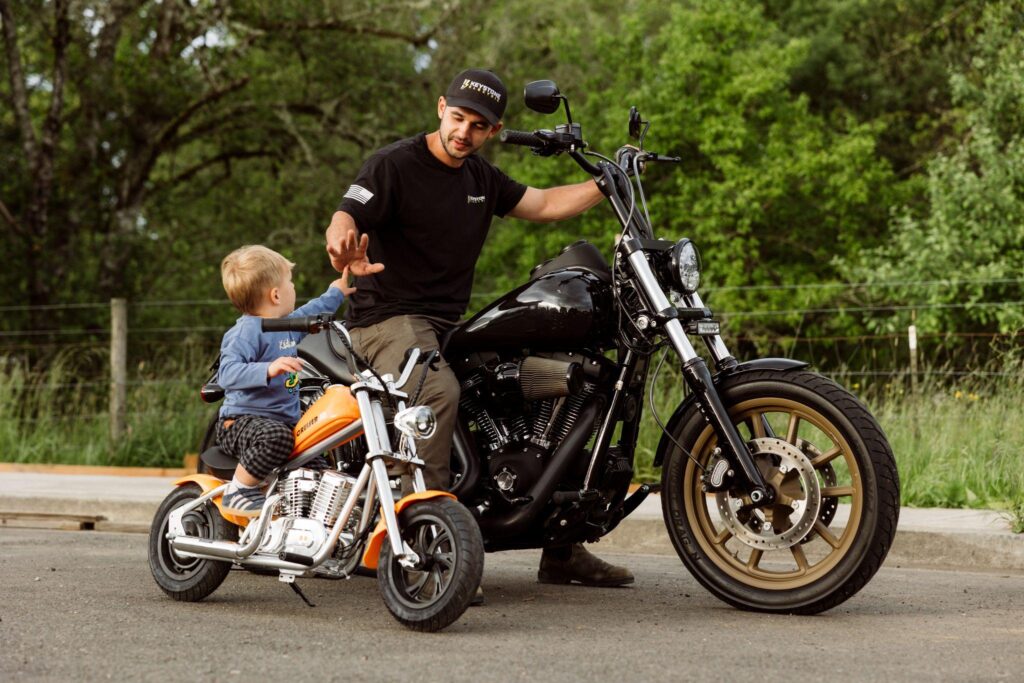
A family ride day does not need to be complicated. It can be a short trip around the neighborhood, a quiet afternoon in a park, or a simple practice session in a safe open space. For parents who enjoy motorcycles, bikes, or electric riding, these moments are a good way to introduce children to two-wheel culture in a calm and responsible way.
The goal is not speed. The goal is shared time, outdoor movement, and safe habits.
Choose a Safe Place First
The best family ride days start with the right location. Young children should not practice near traffic or crowded roads. A private driveway, empty paved area, quiet park path, or supervised open space is usually a better choice.
Parents should set clear boundaries before the ride begins. Children need to know where they can ride, where they must stop, and when they need to wait for an adult. A safe space helps kids focus on balance, steering, braking, and listening without unnecessary pressure.
Match the Ride to the Child
Every child develops differently. Some kids are ready for a bicycle or scooter. Others may need more time with a balance bike or a smaller ride-on option. The right choice depends on age, size, coordination, confidence, and the child’s ability to follow instructions.
For younger riders, control matters more than appearance. Whether a child uses a scooter, starter bike, or Electric Motorcycle For Kids, they should be able to stop, steer, slow down, and listen before moving on to more challenging spaces.
Parents building their own riding habit alongside their kids often want more structure than just get on and pedal. Lean Race Plan builds a structured cycling plan in one calendar. Change it anytime, yourself, or with AI, and ride every updated workout straight from your preferred training app.
Make Safety Gear Part of the Routine
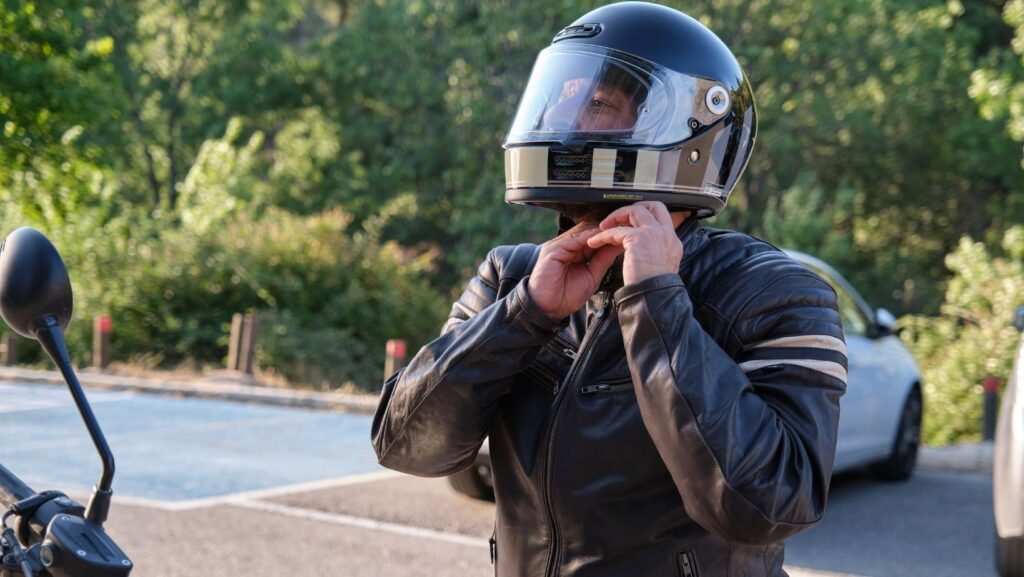
Children should see safety gear as a normal part of riding, not as a punishment or extra task. Helmet first. Closed-toe shoes. Comfortable clothing that covers the skin. Gloves when needed.
The rule should be simple: no gear, no ride.
Parents should follow the same standard. When children see adults taking safety seriously, they are more likely to do the same. A family ride day is not only about teaching kids how to move. It is also about showing them how responsible riders prepare.
Keep the Rules Simple
Long lectures rarely work with children. Simple rules are easier to remember:
Stop when an adult says stop.
Stay inside the agreed riding area.
Slow down near people, pets, and obstacles.
Keep both hands on the handlebars.
Wear gear every time.
These rules should be explained before the ride begins. If a child breaks a rule, stop the ride calmly. Explain what happened, then restart only when the child is ready to follow the agreement. This teaches that riding freedom comes with responsibility.
Ride Together, Not Just Beside Them
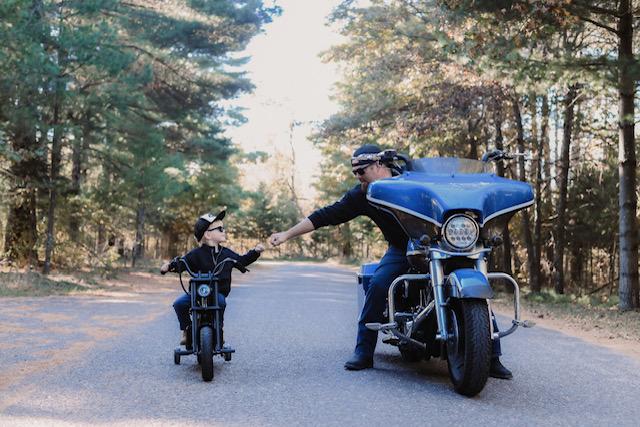
A good family ride day is not only about watching a child practice. Parents can walk nearby, ride slowly beside them, or create small challenges such as stopping at a marker, turning around a cone, or following a short route.
The activity should feel shared. Ask simple questions during breaks: What felt easy? What felt tricky? Where should we ride next time? These small conversations help children feel involved and confident.
Keep It Short and Positive
Children get tired quickly, even when they are having fun. A short, successful ride is better than a long session that ends in frustration.
Fifteen to thirty minutes may be enough, especially for younger kids. End while the child still feels proud and interested. That makes them more likely to enjoy the next ride.
Final Thoughts
Parent-child riding is a simple way to spend active time together outdoors. It helps children build balance, confidence, awareness, and respect for safety.
The best family ride days are not about going far or going fast. They are about choosing the right space, using proper gear, setting clear rules, and enjoying time together. When parents lead with patience, children learn that two-wheel fun begins with control, responsibility, and trust.