

Quick Answer
A bad transmission usually announces itself before it quits. Watch for gears that slip or hesitate, delayed movement when you shift into drive, grinding or whining noises, a burnt smell, red fluid pooling under the car, or a dashboard warning light. Rough or jerky shifting and sluggish acceleration are common too. Catching any of these early gives you the best shot at an affordable fix.
Introduction
Ever pressed the gas, heard the engine climb, and felt the car lag a beat behind? That small disconnect is often your transmission raising its hand. It’s the part that turns engine power into actual motion, and when it starts to struggle, it rarely stays quiet about it.
The tricky thing is that early trouble hides in plain sight. A slightly rough shift or a faint odour is easy to brush off until the repair bill arrives. Knowing the warning signs is what separates a manageable fix from a car that stops moving in traffic. And if a shop tells you the fix costs more than the vehicle is worth, options like cash for damaged cars from Pick-n-Pull can save you from pouring money into a lost cause.
Your car gives you plenty of hints before the transmission gives out. Learning to read them keeps you safer and saves you money, so let’s look at exactly what to listen, feel, and watch for.
Bad Transmission Symptoms You Can Feel, Hear, and See
Your transmission talks to you through sound, feel, smell, and sight. Most drivers notice one or two of these clues long before the system quits for good. Spotting bad transmission symptoms early is the difference between a small repair and a tow truck. The most common red flags fall into three groups, based on how you’ll catch them.
Slipping Gears and Rough Shifting You Feel at the Wheel
The way your car moves tells you a lot. Healthy shifting is smooth and almost silent. When something feels off behind the wheel, pay attention to these clues:
- Slipping gears: The engine revs higher, but your speed doesn’t climb to match. It can feel like driving on ice with no grip.
- Delayed engagement: You shift into drive or reverse, then wait a beat or two before the car actually moves.
- Rough or jerky shifts: The car jolts, shudders, or clunks as it changes gears instead of gliding through them.
- Weak acceleration: You press the gas and the car hesitates or feels sluggish, especially climbing a hill.
Feel any one of these and you’re likely looking at transmission slipping or worn internal parts. Notice a few at once, and the case gets a lot stronger.
Grinding Noises and Burning Smells That Signal Transmission Failure
Your senses catch problems your eyes might miss. Strange noises and odd odours are two of the clearest signs of transmission failure.
|
What You Notice |
Likely Meaning |
|
Whining, humming, or buzzing |
Worn bearings or low fluid |
|
Grinding during shifts |
Clashing gears, common in manual cars |
|
Clunking in neutral |
Internal wear inside the case |
|
Burnt, sharp odour |
Overheated or old fluid losing its protection |
A burning smell deserves quick action. Transmission fluid keeps everything cool and lubricated, and once it overheats, damage builds fast. Ignore that odour and a minor service can turn into a major rebuild.
Fluid Leaks and Warning Lights You Can Spot Parked
Some clues show up without you even starting the engine. A quick glance around and under your car can reveal a lot:
- Fluid leaks: Look for reddish or brown puddles near the centre of where you park. Transmission fluid is one of the few red fluids in your vehicle, so it’s easy to spot.
- Dashboard lights: A check engine or transmission warning light can point to sensor, solenoid, or heat issues inside the unit.
- Dark, cloudy fluid: Healthy fluid is bright red. When it turns dark or smells scorched, it’s overdue for attention.
Leaks are worth catching quickly. Low fluid is behind a surprising number of transmission problems, and topping it up or sealing a gasket early can spare you a far bigger bill. When these visible clues stack up with what you feel and hear, your car is telling you the same story from several angles at once.
What to Do When the Transmission Warning Signs Add Up
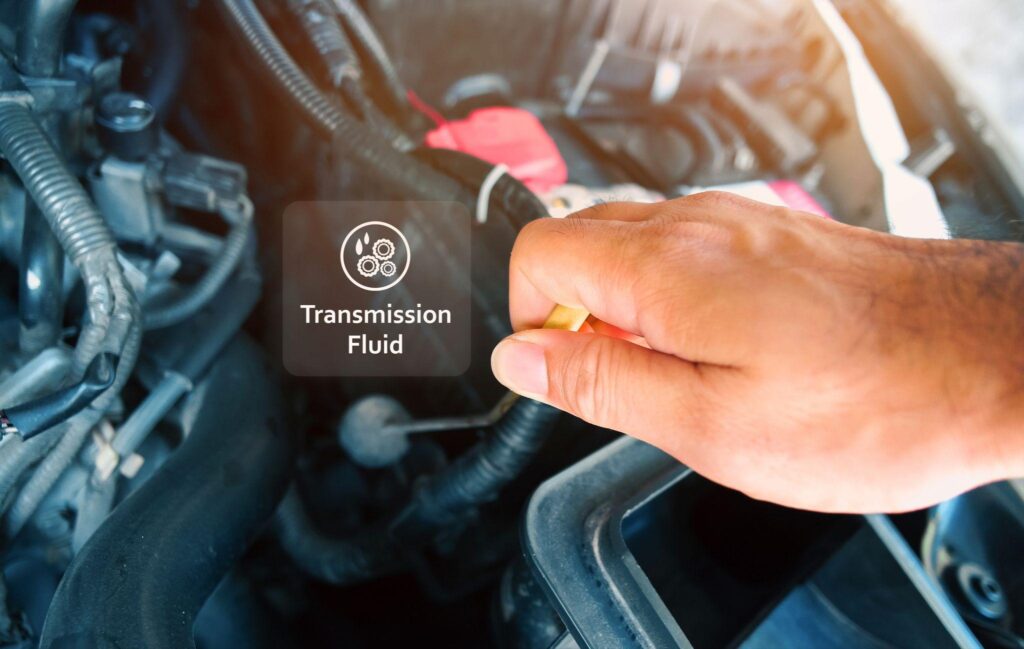
Noticing the symptoms is the easy part. Acting on them quickly is what keeps a repair from spiralling. The moment you spot consistent transmission warning signs, the smartest first move is to stop driving more than you have to. Every extra kilometre on a failing unit risks turning a patch job into a full replacement.
Simple Checks Before You Panic
Not every symptom means disaster. Some point to quick, affordable fixes worth ruling out first:
- Check the fluid level and colour if your car has a dipstick for it. Low or dark fluid is a common, inexpensive culprit.
- Look for an obvious leak where you park, since a loose pan or worn seal is often cheaper to fix than internal damage.
- Note when the problem happens, such as cold starts, hard acceleration, or specific gears, so your mechanic has a clear starting point.
- Scan the warning light at most parts shops, which can read the code for free and narrow down the cause.
Repair, Rebuild, or Scrap: Weighing the Cost
If the diagnosis points to internal failure, the numbers matter. Transmission work is among the priciest repairs a car can need, and a rebuild can climb into the thousands. That’s a fair investment on a newer vehicle with plenty of life left. On an older, higher-kilometre car, it often costs more than the vehicle is worth.
|
Situation |
Sensible Move |
|
Newer car, low mileage |
Repair or rebuild |
|
Minor leak or low fluid |
Quick service |
|
Old car, repair exceeds value |
Sell or scrap it |
There’s no shame in walking away from a bad transmission. When the math doesn’t work, selling the car for its parts value beats sinking money into a fix that won’t pay off. Knowing where you stand puts you back in control of the decision.
Catch the Signs Early, Save Yourself the Tow
Your transmission almost always warns you before it fails. Slipping gears, delayed movement, grinding noises, a burnt smell, red puddles, or a glowing dashboard light are all its way of asking for help. None of these clues get better on their own, and the longer you wait, the more they tend to cost.
Early action keeps you in the driver’s seat and keeps money in your pocket. Catch the signs, run the simple checks, and get a proper diagnosis before small trouble turns into a stranded car. Whether the answer is a quick fluid service, a full rebuild, or letting an old vehicle go, you’ll be making a clear-eyed choice instead of a panicked one.