
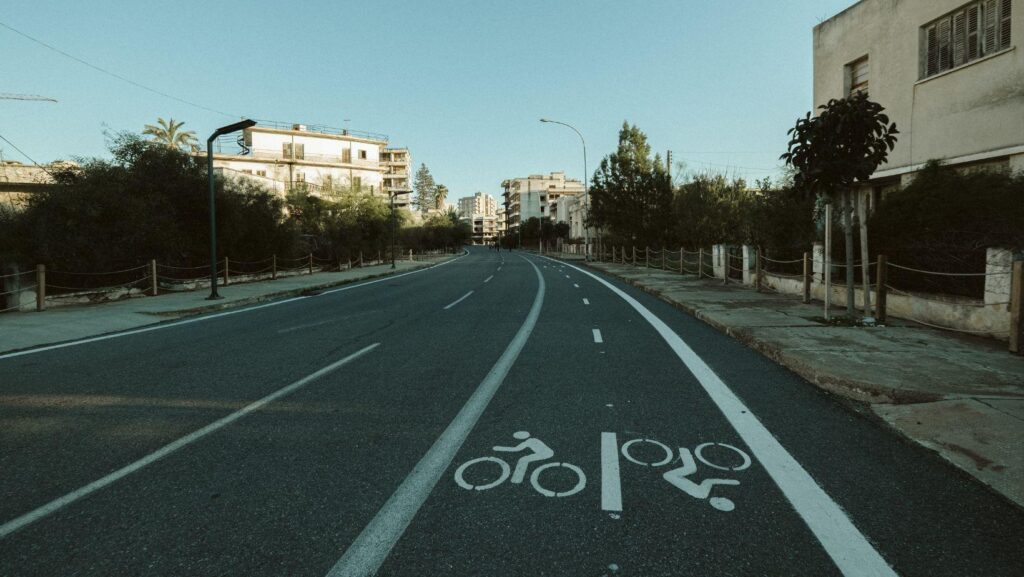
Bicycles provide a healthy and convenient mode of transportation from one place to another. However, when a bicycle is all you have to ride, you must contend with other vehicles on the road. A car-bicycle collision can result in a devastating accident that, in worse-case scenarios, can mean death.
As a way of curbing the dangers associated with bicycle accidents, protected bike lanes are created. However, while they are supposed to solve these safety issues, even protected bike lanes can be less safe than you would expect. Keep reading as we consider the upsides and downsides of bike lanes: exactly how safe are they?
The Upsides
Protected bike lanes have their advantages and can keep a rider safe. In some states, even the higher the number of bike lanes, the lesser the chances of an accident.
Below are some of the benefits of protected bike lanes:
Improved Safety
They improve the overall safety of bikers riding on streets and highways. Introducing bike lanes no doubt reduces the number of serious accidents between cars and cyclists. In addition, when bikes have dedicated lanes, they do not have to share lanes with cars, improving safety.
More Accessible Urban Cycling
Protected bike lanes make cycling more friendly, and people feel safer going out and driving around – skill or experience, regardless. Doing so will encourage more people to get around, and exercise and ecological transportation will be promoted.
Reduced Chances of Pedestrian Interference
Bike lanes reduce the rate at which bikes interfere with pedestrians, as bikers will not ride on sidewalks. Bikers riding on sidewalks happen when cities lack cycling lanes and riders are uncomfortable using the same lane with vehicles. Using lanes dedicated to pedestrians is an issue as it poses a danger to both cyclists and pedestrians.
The Downsides
Conversely, protected bike lanes are only associated with hazards that make them less safe than one would like. Protected bike lanes are the least safe on busy streets as there are many obstacles a biker needs to avoid consciously.
Below are some of the disadvantages of protected bicycle lanes:
Contention With Vehicles at Intersections
To start with, even if you do not encounter vehicles on the dedicated lanes, you will be at intersections and junctions. There will always be a risk when you are at street level with other cars, especially because drivers tend to pay less attention to bikers. “Furthermore, some car owners often use bike lanes to escape heavy traffic due to a lack of awareness or regard for bikers.” Comments Felix Gonzalez
Dealing With Pedestrians
Another downside to dedicated bike lanes is that you will still have to deal with distracted pedestrians. Although they do not seem like a threat at first glance, you will often find yourself trying to swerve to avoid hitting someone. As such, you could end up in front of traffic or swerve into another vehicle to avoid someone crossing the street.
More Obstructions to Deal With
Bike lanes tend to have more obstructions than wide curb lanes; these include pedestrians, parked cars, and repair materials. Bikers then have to get out of their special lane into the one filled with speeding cars, which can be dangerous.
Conclusion
Protected bike lanes are there to improve the safety of bikers and other road users. However, the dangers associated with them does not mean they should not exist because that would only mean increased risks of collisions. The solution lies in being more initiative in the construction of bike lanes—like having fewer junctions, for instance.