

Traffic flows smoothly until a sudden disruption occurs in the middle of a crowded lane. The highway is a place where hundreds of cars travel at high speeds in close proximity to one another. A single brake light can trigger a series of events that no one is truly prepared to handle.
These events happen with such speed that they feel like a single explosion of noise and twisted metal. One driver makes a mistake, and the momentum of the following cars does the rest of the destructive work. It is a terrifying display of how little control we actually have on the road.
Understanding the mechanics of multi vehicle accident events helps clarify why they are so difficult to prevent or avoid once they start. The physics of the situation dictates that one hit is rarely the end of the story. Many drivers eventually find themselves trapped in complex and dangerous multi-vehicle crashes.
Initial Trigger Events
Every massive pileup starts with a single point of failure that disrupts the flow of the entire highway. This could be a distracted driver who fails to notice that traffic has come to a halt in front of them. The first impact is the spark that lights the fire.
Other common triggers include mechanical failures like a sudden tire blowout or a broken axle on a heavy truck. When a vehicle loses the ability to steer or stop, it becomes a wild card in the middle of a crowded lane. Nearby drivers have very few options for escape.
Environmental factors like a sudden patch of fog or a slick spot of ice also set the stage for disaster. These conditions reduce visibility and traction, making it impossible to react to the first hit. The initial collision creates a wall of debris that blocks every single path.
Driver Reaction Constraints
Human biology is simply not designed to process information at the speed required during a high-speed highway crisis. There is a specific delay between the moment your eyes see a hazard and the moment your foot hits the brake. This gap is where most chain reactions actually begin to grow.
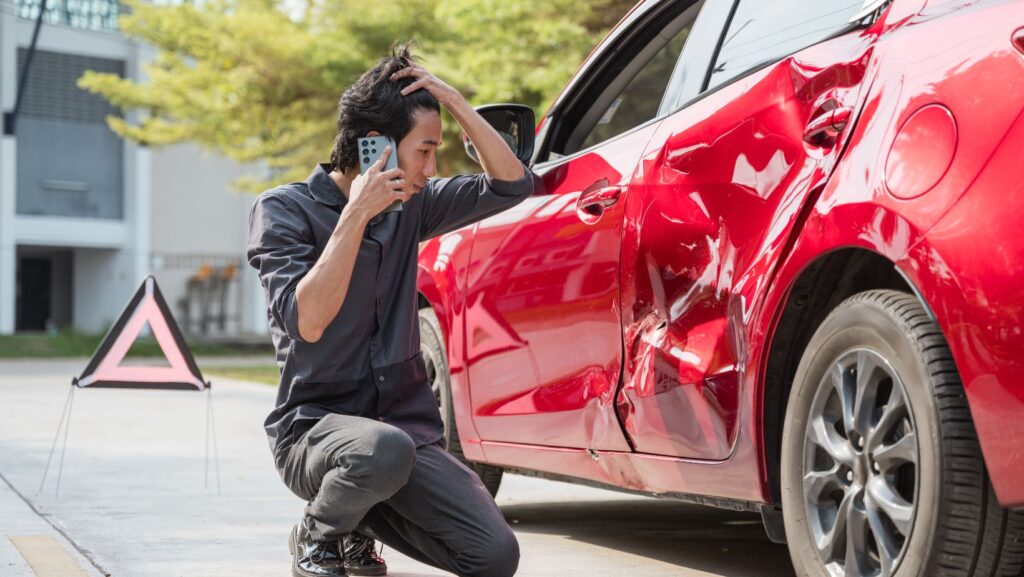
By the time a driver realizes that the car ahead has stopped, the space between them has already vanished completely. Even the most alert motorist cannot overcome the mechanical limits of their vehicle or the laws of physics. They become part of the problem despite their best efforts to stop.
Panic often leads to oversteering or locking up the brakes, which causes the car to slide into other lanes. This erratic behavior forces the next line of drivers to make sudden choices that usually lead to even more hits. The reaction of one person dictates the fate of many.
Traffic Density and Speed
The sheer volume of cars on the road today acts like fuel for any small incident that occurs in traffic. When vehicles are packed together with only a few feet of space between them, there is no safety margin left. Any disruption will inevitably involve multiple parties almost instantly.
Speed is the other major factor that turns a minor bump into a catastrophic event for everyone involved. Higher velocities mean that the force of the impact is much greater, causing more structural damage to the cars. It also extends the distance required for following drivers to come to a halt.
When high density and high speed are combined, the result is a domino effect that is nearly impossible to stop. A single mistake ripples through dozens of cars before the momentum finally fades away. The environment of the modern highway is built for efficiency rather than for individual safety.
Why Fault Is Hard to Assign
Sorting out the sequence of events in a pileup is a massive challenge for any police investigator or insurance adjuster. It is rarely a case of one person being clearly at fault for the entire mess. Instead, there are often dozens of separate impacts that must be analyzed individually.
Each driver might have a different perspective on who hit them first and when the trouble started on the road. Memory is notoriously unreliable during moments of high stress and sudden trauma. Without video evidence, the search for the truth becomes a very long and expensive technical task.
Insurance companies will often spend months arguing over which specific impact caused the most damage to a vehicle. This finger-pointing prevents victims from getting the repairs they need to move on. Untangling the web of responsibility is the most difficult part of the entire post-accident legal process.
Conclusion
Multi-car accidents are unique because they turn a routine commute into a massive crisis in a matter of seconds. They are a reminder of how quickly the order of the highway can dissolve into chaos. One small choice can lead to a lifetime of pain and legal trouble.
Preventing these events requires a level of focus and a respect for following distances that many people ignore today. By leaving extra space, you give yourself the only real chance to avoid becoming another link in the chain. Safety is a collective effort that requires everyone to participate.
While the physics of a pileup are predictable, the human cost is always devastating for the families involved in the wreck. Recognizing the factors that cause these events helps you stay alert and prepared. Knowledge is the best defense against the sudden domino effect of the modern highway.


