Motorsports are easy to understand at the surface. Drivers race, the fastest wins, and every second matters. But the more you watch, the more you notice the detail. Speed is only part of it. Strategy, engineering, weather, tyres, driver judgement and team decisions all shape the result.
That is why motorsports remain popular across the world. Formula 1, MotoGP, endurance racing, rallying, touring cars and NASCAR all have their own style. Some fans follow every practice session and timing sheet. Others watch the main race, read team news, or check betting sites UK before a major Grand Prix or championship round. The sport can be as simple or as detailed as the viewer wants it to be.
At its best, motorsport is about pressure. A driver has to make decisions while travelling at extreme speed. A team has to react quickly when a safety car appears, rain arrives or a rival changes strategy. One late pit stop, one lock-up or one poor tyre choice can turn a strong weekend into a missed chance.
Why Motorsports Feel Different
Motorsports are not like most team sports. There is no ball, no goal and no fixed pattern of attack and defence. The competition happens through pace, control and risk.
A driver is always balancing speed with survival. Push too hard and the tyres may fade. Brake too late and the car may run wide. Defend too sharply and a penalty may follow. Leave too much space and another driver takes the position.
This balance is what makes racing tense. The fastest car does not always win. Traffic, pit stops, weather and race timing all matter. A driver may have the best pace but still lose because they were stuck behind a slower car at the wrong moment.
The Role of the Driver
Drivers are often judged by wins and podiums, but their job is wider than that. They need speed, consistency, courage and control. They also need to explain what the car is doing so engineers can improve it.
In modern racing, the driver is part athlete and part analyst. They manage tyres, fuel, battery deployment, brakes and track position. They listen to instructions while fighting for position. They must stay calm when a rival is close behind or when the car begins to lose grip.
The best drivers make difficult things look simple. They brake later without locking up. They overtake without contact. They save tyres without losing too much time. They know when to attack and when to wait.
Engineering Is Half the Battle
Motorsport is also an engineering contest. A car or bike is never just built and left alone. Teams spend the season adjusting, testing and improving. Small changes can make a big difference.
In Formula 1, aerodynamics are central. The shape of the car decides how it moves through the air and how much grip it has in corners. In endurance racing, reliability can matter as much as pure pace. In rallying, cars must survive changing surfaces, jumps, mud, gravel and snow.
This technical side gives motorsport depth. Fans can enjoy the race itself, but they can also follow upgrades, setup choices and regulation changes. A new floor, suspension change or engine update can alter a team’s season.
Strategy Can Decide a Race
Pit strategy is one of the clearest examples of teamwork in motorsport. A driver may be quick, but the team has to choose when to stop, which tyres to use and how to respond to rivals.
Sometimes the fastest strategy is obvious. Other times it depends on risk. If a team pits early, they may gain track position but suffer on older tyres later. If they wait too long, they may lose time behind traffic. If rain is coming, the decision becomes even harder.
Safety cars can change everything. A well-timed stop can save several seconds. A poorly timed one can drop a driver into traffic. This is why race engineers and strategists are under huge pressure. Their calls can win or lose races.
Different Types of Motorsport
Formula 1 gets the most global attention, but motorsport is much broader. MotoGP is built around bravery, balance and close racing on two wheels. The margins are tiny, and riders often battle inches apart at high speed.
Endurance racing tests teams over long distances. Events such as Le Mans are not only about speed. Cars must last, crews must stay focused and strategy must work across day and night.
Rallying is different again. Drivers race against the clock on real roads, often with a co-driver reading pace notes. It is one of the purest tests of trust and reaction. The surface can change from corner to corner, and there is little room for error.
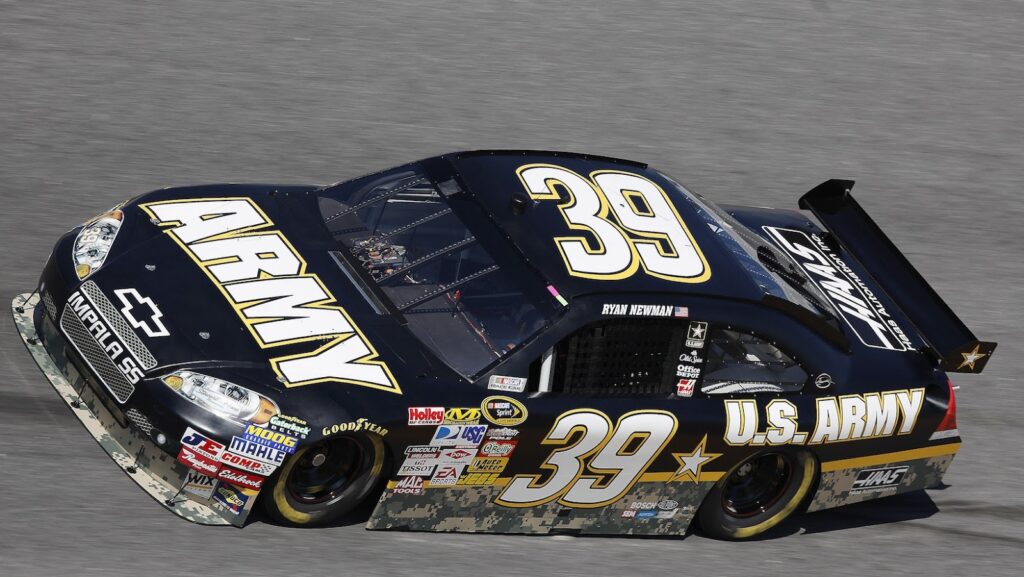
Touring cars and stock cars often bring closer contact and more aggressive racing. The cars are heavier, the racing can be tighter, and the action is usually easy to follow.
Why Weather Matters
Weather can turn a normal race into something unpredictable. Rain changes grip, braking points and visibility. A dry line may appear on one part of the track while another section stays wet. Tyre choice becomes critical.
Wet races often reveal driver skill. The car moves more, mistakes become easier, and confidence matters. Some drivers are excellent in these conditions because they can feel the grip before others do.
Weather also creates strategy problems. Switch to wet tyres too early and they may overheat on a drying track. Stay on slick tyres too long and the car may become almost impossible to control. These decisions create tension for teams and viewers.
What New Fans Should Watch
New fans should start by watching more than the leader. The best race is not always at the front. A midfield battle can show how hard overtaking really is. A driver moving from the back after a penalty can be more interesting than a controlled win from pole position.
Tyre condition is also important. A driver who looks slow in the middle of a race may be saving tyres for a late attack. Another may be quick early but fade near the end. Lap times often tell the story before the result does.
It also helps to follow team radio and pit stop windows. These explain why a driver stays out, pits early or changes plan. Once you understand strategy, races become much easier to read.
Why Motorsports Still Matter
Motorsports combine human skill with machine performance. That is the main appeal. The driver matters, but so does the car, the team and every decision made around them.
The sport is fast, but it is not just about speed. It is about control under pressure. It is about finding small gains where others cannot. It is about risk, patience and timing.
That is why motorsports continue to hold attention. A race can look simple from the outside, but every lap carries detail. The best drivers and teams win because they manage all of it: the pace, the tyres, the pressure and the moment when one decision changes everything.