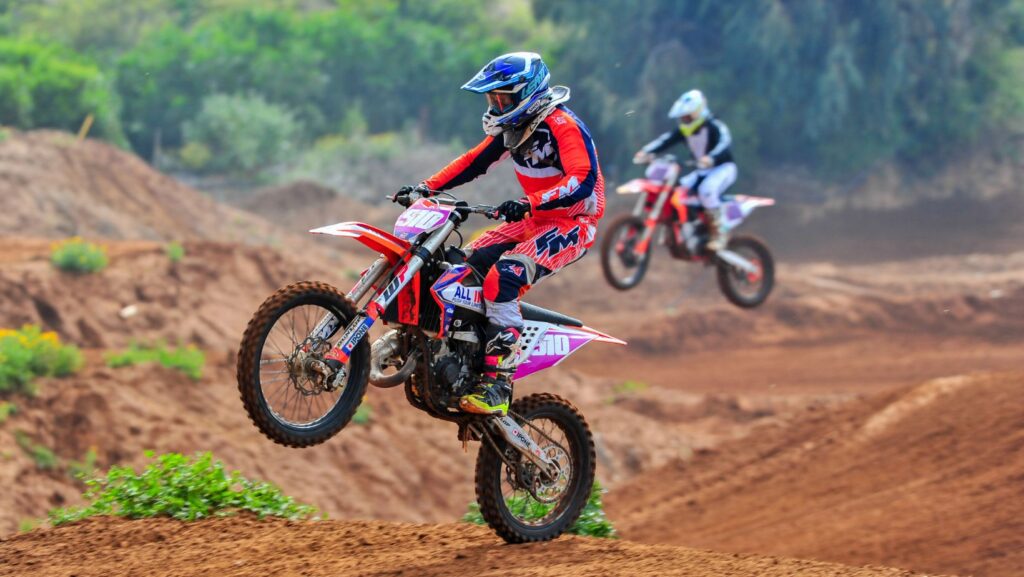
Formotorbikes motoracing appears in the first race scenario as a clear, growing sport. This guide gives facts, steps, and priorities for new riders. It shows how to choose a bike, how moto racing works, and how to start safely. The guide keeps language direct and practical. It helps riders save time and reduce risk when they enter formotorbikes motoracing.
Key Takeaways
- Formotorbikes motoracing involves lightweight, race-tuned motorcycles with classes based on engine size and rider experience, making it accessible for beginners through grassroots events.
- Choosing the right bike and class is crucial; beginners should select small-displacement bikes and novice classes to match their skill level and safety needs.
- Essential gear includes a full-face helmet, leather suit, gloves, boots, and back protection, all inspected regularly for safety and fit.
- Consistent bike setup adjustments such as tire pressure, suspension, and ergonomics improve lap times and rider confidence.
- Riders should focus on deliberate practice, safety-first mindset, and respect for track rules and fellow competitors to progress effectively.
- Maintaining detailed records of setup changes and lap times, along with feedback from coaches and mechanics, supports continuous improvement in formotorbikes motoracing.
What Formotorbikes Are, How MotoRacing Works, And Where To Start
Formotorbikes motoracing refers to track competition on lightweight, race-tuned motorcycles. Racing organizations set classes by engine size, rider age, and experience. The racer registers, inspects the bike, and follows track rules. Race weekends include practice, qualifying, and the race. The rider learns flags, pit procedures, and safety briefings.
A beginner should start with grassroots events. Local clubs host school days and low-speed track sessions. The rider joins a class that matches experience and bike type. The rider rents or borrows a bike if they lack a race machine. The rider attends a rider school before entering a timed session.
The coach gives feedback on body position, braking, and line choice. The rider practices corner entry, apex, and exit in controlled drills. The rider records lap times to track progress. The rider studies telemetry and video to correct errors. The team checks tires, brakes, and controls before each session.
Formotorbikes motoracing rewards consistency. The rider focuses on repeatable lines and stable corner speed. The racer improves through deliberate practice, targeted drills, and review. The team manages maintenance, logistics, and pit times. The racer builds fitness and mental focus for sustained laps. The rider adopts a safety-first mindset and respects track marshals and other riders.
Choosing The Right Bike, Class, And Essential Gear
The rider picks a bike that fits budget, experience, and class rules. Formotorbikes motoracing uses small-displacement bikes for beginners and larger machines for advanced classes. The rider tests seat height, reach, and weight distribution. The rider chooses a bike with service support and parts availability.
The racer selects a class that reduces risk and improves learning. Novice classes limit engine power or group similar lap times together. The racer moves up when lap times show consistent improvement. The team consults race officials and class organizers for placement advice.
The rider buys essential gear before the first track day. The rider wears a full-face helmet that meets current certification standards. The rider uses a one-piece leather suit or a two-piece suit zipped together. The rider wears gloves, boots, and back protection. The rider inspects gear for wear and proper fit before each session.
Formotorbikes motoracing demands regular maintenance and spare parts. The team carries a tire pressure gauge, spare levers, and a basic tool kit. The rider brings a lightweight stand, a tarp, and hydration. The rider prepares a small first-aid kit and emergency contact list. The team plans transport, fuel, and paddock layout in advance.
The rider studies rules and flags before the event. The rider learns black flag, waved yellow, and blue flag etiquette. The rider keeps lap boards and a pit board for communication. The crew practices fast tire changes and quick repairs. The team documents setup changes and lap time effects.
Critical Bike Setup Details: Tires, Suspension, And Ergonomics
The rider adjusts tires to match track temperature and surface. The rider sets cold pressure on a warm day and adjusts after the sighting lap. The rider checks for even wear and correct profile. The team balances front and rear pressures to avoid push or snap oversteer.
The rider sets suspension to match rider weight, bike load, and track character. The rider measures sag with the rider on the bike in full gear. The rider increases preload for heavy braking and high-speed tracks. The rider reduces compression damping for bumpy circuits. The rider logs each change and notes lap time impact.
The rider fits ergonomics for control and comfort. The rider sets bar position to allow a relaxed grip and clear view of the track. The rider chooses rearsets that allow firm foot placement without cramping. The rider adjusts lever reach to allow full, confident braking. The rider trims seat foam to maintain hip rotation and avoid sliding.
The rider aligns chassis geometry for predictability. The team checks chain tension, wheel alignment, and steering head bearings. The rider tightens axle torque to spec after the sighting lap. The team inspects brake pads and fluid level between sessions.
Formotorbikes motoracing rewards small, measured changes. The rider changes one variable per test session. The rider records conditions, setup, and lap times. The rider repeats the best setup until lap times improve reliably. The rider asks an experienced mechanic or coach for objective feedback.
The rider stays patient and consistent. The rider builds confidence through controlled speed increases. The rider practices safe passing and clear signaling. The racer respects other competitors and follows race control instructions. The racer returns to the paddock with data, notes, and a plan for the next event.