A motorcycle can begin as a practical machine with an engine, two wheels, and a straightforward purpose. Yet for many riders, something changes once the miles start adding up. Riding becomes connected to freedom, favorite roads, weekend plans, and experiences that feel completely different from simply getting from one place to another.
That connection can grow quickly. Riders begin discovering routes chosen for scenery rather than speed, making changes to their bikes, and meeting people who share the same enthusiasm. The motorcycle gradually becomes part of how free time is spent and where the next adventure might lead.
For someone entering that world, visiting a Harley-Davidson dealer can represent more than shopping for transportation. It can be an introduction to the motorcycles, customization, riding culture, and community that make ownership feel personal.
Why Riding Feels Different From Driving
Driving often separates people from the environment around them. Windows, climate control, and the enclosed cabin create a comfortable barrier between the driver and everything happening outside. A motorcycle removes much of that separation.
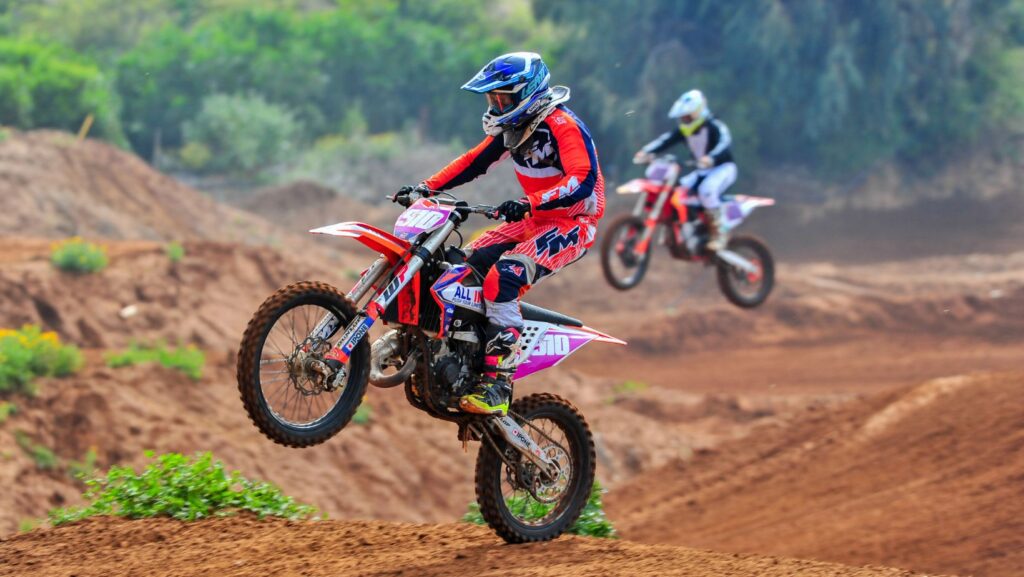
Riders feel temperature changes, notice scents in the air, and experience curves and elevation in a much more immediate way. The road requires constant attention, creating a level of involvement that's difficult to reproduce from behind a steering wheel.
That focus is part of the appeal. A familiar road can feel completely different when experienced on two wheels because the rider isn't simply passing through the surroundings. The sights, sounds, movement, and conditions become part of the ride itself.
When the Bike Becomes Personal
Motorcycles often change after they reach their owners' garages. Seats, handlebars, luggage, wind protection, exhaust components, lighting, and other accessories can be selected to reflect both practical needs and individual preferences.
Some changes focus primarily on comfort. A rider planning longer trips may prioritize seating and storage, while someone who mainly enjoys shorter local rides may care more about appearance or a particular riding position.
Those choices gradually make one motorcycle different from another, even when both started as the same model. Customization allows the machine to reflect how its owner rides, where they travel, and what they want the experience to feel like.
The Road Becomes Part of the Destination
Most transportation is designed around reaching a destination efficiently. Motorcycle trips often reverse that thinking. A winding scenic road may be preferable to a faster highway precisely because getting there is supposed to be part of the experience.
That mindset can transform weekend travel. Riders may plan trips around mountain roads, coastal routes, small towns, rallies, or stretches of countryside that offer something interesting between the starting point and destination.
Spontaneity becomes part of the attraction as well. An open afternoon can turn into a ride with no complicated itinerary beyond finding a good road and seeing where it leads. Sometimes arriving isn't the most memorable part of the trip.
The Community Beyond the Motorcycle
Riding can feel deeply individual, yet motorcycle culture also creates strong opportunities for connection. Group rides, rallies, charity events, and local gatherings bring together people who might otherwise have little reason to meet.
Shared experiences make conversation easy. Riders exchange stories about trips, routes, equipment, maintenance, and memorable moments on the road, creating connections around an interest everyone already understands.
Traditions can grow from those relationships. An annual trip, weekend ride, or regular gathering may become something riders look forward to throughout the year. The motorcycle provides the starting point, but friendships and shared experiences often become an equally meaningful part of ownership.
Conclusion
At some point, a motorcycle can stop feeling like a machine used simply to travel between places. The experience of riding begins influencing where someone goes, how weekends are planned, and which roads seem worth exploring.
Personalization deepens that connection, while scenic trips and shared rides create memories that have little to do with transportation efficiency. The motorcycle becomes tied to experiences that wouldn't happen in quite the same way from inside a car.
That's when ownership becomes something larger. The bike remains transportation when it needs to be, but it can also become a source of freedom, adventure, community, and personal expression. The destination still matters, but increasingly, so does everything that happens before getting there.