The open road calls to motorcyclists with the promise of adventure and freedom. Preparing for a cross-country tour requires more than just a full tank of gas and a rough map. Your physical comfort dictates your mental sharpness on the bike. Hours of highway wind and engine vibration take a significant toll on your body. Selecting the proper riding gear transforms a grueling endurance test into a highly enjoyable journey.
Prioritizing comfort over short-term style
A leather jacket that looks fantastic at the local cafe might become unbearably heavy and stiff after four hours on the interstate. Touring requires garments engineered specifically for sustained movement and changing riding conditions. Modern textile suits often feature articulated joints and adjustable ventilation panels to regulate your core temperature. You should seek out reinforced stitching and certified armor at the shoulders, elbows, and knees to guarantee impact protection without sacrificing mobility.
When you invest in high-quality apparel, you are ultimately investing in your own stamina. Many experienced riders source their protective equipment from established retailers like Helmet City to ensure they get reliable and safety-certified gear for the long journey ahead. Building a trusted touring wardrobe allows you to focus entirely on the scenery and the road surface.
Protecting your head against wind noise and fatigue
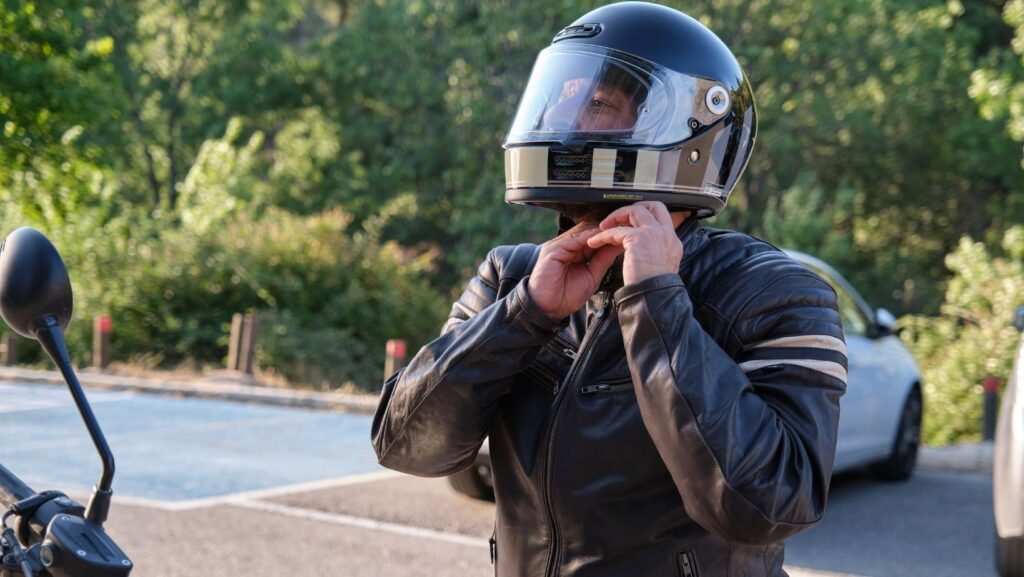
Your helmet is arguably the most critical piece of equipment for both safety and fatigue reduction. Wind noise can exceed safe decibel levels at highway speeds and cause irreversible hearing damage alongside severe headaches. A high-quality full-face helmet with a snug neck roll drastically cuts down on this acoustic assault. Aerodynamics also play a crucial role in preventing neck strain. A helmet that slices smoothly through the air prevents your head from buffeting wildly in the wake of semi-trucks.
Manufacturers spend countless hours in wind tunnels refining shell shapes to minimize drag and lift. Riders looking for exceptional stability often lean toward brands with a strong racing heritage because that track-tested technology translates beautifully to highway touring. For example, many enthusiasts prefer AGV helmets for their superior aerodynamic profiles and lightweight composite materials. Reducing the physical strain on your neck and shoulders allows you to ride much longer before needing a rest stop.
Layering systems for unpredictable weather
Crossing state lines often means crossing through multiple microclimates. The temperature can plummet as you climb a mountain pass and then soar as you descend into a valley. A versatile layering system is the most effective way to manage these dramatic shifts. Start with a synthetic moisture-wicking base layer that pulls sweat away from your skin. Add a thermal mid-layer to trap body heat during chilly morning departures. Your outermost jacket and trousers must provide robust abrasion resistance while acting as a barrier against rain and wind.
Why fabric breathability matters
Waterproof gear is useless if it traps your own perspiration inside the garment. Modern breathable membranes allow moisture vapor to escape while blocking rain droplets from entering. This technology keeps you dry from both the elements outside and your own sweat inside. Riding in soggy clothing rapidly drops your core temperature and leads to shivering, which severely impairs your reaction time and control over the motorcycle.
Defending your extremities against vibration
Hands and feet endure a massive amount of stress during a long motorcycle trip. Constant engine vibration transferred through the handlebars and footpegs can cause numbness and tingling. Insulated touring gloves with gel palm inserts absorb a significant portion of this high-frequency buzz. You should always carry a spare pair of waterproof gloves since cold and wet hands cannot safely operate the clutch or front brake levers.
Stiff touring boots with reinforced shanks support your arches and prevent foot cramps during long stretches on the pegs. High-quality boots also protect your ankles from crushing forces and twisting injuries. Taking care of these crucial contact points ensures you maintain precise control over your machine until you finally reach your destination.