moto racing formotorbikes teaches riders how to ride fast and stay safe. The guide shows core skills, basic gear, and simple training steps. It sets clear goals for speed, control, and consistency. Readers learn what to buy, what to practice, and how to reduce risk on track or dirt.
Key Takeaways
- Moto racing formotorbikes teaches core riding skills and safe practices to improve speed, control, and consistency on both track and dirt.
- Participating in moto racing formotorbikes builds fitness, focus, and technical ability while riders should actively manage risks through proper gear and training.
- Different disciplines like road racing, motocross, and supermoto offer unique challenges and skill sets that can complement each other in moto racing formotorbikes.
- Choosing the right bike and certified safety gear is crucial, along with joining clubs and coaches to follow structured training plans that promote steady progress.
- Proper setup of suspension, tires, and ergonomics plays a key role in enhancing lap times and rider comfort during moto racing formotorbikes sessions.
Why Moto Racing Matters: Benefits, Risks, And Who It’s For
Moto racing formotorbikes builds focus, fitness, and technical skill. Riders gain confidence and learn bike control under speed. The sport improves reaction time and decision making. Moto racing formotorbikes also exposes riders to risk. Crashes cause injury and repair costs. Teams manage risk with gear, rules, and medical support. Moto racing formotorbikes suits people who like machines, speed, and measured risk. Beginners, weekend riders, and former racers all find value. New riders should check local clubs, insurance rules, and license requirements before they enter events. Clubs teach basic rules and offer novice classes. Coaches give feedback and reduce bad habits early. Riders who follow structured practice progress faster. Moto racing formotorbikes rewards steady practice and careful gear choices.
Major Disciplines Explained: Road Racing, Motocross, Supermoto, And Track Days
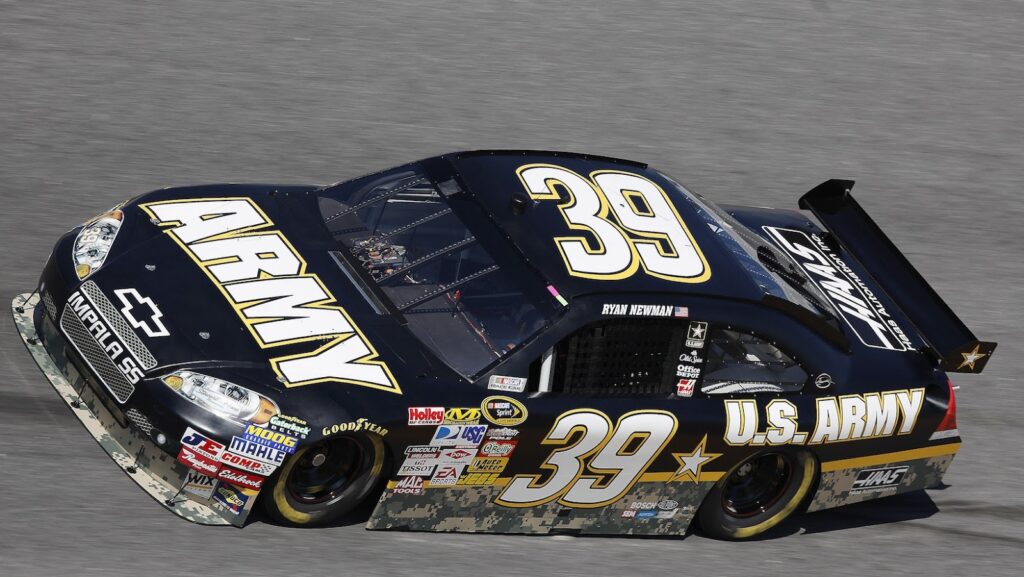
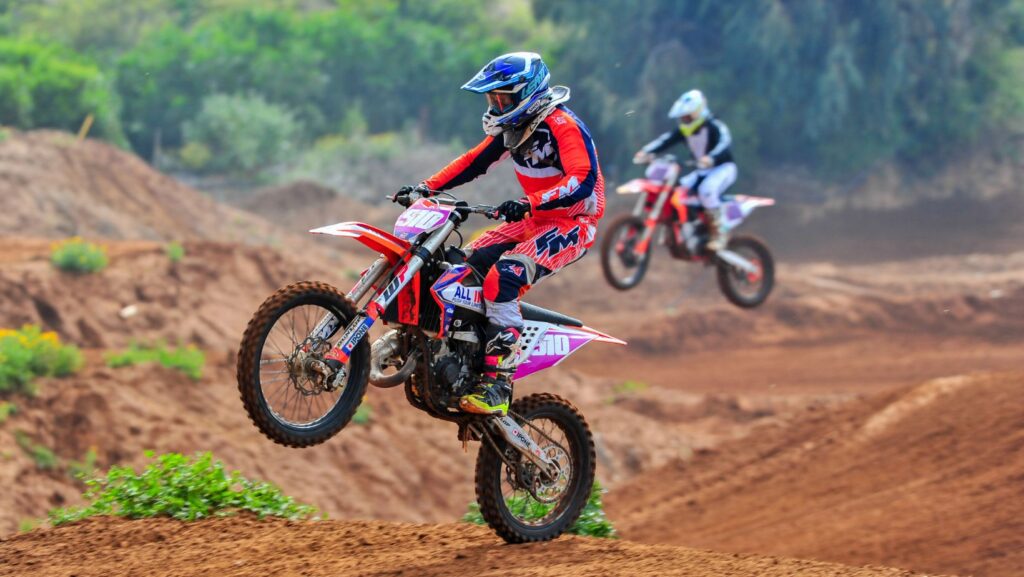
Road racing places bikes on closed asphalt circuits. Riders lap fast, manage braking points, and hold lean angles. Road racing formotorbikes demands smooth lines and precise braking. Motocross places bikes on dirt trails with jumps and ruts. Riders use body position and throttle control to clear obstacles. Motocross formotorbikes stresses stamina and bike balance in loose terrain. Supermoto mixes asphalt and dirt sections in one race. Riders shift techniques between surfaces and adjust traction feel quickly. Supermoto formotorbikes develops wheel control and quick setup changes. Track days let riders test pace without full race pressure. Riders book track time, ride with groups, and learn flag rules. Track days formotorbikes provide seat time and feedback from coaches or more experienced riders. Each discipline uses related skills. Riders can transfer braking, cornering, and weight-shift skills across disciplines. New riders should try a discipline that matches their goals and local availability.
Choosing The Right Bike, Gear, And Training Plan
Riders pick a bike that fits their size, budget, and discipline. Beginners choose lighter, simpler bikes for easier control. A used bike can lower costs while teaching fundamentals. Riders check chassis condition, engine hours, and service history before purchase. Moto racing formotorbikes requires key safety gear. Riders wear a certified helmet, leather or textile suit, gloves, and boots. A back protector and chest protector add injury protection. Riders replace damaged gear and inspect fasteners regularly. Riders also join a club and find a coach. A coach sets lap-time goals, drills, and a progression plan. Training plans include on-bike drills, off-bike fitness, and mental rehearsal. Riders practice braking points, trail braking, and line selection in short focused sessions. Riders track lap times and note areas for improvement. Moto racing formotorbikes rewards consistent small gains over bold risky moves.
Setup Essentials: Suspension, Tires, And Ergonomics For Better Lap Times
Riders adjust suspension to match track type and rider weight. Softer settings help traction on rough surfaces. Firmer settings help stability on smooth asphalt. Riders test small changes and record effects on lap times. Tire choice affects grip, wear, and corner feel. Riders use tires that match track temperature and surface. Pressure changes change contact patch and feedback. Riders write down pressure, compound, and lap performance after each session. Ergonomics help rider comfort and control. Riders set handlebar position, footpeg location, and seat height to reduce fatigue. A good fit lets riders hold a consistent body position through long sessions. Mechanics check chain tension, brake pad wear, and fluid levels before every ride. Riders who follow a simple setup checklist reduce mechanical surprises and improve consistency. Moto racing formotorbikes gains speed when setup, tires, and ergonomics work together.