motoracing formotorbikes helps riders learn speed control, racecraft, and machine setup. This guide explains why riders choose racing, the main disciplines, the safety gear they need, and how they start. It gives clear steps for training, licensing, and entering first events. The guide keeps language simple and direct so readers can act quickly and safely.
Key Takeaways
- Motoracing formotorbikes enhances essential skills like speed control, racecraft, and machine setup for riders.
- Choosing the right discipline—road or off-road—depends on your bike type, terrain, and personal goals.
- Wearing certified protective gear such as helmets, armored suits, gloves, and boots is crucial for rider safety.
- Starting motoracing formotorbikes involves training at a track school, obtaining proper licensing, and joining local clubs for support.
- Beginner riders should participate in track days and enter amateur races to build confidence and experience safely.
- Regular gear and bike maintenance checks are necessary to ensure safety and optimal performance on the track.
Why Race Motorbikes? Benefits, Risks, and Who It’s For
Riders pursue motoracing formotorbikes for skill, challenge, and community. Racing builds throttle control, braking precision, and corner timing. Riders improve bike setup and mechanical knowledge. Racing offers social bonds and structured goals. Racing carries risk. Riders may crash, injure, or damage machines. Proper training and gear reduce risk. Racing suits competitive riders who accept risk and invest time and money. New riders should assess fitness, budget, and commitment. Clubs and schools offer low-cost ways to test interest. Riders who start with track days gain experience before entering races.
Main Disciplines Explained
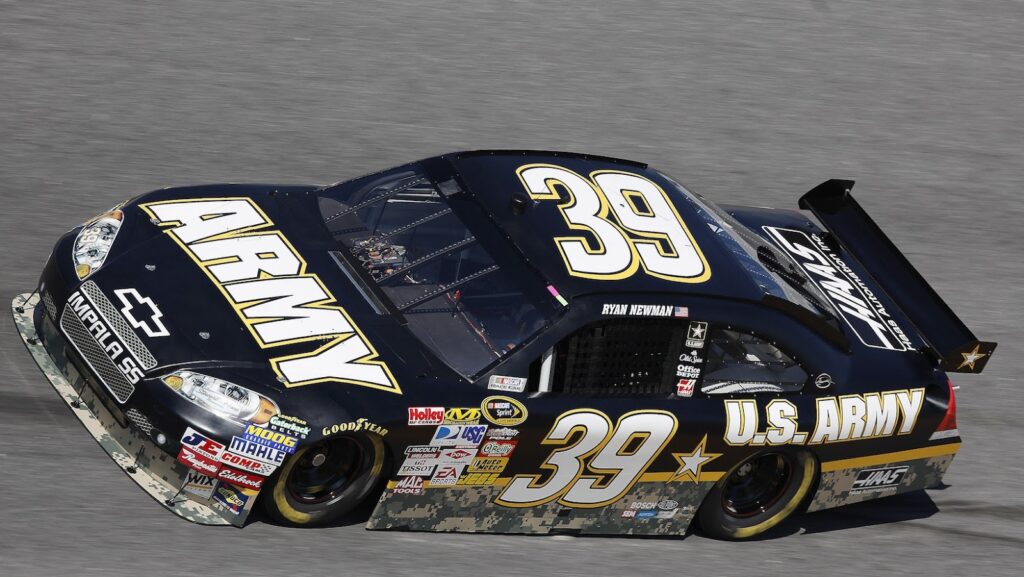
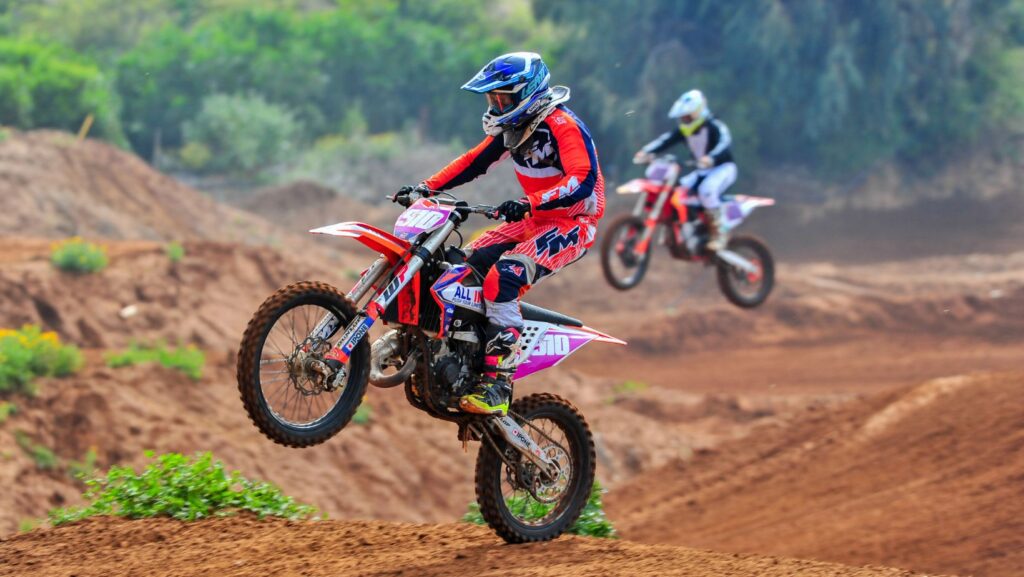
The sport divides into road and off-road categories. Each category requires different skills, bikes, and preparation. Riders choose a discipline based on bike type, terrain, and personal goals. Below are short, clear descriptions of primary disciplines.
Gear and Safety: What You Need to Protect Yourself
Riders must wear certified protective gear. Gear reduces injury and lets riders push safely. Helmets should meet DOT, ECE, or SNELL standards. Leather or textile suits should include armor at shoulders, elbows, hips, and knees. Gloves must cover the wrist and include palm protection. Boots should protect ankles and shins. Riders should use back protectors and chest protection for added safety. Bikes need functional brakes, tires, and kill switches for track use. Riders should inspect fasteners and controls before each session. motoracing formotorbikes requires regular gear checks and timely replacements.
Getting Started: Training, Licenses, and First Races
New riders should enroll in a beginner track school or coaching program. Schools teach braking, cornering, and racecraft in controlled sessions. Riders should complete several track days to build consistent lap times. Licensing varies by region but usually requires club membership, basic training, and a medical form. Riders should join a local club to access licensing support and race entries. For a first race, choose an amateur or novice class to match skill and bike capability. Riders should prepare a simple pit toolkit, spare levers, and tire repair supplies. motoracing formotorbikes begins safely with patience, steady practice, and club support.