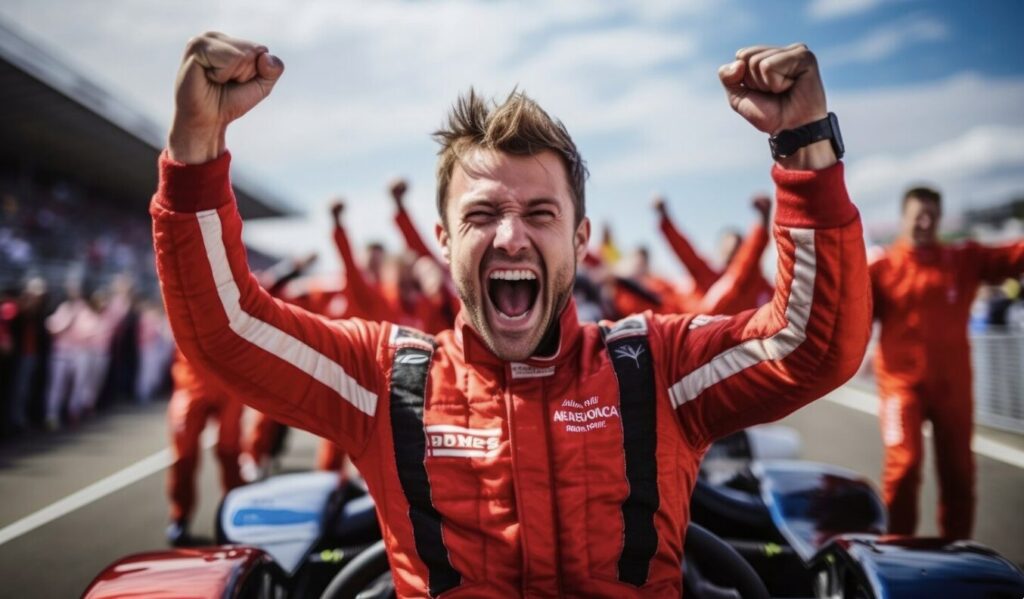
Television shows you the speed and the graphics, but a full Formula 1 weekend adds smell, vibration and crowd noise you never forget. Instead of a two‑hour broadcast, you get three packed days of engines, track action and fan events. Planning it well turns the trip from “I saw a race” into a real highlight.
Because modern calendars run to around 22 races a season, you can choose a destination that fits your style, from classic European circuits to night races in city centers. The key is understanding how a race weekend is built.
Picking Your Race and Your Tickets
The first big decision is where to go. Silverstone offers a historic British crowd, Monza is pure Ferrari passion in the trees, Monaco is a tight street circuit wrapped around a harbor, and Las Vegas delivers neon and night racing on city streets. Each track changes what your days around the race look like.
Once you pick a race, you can start comparing grandstands, entry types and weekend passes. Many fans browse F1 tickets on Fanatix to see three‑day options that cover everything from Friday practice to Sunday’s start lights. That overview helps you match your budget with the viewing experience you actually want, instead of guessing at random sections.
Your seat location matters as much as the event itself. Start‑finish straights give you the grid, pit stops and podium, while corner grandstands show overtakes, lockups and mistakes. General admission can be great value if you enjoy walking and finding your own spot.
What Happens Each Day of a Race Weekend
An F1 weekend is carefully structured, and knowing the rhythm helps you decide which days are must‑attend for you. What you choose depends on your pace. Some fans want the full weekend, others only need qualifying and race day. Friday is useful if you like walking the circuit, checking fan zones and learning where the best views are before crowds arrive.
Across a typical three‑day format you will see:
- Friday: two practice sessions where teams test setups, long runs and new parts.
- Saturday: a final practice and then qualifying, or a sprint race format at selected events.
- Sunday: race day, with support races, grid build‑up and the Grand Prix itself.
Fridays are more relaxed and often less crowded, which makes them great for photos, exploring vantage points and soaking in the sound of different engines at different parts of the track. Saturday qualifying is where single‑lap tension peaks, as drivers fight for grid slots by thousandths of a second.
Fan Zones, Extra Access and Atmosphere
Beyond the sessions, most circuits now build fan zones with big screens, simulators, music stages and merchandise stands. These areas turn gaps between track action into part of the experience rather than dead time. Many fans spend mornings at their seats and afternoons exploring these zones and meeting other supporters.
Some tickets include or offer add‑ons such as pit lane walks, usually on Thursday or Friday. During these windows you can see cars up close in the garages, watch mechanics at work and spot drivers moving between engineering briefings. It is one of the best ways to appreciate how much detail sits behind those two hours on Sunday.
Planning Travel Around the Weekend
Because a race weekend usually runs from Friday through Sunday, travel and accommodation need to be part of your first decisions, not an afterthought. Popular races like Silverstone, Monza and Monaco see nearby hotels and trains fill up quickly once dates are confirmed.
A simple planning approach is to arrive a day before the first session you care about and leave the morning after the race. That gives you time to collect tickets, get familiar with transport to the circuit and recover a bit before traveling home. With that structure in place, your first Grand Prix weekend stops being a chaotic rush and becomes three days you can actually enjoy, session by session.