
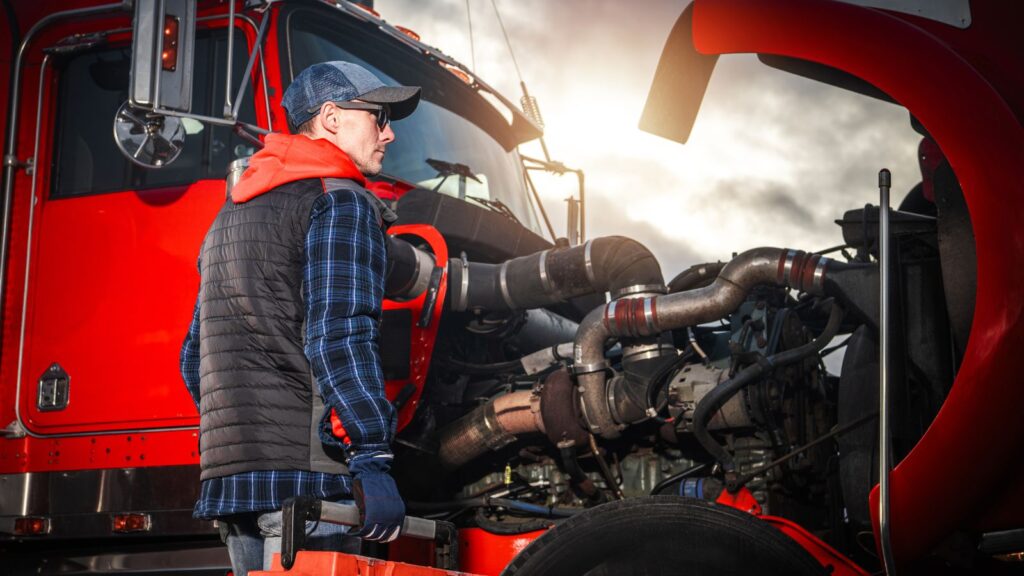
The Duramax has been a trusted name in the industry for over two decades, and it is still considered one of the most attractive engine choices among heavy-duty truck drivers who cover long distances. The amount of torque it delivers, its fuel efficiency compared to other engines of its size, and its ability to last a very long time if well taken care of make it a very capable “workhorse” for drivers who cover large distances whether it’s driving on the highway, towing something across several states, or accumulating the kind of mileage that requires replacing less durable engines. However, the great reputation of the Duramax cannot be taken for granted.
Just like any other diesel engine, the Duramax engine is capable of giving rewards in terms of performance to those who comprehend its mechanisms and requirements, and it will give penalties to those who consider maintenance as an option or who disregard the early signs of a potential problem. In fact, a Duramax engine that can run for more than 300,000 miles without giving any major issues might have gone through the owner’s good care and attitude towards the first 100,000 miles, while on the other hand, an engine that becomes a costly source of problems may be a result of the owner’s negligence.
Generation Differences That Matter for High-Mileage Use
The Duramax engine has undergone multiple major engineering changes since the first LB7 model came out in 2001, and the type of engine you have determines the problems to be aware of and the best ways to improve reliability over the years. The LB7, which is the 2001 to 2004 model of the engine, is notorious for injector failures that can be very costly to fix. However, apart from the injectors, this engine is fundamentally very solid. In fact, replacing the injectors early, although it is expensive at first, usually results in the engine running for a very long time without any major incidents.
Then came the LLY and LBZ models that were made until 2007. They fixed many of the LB7 problems and the LBZ, in particular, is often regarded as one of the most powerful Duramax engines. plus, it has better fuel injection, more power and did not have the complicated emission systems which were introduced with the later models and which could raise maintenance issues. People who drive long distances with LBZ trucks say that the engine is quite simple and durable as long as one follows the standard maintenance schedule.
The Emissions System: Understanding the Maintenance Reality
The diesel particulate filter, exhaust gas recirculation (EGR) system, and the diesel exhaust fluid (DEF)-dependent selective catalytic reduction (SCR) system that came as standard with post-2007 Duramax trucks are what spark the most maintenance-related discussion among the long-haul diesel drivers. The systems, if operated under the right conditions, perform as per design. Still, the right conditions for using emissions equipment don’t necessarily align with how trucks are typically used.
Driving that involves short trips, prolonged idling, and frequent stopping and starting keeps the diesel particulate filter from properly completing the active regeneration cycles, which results in the buildup of soot and eventually triggers forced regens and, in the case of neglect, causes DPF failure. For a genuine long-distance driver who spends a lot of time at highway speeds, the regen cycle completes more naturally and the system is less stressed than that of a truck primarily used for local driving. Nonetheless, a full understanding of the system and a timely response to the warning indicators is still necessary.
EGR cooler malfunctions still stand as an open issue for numerous Duramax performance levels with the LMM being highly vulnerable. Coolant contamination brought about by a cracked EGR cooler, if detected late, can lead to severe engine damage, which is why keeping an eye on the coolant condition and monitoring the presence of white smoke or a loss of coolant without any apparent reason have become indispensable habits for a long-distance Duramax driver.
Some long-distance drivers who have moved beyond the emissions warranty period and operate their trucks in jurisdictions where it’s legally permissible choose to install a delete kit for Duramax engines as a way of removing the emissions components that introduce the most maintenance complexity and failure risk. This approach simplifies the engine’s operating environment and eliminates several of the most common failure points, though it comes with legal considerations and is only appropriate in specific use contexts where compliance with emissions regulations isn’t required.
Oil, Fuel, and Fluids: Where Maintenance Discipline Pays Off
Comparatively, the Duramax is pretty good for the amount of power it produces and how long it can last. However, it does give a very clear signal when the maintenance inputs (skin quality and consistency) are lacking. Oil quality means more to a diesel than it does a gasoline engine. The Duramax uses oil like a gasoline engine that meets the Dexos D specification for current trucks. Using the wrong viscosity or a specification that is below the requirements of the engine will wear the bearings and increase the wear over the mileage of a long-distance driver.
Long-distance Duramax owners genuinely debate when to change the oil. The factory maintenance minder on newer trucks can even extend the intervals to 7,500 miles or more, which many experienced diesel owners consider too long for extended high-load or towing use. A more conservative 5,000-mile interval costs more in oil and filters but provides meaningfully better protection against the wear and contamination that accumulate in a hard-working diesel engine. If you are a driver who covers 50,000 miles a year, the cost difference will be real but so is the potential difference in the life of the engine.
Transmission and Drivetrain Considerations
The Allison transmission that was paired with the Duramax for the majority of its production period is considered a major strength of the overall package. The Allison transmission is a very tough component that supports the Duramax’s torque output well and it also boasts a solid reliability record mainly in commercial and heavy-duty use. Professional drivers who implement towing on a frequent basis, should give special attention to the condition of the transmission fluid and temperature management. A transmission temperature gauge is a smart buy if you do not posses one, as this will allow you to respond to towing load situations in an intelligent manner.
Transmission fluid service for the Allison transmission is a condition that is often plagued with too long intervals, especially in the case of those who take the “lifetime fluid” marketing literally. A fluid that has been exposed to multiple heat cycles from towing loses its protective qualities little by little, and fluid change intervals of 60,000 to 75,000 miles is a very good practice for a truck that is used intensively. In comparison with a transmission rebuild, the cost of fluid service is only a tiny fraction; it will be a good justification for the decision if it is seen from that perspective.
The Long View on Duramax Ownership
The Duramax really is something that a conscientious owner will benefit from most. The type of owner should be one who pays attention, acts consistently by doing maintenance, and solves problems when they are small rather than waiting to see if these problems can disappear by themselves. For owners who are using the truck mainly for long distances and who will treat it in this way, the genuine toughness capability of the engine is very great. Properly kept examples often go beyond 300,000 to 400,000 miles while still being reliable daily drivers.
The running costs during that time, such as maintenance, consumables, and the occasional repair, are quite comparable to most other options when the mileage a long-distance driver usually accumulates is taken into account. Duramax is far from an inexpensive vehicle to own, but it is one that can justify its price by genuine longevity if it is given the kind of treatment that a working diesel deserves.