
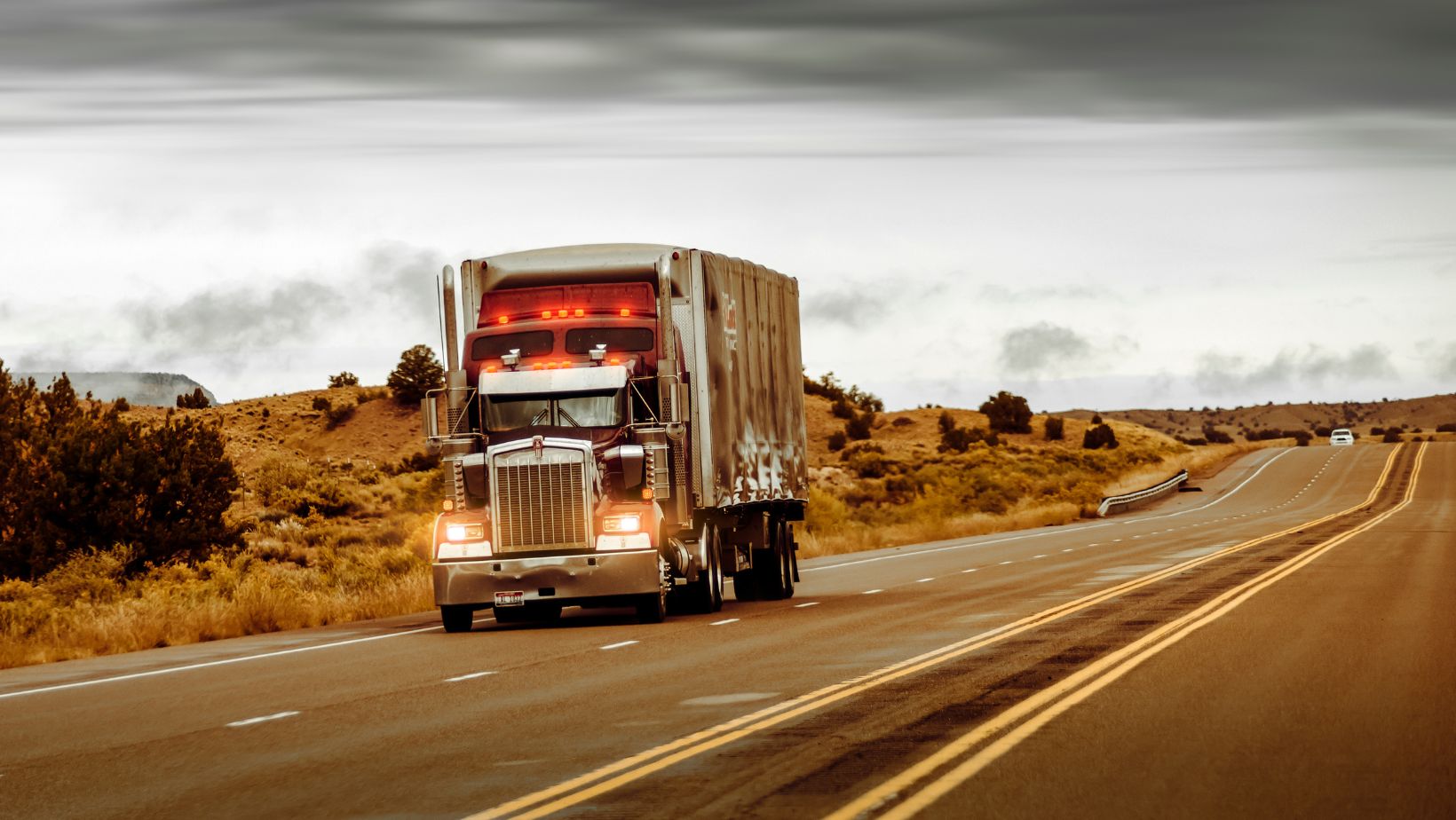
A trucker’s worst nightmare happens in silence. Tires screech, the trailer sways, and suddenly the rig folds like paper. One moment the driver has control. The next moment physics takes over and control becomes an illusion. The cab swings sideways relative to the trailer, creating an angle that no amount of steering can correct once it accelerates. Most drivers don’t realize they’re in a jackknife until it’s too late to prevent what happens next.
Trailer swing is physics, not driver error. The trailer keeps moving in whatever direction momentum carries it while the cab tries to turn. Friction between the tires and road becomes the only force that can change the trailer’s trajectory, and friction has limits. When those limits get exceeded, the trailer slides perpendicular to the road. The rig folds, cargo shifts, and what was a controlled vehicle becomes a 40-ton projectile crossing lanes and barriers.
Jackknife truck accidents in Dallas happen fast, but their roots run deep in training, maintenance, and momentum. Understanding how trailers lose control means recognizing the moments where different decisions create different outcomes, and seeing how seconds before a jackknife begins determines whether the driver can prevent what comes next.
When Weight Wins
Trailers don’t come equipped with brakes sensitive enough to prevent jackknifes. Physics decides which axle locks first. When a driver brakes hard in a rig, the trailer’s wheels lock before the cab’s wheels do because the trailer carries the weight. Once locked, the trailer stops responding to steering inputs from the cab. It just continues sliding in whatever direction momentum is pushing it.
Curved roads transform this physics into disaster. A trailer sliding while attempting a curve continues sliding straight instead of turning. The driver turns the steering wheel, but the trailer’s inertia overrides it. The trailer swings outward while the cab tries to follow the road. Within seconds, the jackknife is complete and irreversible. The driver becomes a passenger in a rig they no longer control.
Road conditions change how quickly weight wins. Wet pavement reduces friction dramatically, meaning trailers lock up faster and slide longer. Gravel acts worse. Ice acts worse still. Dallas highways near construction zones often have loose debris. A driver who brakes normally on dry pavement might trigger a jackknife on the same road after rain. That transition from dry to wet, experienced between one second and the next, is when trailers start swinging and drivers lose control completely.
Split-Second Mistakes
Improper braking causes the majority of jackknifes. New drivers or fatigued drivers brake harder than necessary. That sudden brake application on a loaded trailer is an invitation for the rear end to slide. Experienced drivers use lighter, longer braking that keeps weight transfer gradual. The difference between safe and catastrophic braking feels minimal until the road shifts and reveals which technique saves lives.
Speed on curves kills drivers who know better. A driver might know the posted speed limit, might know their truck’s limitations, but still takes the curve faster because schedules are tight and hours are regulated. That single decision to push five miles per hour over safe speed is sometimes where jackknifes begin. The driver rationalizes it, thinks they know their truck, thinks this curve is gentle enough. Then the trailer starts moving sideways and rationalization becomes irrelevant.
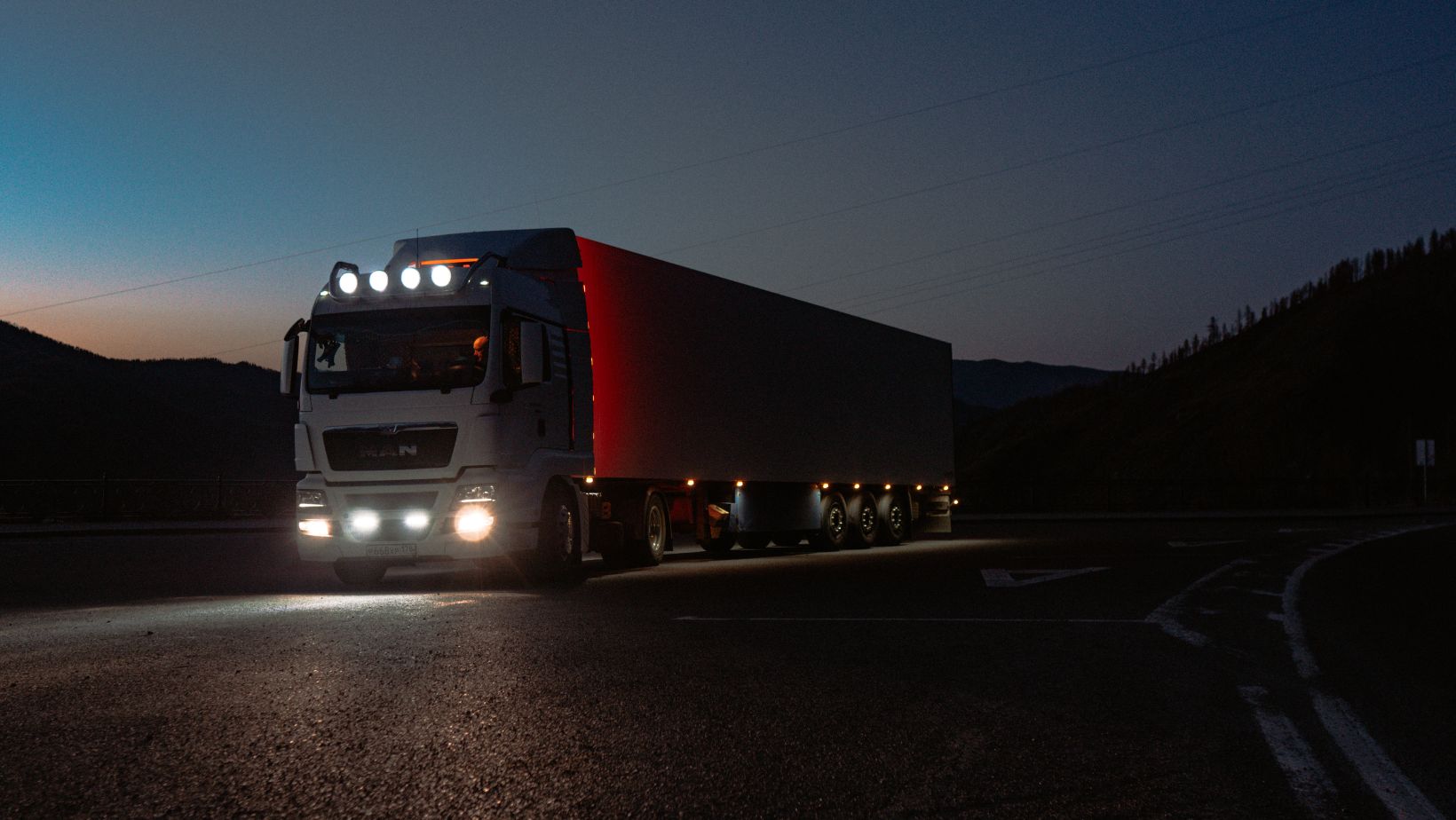
Driver fatigue makes everything worse simultaneously. Tired drivers react slower to early warning signs that a jackknife might be developing. Their decision-making deteriorates. They’re more likely to brake suddenly when realizing they’re going too fast, more likely to overcorrect when the trailer starts moving wrong. Federal regulations about hours of service exist because accidents spike when fatigue sets in. Drivers know this but drive tired anyway because deadlines matter more than safety.
The Road to Prevention
Technology has made trucks better equipped to survive conditions that used to cause automatic jackknifes. Electronic stability control systems detect when a trailer starts sliding and apply brakes to specific wheels to pull it back into line. Anti-lock braking systems prevent wheels from locking up in the first place. These systems work, but they require maintenance and proper calibration. A truck running on faulty sensors is barely safer than one without the technology at all.
Regulation and enforcement matter tremendously. Inspectors check brake systems, tire conditions, and cargo loads. When enforcement gets serious about truck maintenance, accident rates drop noticeably. When inspection schedules get pushed back or resources get thin, accidents climb. Regulation works because it prevents trucks that shouldn’t be on the road from being on the road. Dallas highways see jackknifes cluster after periods when enforcement gets reduced.
Training makes the difference that nothing else can replicate. A driver who has practiced emergency braking, who has felt their truck react to sudden inputs, who has learned how to steer out of a developing jackknife, responds differently in crisis. Companies that invest in driver training consistently show lower accident rates. Training costs money upfront but saves enormously in accident prevention, insurance, and cargo protection.
Conclusion
Once a jackknife starts folding, it’s too late. The point of no return begins with seconds and ends in impact. The physics take over completely, and human intervention becomes mostly irrelevant. What matters is what happened before the trailer started moving sideways.
It’s the maintenance done yesterday, the brake adjustment last month, the training six months ago, and the decision made today to follow safe speeds and practice safe braking. Every jackknife represents a failure somewhere in a chain. Maybe the truck wasn’t maintained. Maybe the driver was tired or rushing. Maybe the load was secured incorrectly. Usually it’s a combination of small failures aligning perfectly.
Dallas highways will have more jackknifes. Some drivers will make the choices that prevent them. Others will make the choices that invite them. The difference between safe arrival and catastrophe often comes down to decisions made in moments when rushing felt normal and caution felt paranoid.


