

The thought of losing your Second Amendment rights over a Driving Under the Influence (DUI) conviction is a serious concern for many gun owners and prospective buyers. Firearm background checks pull information from multiple federal and state databases, and even a single past charge can create uncertainty about whether a purchase will be approved.
Understanding how a DUI interacts with the firearm background check system is essential before you attempt to buy a gun. Not all DUIs lead to a denial, but certain circumstances, like felony classifications, added charges, and state-specific rules, can make a significant difference.
This guide helps you approach the process with clarity and confidence by breaking down how background checks work and explaining when a DUI becomes a barrier.
How Gun Background Checks Work
When a buyer attempts to purchase a firearm from a licensed dealer, the seller submits their information to the National Instant Criminal Background Check System (NICS). NICS reviews databases that include criminal records, outstanding warrants, restraining orders, and prohibiting factors under federal law.
Most states rely on NICS, while others add their own state-level checks. Either way, the goal is the same: determine whether the buyer is legally allowed to own or purchase a firearm.
Crimes involving violence, felony convictions, domestic violence charges, and certain drug offenses often create barriers to approval. DUIs also appear on criminal history reports, but whether they disqualify someone depends on the details of the conviction.
When and How Will a DUI Fail a Background Check for a Gun
A DUI does not automatically block a firearm purchase, but it can trigger a denial when it meets certain legal thresholds or appears alongside other disqualifying factors.
Felony DUI Convictions
A DUI becomes disqualifying the moment it is classified as a felony. Federal law prohibits firearm possession after any felony conviction, whether it involved alcohol, injury, or property damage. Many states elevate repeat DUIs or DUIs with injury to felony status. When a background check flags a felony DUI, the denial is automatic.
Misdemeanor Crime of Domestic Violence (MCDV) Involving a DUI
A standard misdemeanor DUI does not bar firearm ownership. However, a DUI tied to a domestic violence incident can. If the incident includes force or threats toward a domestic partner, it may qualify as an MCDV, which results in a federal firearm prohibition, even when the DUI is a secondary charge.
Drug-Related DUIs
Driving under the influence of controlled substances can create additional problems. Some states treat drug-based DUIs more seriously, and certain drug convictions trigger federal bans. If the DUI appears with possession, distribution, or paraphernalia charges, NICS may deny the purchase.
DUI With Injury, Endangerment, or Additional Charges
A DUI involving injury, child endangerment, or reckless behavior often carries enhanced charges. Even when the DUI itself is not a felony, paired offenses such as assault or reckless endangerment may qualify as prohibiting crimes. Background checks evaluate the entire record, not just the DUI.
Active Probation or Court Supervision
Applicants on probation, parole, or court supervision after a DUI typically face temporary restrictions. Many states bar firearm purchases until sentencing requirements are complete. Pending DUI cases can also delay or complicate approval.
That said, please note that a single misdemeanor alcohol-based DUI typically does not prohibit firearm ownership. If no injuries, domestic violence elements, or felony-level charges were involved, the offense usually appears as a standard misdemeanor during the background check.
How to Know What’s on Your Record
If you have a past DUI or multiple offenses, you should verify exactly what appears on your record before applying for a firearm. Court reporting varies by state, and errors can occur, especially with older cases or cases that have been partially resolved.
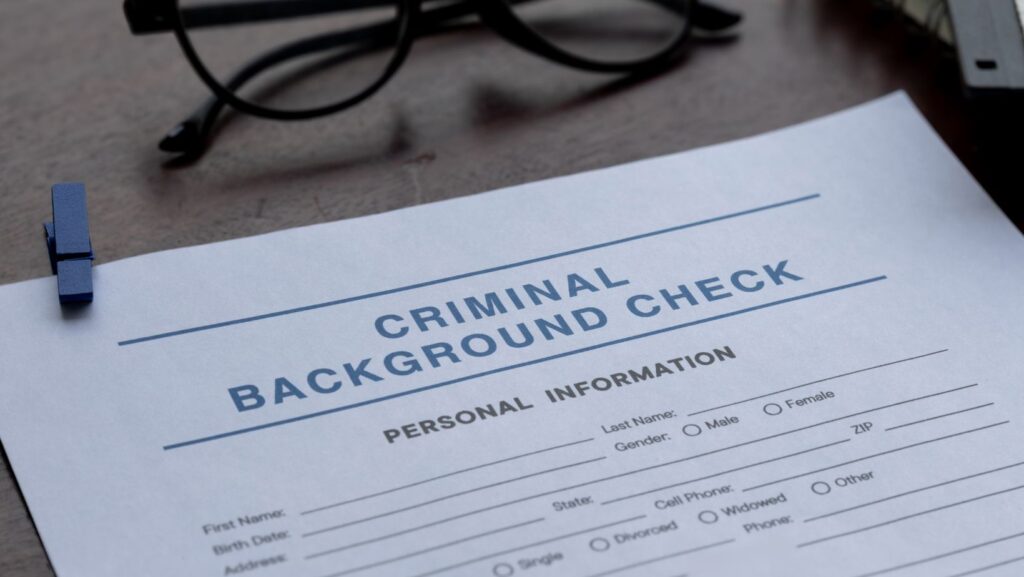
Many people choose to run a self-background check using a reputable background check search to see what information may appear during a firearm purchase review. Checking your own record helps you:
- Confirm which charges still appear.
- Identify reporting mistakes.
- Understand whether past cases are marked as pending or closed.
- See how a gun dealer or agency might interpret your history.
Taking this step before applying helps avoid surprises at the counter.
Key Takeaways on Will a DUI Fail a Background Check for a Gun
Ultimately, the deciding factor isn’t the DUI label itself, but whether the conviction carries felony consequences, domestic violence components, or active supervision requirements. A single misdemeanor DUI typically passes without issue, while elevated or paired charges create barriers.
Before you apply, review your criminal history so you know what the system will see. Being proactive helps you understand your eligibility and take any steps needed to move forward responsibly.


