Why do some crash cases unravel and others conclude with a lump sum settlement?
Sometimes the reason isn’t related to what occurred on the road. Often times it’s related to what the rider was wearing before the collision occurred.
Motorcycle riding gear is no longer just about protection. Over the past several years it has evolved into possibly the single strongest piece of evidence your family has following a tragic motorcycle crash.
Here’s why that matters…
In this article you’ll discover:
- Why Riding Gear Matters After a Crash
- The Numbers Behind Motorcycle Gear
- The Gear That Builds Your Case
- How Gear Choices Support a Wrongful Death Car Accident Claim
- Documenting Your Gear After a Crash
Why Riding Gear Matters After a Crash
Riding gear does two important things.
Number one. It keeps you from being seriously injured. Helmets jackets boots gloves absorb impact and keep your body safe from road rash broken bones and head trauma. Ok now for the non obvious.
But here’s something most people don’t think about…
Gear can also speak volumes after the accident occurred. It demonstrates the level of caution taken by the rider. It can demonstrate decisions made prior to straddling that motorcycle. When it comes to a wrongful death motorcycle accident claim, those decisions can make or break your case.
Your gear can speak volumes if your family needs to demonstrate that another driver was negligent. It can say, “This rider cared about safety.” A qualified Houston auto accident lawyer can protect you by using that gear to shut down attempts by the other side to shift blame.
Insurance companies love to claim that the rider was responsible for their own injuries. Good gear can be used as evidence to refute that claim.
The Numbers Behind Motorcycle Gear
Before we jump into specific gear… Let’s look at what the data says.
Helmets decrease the risk of head injury by 69%, according to the CDC. Helmets reduce the risk of death for riders by 37%, and by 41% for passengers.
That’s a huge number.
And here’s another one…
Texas had 598 motorcyclist deaths in 2023. That’s 9% of all motorcycle deaths in the U.S. That makes Texas the second deadliest state for riders in America.
Numbers like these are why gear shouldn’t be optional. They also allow families and their attorneys to stand firm when seeking restitution in the event of a deadly crash.
The Gear That Builds Your Case
Not all gear is created equal.
What you’re wearing (or your loved one was wearing) matters greatly in moving forward with a case. Let’s discuss the key pieces.
Helmets
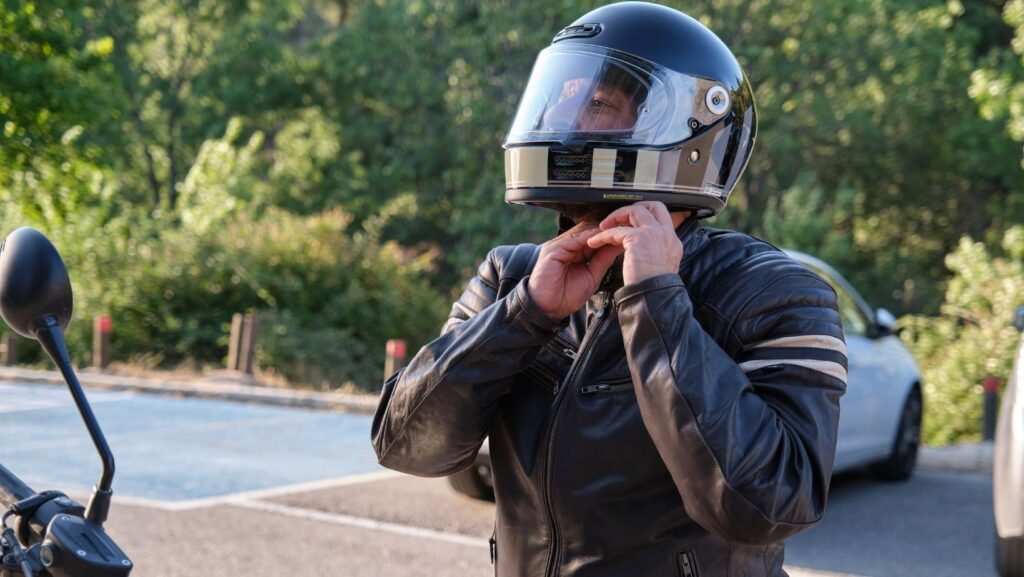
Helmets are the most important piece of gear. Always.
A DOT-approved full-face helmet does two things:
- Protects the rider’s head from fatal trauma
- Proves the rider prioritised safety
If a rider was wearing a certified helmet at the time of the crash, there is very little opportunity for the other party to claim “shared fault”. The fact alone can tip a wrongful death car accident case in favor of the family.
Jackets and Body Armor
A good motorcycle jacket has armour built into the shoulders, elbows, and back.
Gear helps absorb impact so that serious injury doesn’t occur in a crash. Gear can also demonstrate to a jury or insurance adjuster that you weren’t riding recklessly.
Look for jackets with:
- Certified CE-rated armour
- Abrasion-resistant material
- Reflective panels for visibility
Every one of these features tells a larger story about how the rider saw the road.
Boots and Gloves
Boots and gloves are the small things most riders skip.
But they matter.
Booties cover the feet during a slide. Reinforced gloves cover the hands (first point of contact most times). Combined, they demonstrate the rider did everything reasonably possible to protect themselves.
How Gear Choices Support a Wrongful Death Claim
Here’s where things get interesting.
If your family files a claim for a fatal crash, the insurance company will look for any excuse to pay you less. Comparative negligence is one of their biggest weapons.
Basically, they try to argue the rider was partly at fault.
Common arguments include:
- The rider wasn’t wearing a helmet
- The rider was speeding
- The rider wasn’t visible enough
Solid gear evidence blocks each of these arguments cold.
“Wore a certified helmet, jacket, boots and gloves……….the rider. The insurance company has a much tougher time trying to shift blame onto them. Larger settlement for the family. Better helps them realize what they have lost.”
Tip: Damage to gear can assist in the reconstruction of the crash. Scratches on the left sleeve of a jacket may indicate the rider was struck from the right. A fractured helmet can reveal impact direction.
This kind of evidence is gold in a wrongful death car accident claim.
Documenting Your Gear After a Crash
If you or a loved one has been in a crash… Documentation is everything.
The gear must be kept as evidence. Do not throw anything away. Do not clean anything. Do not fix anything.
Here’s what to do instead:
- Photograph every piece of gear from multiple angles
- Keep receipts and tags (if available)
- Store the gear in a safe, dry place
- Get expert analysis of the damage patterns
Gear can be the difference between denial and a check.
And one last thing….Insurance adjusters like to work quickly. The faster they can get to the scene (or equipment) the better chance they have at managing the narrative. Having the right legal assistance early on will help you stay on top of things.
Final Thoughts
Motorcycling attire serves two purposes. It keeps you safer on the road. It also helps protect you (and your family) legally if you’re involved in a crash.
The right gear can:
- Reduce fatal injuries by a huge amount
- Shut down blame-shifting from insurance companies
- Show a rider’s clear commitment to safety
- Support a stronger wrongful death claim
All riders should wear DOT-approved helmets, certified body armour, decent boots and gloves. Not just for the ride…. Think about what happens AFTER the ride if you crash.
When a family is forced to clean up after a deadly wreck. Every piece of equipment tells a story. And that story needs to be told correctly.