motorcyclegear formotorbikes sets the base for every safe ride. Riders must pick gear that protects and fits. This guide lists the core items riders need in 2026. It covers helmets, clothing, gloves, boots, and how to match gear to bike, climate, and budget. The advice stays practical and clear so riders can act fast and buy what works.
Key Takeaways
- Investing in quality motorcyclegear formotorbikes significantly enhances safety by reducing injury risk and improving rider comfort.
- Selecting helmets with recognized certifications like DOT, ECE, Snell, or MIPS ensures tested protection and proper fit is essential for effectiveness.
- Protective clothing should include CE-rated armor at critical points and feature durable materials like leather or textile with good seam and zipper quality.
- Gloves and boots need to offer protection, good grip, and weather compatibility, with features like knuckle protection and waterproof membranes.
- Choose motorcyclegear formotorbikes that match your bike type, climate, and budget, prioritizing helmets and jackets first to maximize safety and comfort.
Why Quality Motorcycle Gear Matters — Safety, Comfort, And Cost Savings
Riders choose quality motorcyclegear formotorbikes to reduce injury risk. Proper gear absorbs force and prevents road rash. It improves rider comfort on long trips. Comfortable riders stay focused and react faster. Quality gear often lasts longer and needs fewer replacements. That lowers long-term cost. Riders should view gear as an investment in health and daily riding ability. Cheap gear may fail when it matters most. Insurance and medical bills rise after crashes, so good gear can save real money.
Helmets: Types, Standards, And Key Fit Considerations
Riders pick helmets first when they shop motorcyclegear formotorbikes. A helmet protects the head and brain from impact. Riders should learn types, standards, and fit rules before buying.
Helmet Types And Safety Standards (DOT, ECE, Snell, And MIPS)
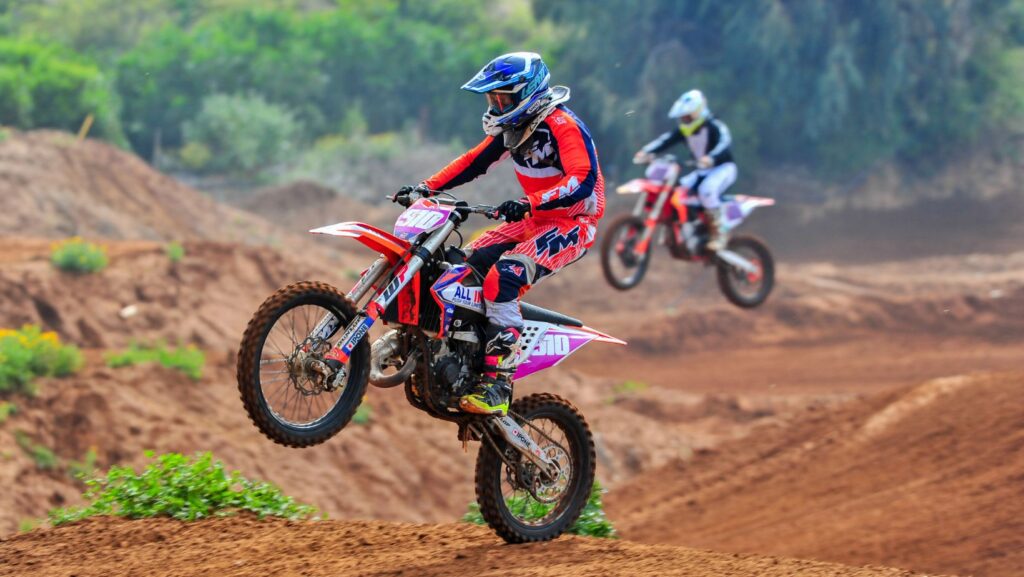
Full-face helmets cover chin and head. Open-face helmets expose the face. Modular helmets flip up the chin bar. Off-road helmets suit dirt riding. Helmets carry certifications like DOT, ECE, or Snell. MIPS adds a low-friction layer to reduce rotational forces. Riders should choose a helmet with at least one recognized certification. Higher certification often means higher cost but better tested protection.
Fit, Sizing, And Helmet Care For Longevity
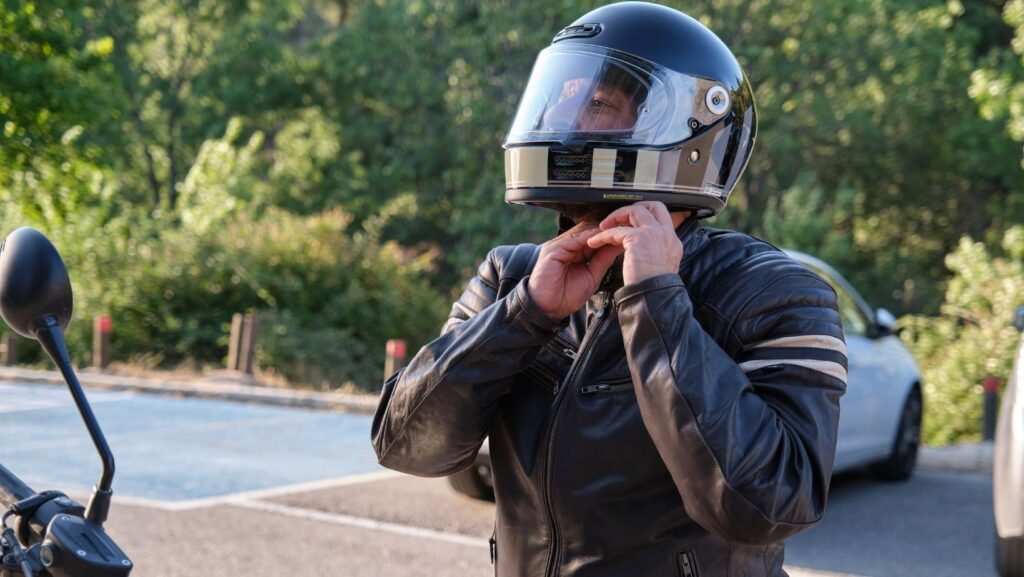
Riders measure head circumference and try helmets on. The helmet should sit level and feel snug without pressure points. Cheek pads should touch the cheeks firmly. Riders fasten the chin strap and shake their head to test movement. They replace helmets after any crash or every five to seven years. Riders clean liners per manufacturer instructions and store helmets away from direct sunlight.
Protective Clothing: Jackets, Pants, And Integrated Armor
Riders wear jackets and pants that protect skin and absorb impact. Textile and leather remain the main material choices. Textile suits offer better weather options. Leather offers strong abrasion resistance. Riders look for CE-rated armor at shoulders, elbows, back, hips, and knees. Integrated armor sits inside pockets and stays in place during a slide. Removable liners let riders adjust for temperature. Riders test seam quality and zipper strength. They buy gear with reflective panels for low-light visibility. Properly sized clothing stops the armor from shifting on impact.
Gloves And Boots: Protection, Grip, And Weather Compatibility
Riders choose gloves and boots that protect hands and feet. Gloves should cover the wrist and include knuckle protection. Boots should cover the ankle and have stiff soles for braking. Riders expect a good grip on controls from glove palms. Waterproof membranes and vents help with weather control. For cold rides, insulated gloves and boots keep riders warm. For hot rides, ventilated gear improves comfort. Riders check for CE ratings and reinforced stitching. They replace gloves after heavy wear or a crash. Good gloves and boots give riders more control and confidence on the road.
Choosing Gear For Your Ride, Climate, And Budget
Riders choose motorcyclegear formotorbikes based on bike type, weather, and wallet. Sport riders favor form-fitting gear and high-impact armor. Touring riders favor layered systems and comfort features. Urban riders prefer light, visible gear for short trips. In hot climates, riders pick ventilated jackets and mesh liners. In cold climates, they pick insulated liners and heated options. Riders set a budget and prioritize helmet and jacket first. They add better gloves and boots next. Riders shop for deals but avoid expired or uncertified gear. They try gear with their bike clothing to check fit and movement.