motorcycle gear felipe willis sets a clear example for riders who value safety and style. This guide explains what he picks and why those choices matter. It lists helmets, jackets, gloves, and boots he trusts. It shows how to match gear to a rider’s bike and budget. The advice stays practical and direct so readers can act fast.
Key Takeaways
- Felipe Willis prioritizes motorcycle gear that balances certified safety features with a signature style, emphasizing fit and protection over brand names.
- For helmets, Felipe chooses ECE or DOT certified models with composite or carbon shells, full-face coverage, and removable, washable padding to ensure both safety and comfort.
- He recommends jackets with CE-rated armor and durable materials like full-grain leather or waterproof textiles, tailored for the rider’s specific use and ensuring adjustable secure fit.
- Gloves should have reinforced palms and TPU knuckle guards with grip tested on controls, while boots must offer reinforced toes, ankle support, oil-resistant soles, and CE certification where possible.
- Felipe advises riders to measure accurately with base layers, assess gear materials and construction quality, and replace helmets after crashes or every five years to maintain protection.
- Proper care like cleaning leather with pH-neutral products, washing liners gently, and storing helmets away from sunlight prolongs gear life and effectiveness.
Why Felipe Willis’ Gear Choices Matter: Fit, Safety, And Signature Style
Felipe Willis tests gear on the road. He selects items that fit well. He buys gear that protects first and looks good second. He uses helmets with full-face coverage for high-speed rides. He chooses jackets with CE-rated armor at the shoulders, elbows, and back. He prefers gloves with knuckle protection and secure wrist closures. He wears boots with ankle support and steel shanks for long trips.
Felipe values fit over brand names. He says a loose jacket moves on impact and reduces protection. He says a tight helmet reduces comfort and increases fatigue. He measures chest, waist, and arm length before he buys gear. He tries gloves and boots with his riding socks and base layers.
Felipe uses signature colors and clean lines to build a look. He mixes matte and gloss finishes to avoid loud branding. He keeps reflective accents for night visibility. He selects modular helmets when he wants convenience for short stops. He picks leather jackets for abrasion resistance and textile jackets for wet weather. He balances style with certified protection when he chooses gear.
Essential Helmet, Jacket, Glove, And Boot Picks He Uses — What To Look For
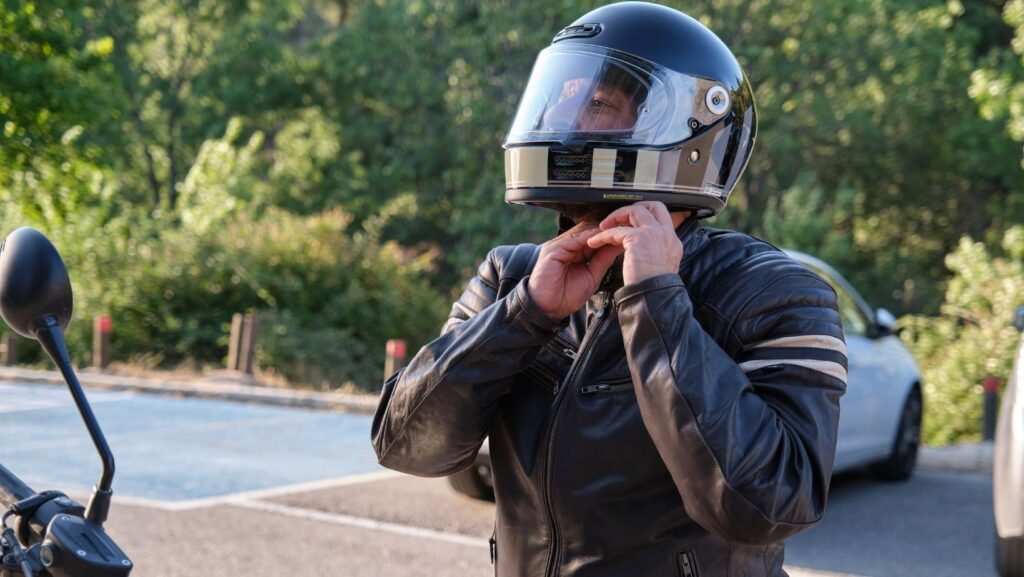
Helmet: Felipe chooses helmets with ECE or DOT certification and multi-density EPS liners. He favors shells made from composite fiber or carbon for lower weight. He looks for a secure chin strap and an anti-fog visor. He inspects ventilation and padding that he can remove and wash.
Jacket: Felipe uses jackets with CE armor and robust outer material. He likes full-grain leather for abrasion resistance on sport rides. He picks textile jackets with waterproof membranes for touring. He checks seams and zipper quality. He prefers jackets with adjustable waist and wrist closures for a secure fit.
Gloves: Felipe wears gloves with reinforced palms and TPU knuckle guards. He chooses gauntlet gloves for cold rides and short cuffs for urban commutes. He tests grip on controls before buying. He avoids thin gloves without impact protection.
Boots: Felipe selects boots with reinforced toes, ankle support, and oil-resistant soles. He prefers boots with a shank for gear changes and a fastener that stays closed in a crash. He looks for CE certification where available.
Accessories: Felipe adds a chest protector for off-road riding. He uses hi-vis straps for night runs. He keeps a compact repair kit and a helmet care kit in his luggage. He replaces any gear that shows failure or lost certification.
How To Choose The Right Gear For Your Ride And Budget — Sizing, Materials, And Care
Step 1: Define use. Felipe lists his ride type before he shops. He notes city, sport, touring, or off-road use. He matches helmet type to that use. He chooses lighter helmets for sport and modular helmets for touring.
Step 2: Measure. Felipe measures head, chest, waist, hand, and foot. He uses manufacturer size charts. He fits gear with base layers he will wear on the ride. He remembers that sizes vary by brand.
Step 3: Prioritize protection. Felipe spends first on a certified helmet and a jacket with armor. He buys gloves and boots next. He allocates remaining budget to comfort items like liners and vents.
Step 4: Check materials. Felipe reads labels for leather grade, textile denier, and membrane type. He prefers full-grain leather for abrasion resistance. He picks 600–1200 denier textile for durable weather gear. He favors membranes that list waterproof and breathable ratings.
Step 5: Inspect construction. Felipe examines seams, armor pockets, and fasteners. He flexes joints to check armor coverage. He tests zippers, snaps, and Velcro for strength.
Step 6: Care and storage. Felipe cleans leather with pH-neutral cleaner and conditions it to keep it supple. He washes removable liners on gentle cycles and air-dries them. He stores helmets on a shelf away from sunlight. He replaces visors and pads when they show wear.
Step 7: Replace timeline. Felipe replaces a helmet after any crash or every five years. He replaces gloves, jackets, and boots when integrity or certification fails. He budgets for staged upgrades to avoid one large expense.