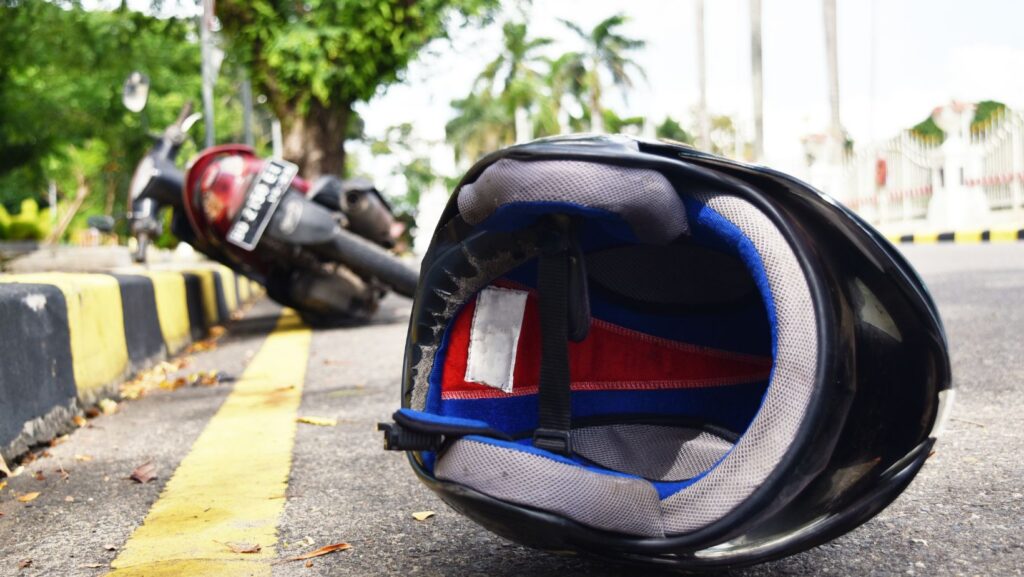
fmbmototune motorbike tuning guide from formotorbikes shows clear steps for riders. It lists goals, tools, and safety items. It helps riders set realistic performance targets. It helps riders avoid common errors. The guide keeps language simple. It keeps instructions direct. It prepares riders to work on engines, suspension, and brakes safely.
Key Takeaways
- The fmbmototune motorbike tuning guide from formotorbikes helps riders set clear, realistic performance goals before making adjustments.
- Using the recommended essential tools and safety gear ensures safe and effective tuning processes.
- Engine tuning should begin with careful diagnostics, with incremental changes to avoid complicating issues.
- Carburetor jetting requires patience and step-by-step adjustments, using factory jets as baseline and checking plug color.
- Fuel injection and ECU remapping demand precise data and sometimes professional calibration to optimize performance safely.
- Proper suspension, brake, and chassis setup following the guide improves handling and rider confidence for real-world conditions.
Understanding Your Bike And Tuning Goals
Riders should inspect their bike before any change. They should list current strengths and faults. They should note power, handling, and reliability priorities. The fmbmototune motorbike tuning guide from formotorbikes asks riders to record service history and recent failures. Riders should define clear goals such as more midrange torque or crisper throttle feel. Riders should set a budget and a risk limit. Riders should decide if they will tune for street use, track laps, or mixed riding. Riders should measure baseline lap times or acceleration times before they alter parts.
Essential Tools, Parts, And Safety Checklist
Mechanics need the right tools for safe work. The fmbmototune motorbike tuning guide from formotorbikes recommends a torque wrench, feeler gauges, a multimeter, and a quality jack. Riders should stock spare gaskets, fasteners, and fluids. They should use OEM or proven aftermarket parts for critical systems. They should wear gloves and eye protection. They should secure the bike on level ground and use stands. They should disconnect the battery when they touch wiring. They should follow a written checklist for each job to avoid missed steps.
Engine Tuning: Carburetor, Fuel Injection, And ECU Basics
Engine tuning starts with diagnosis and baseline checks. The fmbmototune motorbike tuning guide from formotorbikes tells riders to check compression and valve clearances first. The guide tells riders to confirm the intake and exhaust seals. Riders should log fuel pressure and injector pulse widths on fuel-injected bikes. Riders should inspect air filters and the intake tract for leaks. Riders should clear fault codes before remaps. Riders should treat small steps as tests and measure effects. Riders should not mix too many changes at once because they will not know the cause of any new issue.
Carburetor Jetting And Air-Fuel Adjustments
Carburetor work requires calibration and patience. The fmbmototune motorbike tuning guide from formotorbikes asks riders to start with the factory jets. Riders should change one jet size at a time. Riders should read plug color after steady pulls to judge mixture. Riders should adjust pilot and main jets to fix transitions and top-end lean spots. Riders should set idle mixture so the engine runs smoothly at idle. Riders should verify needle clip position for midrange control. Riders should use a wideband O2 meter when possible to log air-fuel ratio under load.
Fuel Injection, ECU Remaps, And When To Seek Professional Calibration
Fuel injection needs data and careful mapping. The fmbmototune motorbike tuning guide from formotorbikes recommends a dyno for serious remaps. Riders should tune fueling, ignition, and variable timing in small steps. Riders should monitor knock and wideband O2 data during runs. They should correct fueling before they add power-enhancing parts. They should avoid aggressive ignition timing without testing. They should hire a certified tuner for complex ECUs or when the bike shows knock codes. They should keep original ECU files saved before any remap.
Suspension, Brakes, And Chassis Setup For Real-World Riding
Chassis setup affects speed and rider confidence. The fmbmototune motorbike tuning guide from formotorbikes asks riders to check fork seals, shock bearings, and swingarm play. Riders should confirm brake pad condition, rotor wear, and fluid age. Riders should bleed brakes and use the correct fluid rating. Riders should set tire pressures to match load and riding style. Riders should adjust steering head bearings for the correct free play. Riders should test changes on short, measured rides and note handling changes.
Setting Sag, Damping, And Tire Choices For Better Handling
Riders should set sag first to match rider weight and gear. The fmbmototune motorbike tuning guide from formotorbikes gives a target sag range by bike type. Riders should use the recommended sag and then set compression and rebound damping. Riders should increase rebound damping if the bike tracks poorly over bumps. Riders should soften compression if the bike feels harsh on small bumps. Riders should choose tires that match road conditions and rider intent. Riders should test the setup on both slow and fast sections and record lap or ride times to compare.