fmbmotoapparel motorcycle gear guide from formotorbikes helps riders pick gear that fits their needs. The guide lists helmets, jackets, gloves, pants, and boots. It explains safety ratings, fit, and weather choices. It aims to cut confusion and speed decisions. The guide suits commuters, tourers, and sport riders who want clear gear advice.
Key Takeaways
- fmbmotoapparel motorcycle gear guide from formotorbikes helps riders select gear tailored to their riding style, safety needs, and weather conditions.
- Choosing the right helmet type and checking for DOT, ECE, or Snell certifications ensures optimal safety and comfort for different riding activities.
- Proper fit, CE-rated armor levels, and materials like Cordura or full-grain leather improve protection and riding comfort for jackets, gloves, pants, and boots.
- Layering strategies vary by ride type, recommending moisture-wicking base layers, removable liners, and weatherproof shells for enhanced versatility.
- The guide emphasizes testing gear fit and features like visor clarity, vent placement, and armor alignment to maintain protection and reduce rider fatigue.
How To Choose The Right Helmet For Your Riding Style
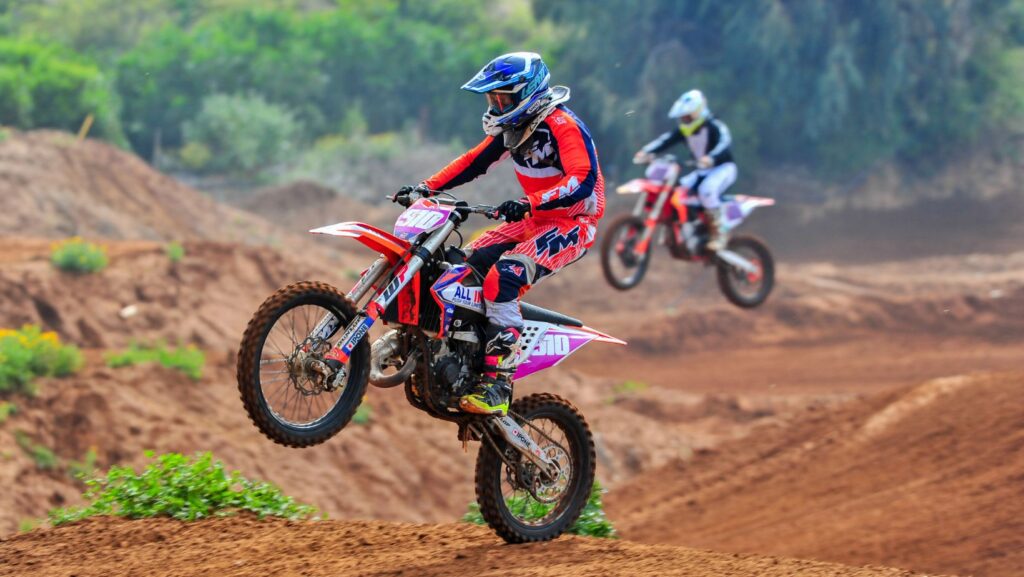
Helmet types matter for safety and comfort. fmbmotoapparel motorcycle gear guide from formotorbikes lists full-face, modular, open-face, and off-road helmets. Riders should match helmet type to riding style. Full-face helmets offer the best crash protection for road and sport riding. Modular helmets suit commuters who want a flip-up visor. Off-road helmets pair with goggles and work for trail and motocross use.
Helmet Types And Safety Certifications Explained
Certifications show tested impact performance. fmbmotoapparel motorcycle gear guide from formotorbikes explains DOT, ECE, and Snell marks. DOT suits the United States. ECE suits many international riders. Snell adds stricter laboratory tests. Riders should pick helmets with at least one recognized certification. The guide recommends checking certification labels and production dates.
Fit, Comfort, And Visor Options For All-Day Riding
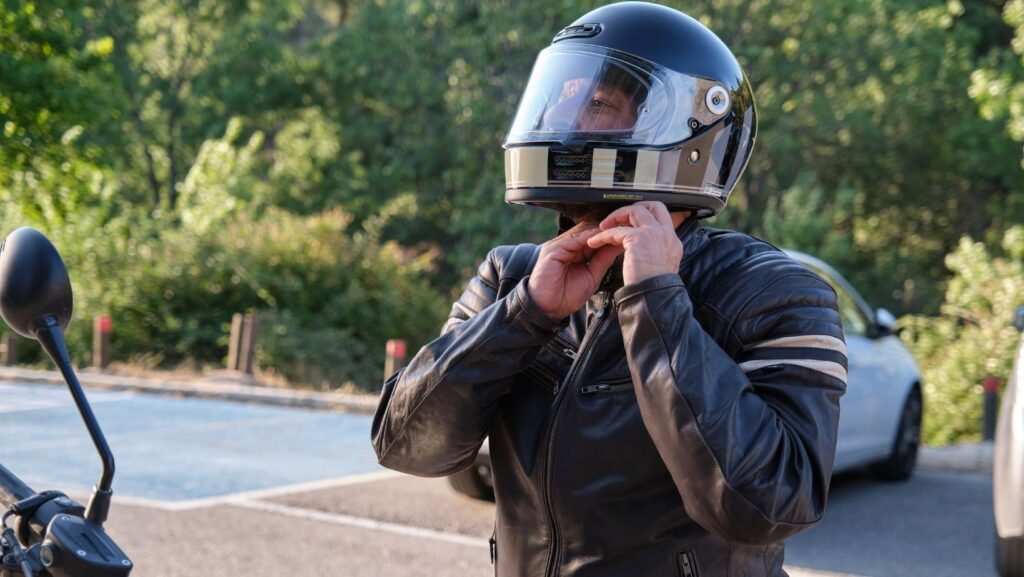
Fit affects safety and focus. fmbmotoapparel motorcycle gear guide from formotorbikes tells riders to measure head circumference and try brands for shape match. The guide advises firm cheek contact without pain and a stable chin strap. Riders should test visor clarity and anti-fog treatment. Pinlock inserts and quick-change visor mechanisms help long rides. Removable liners ease cleaning and control odor.
Picking The Right Protective Jacket And Armor Levels
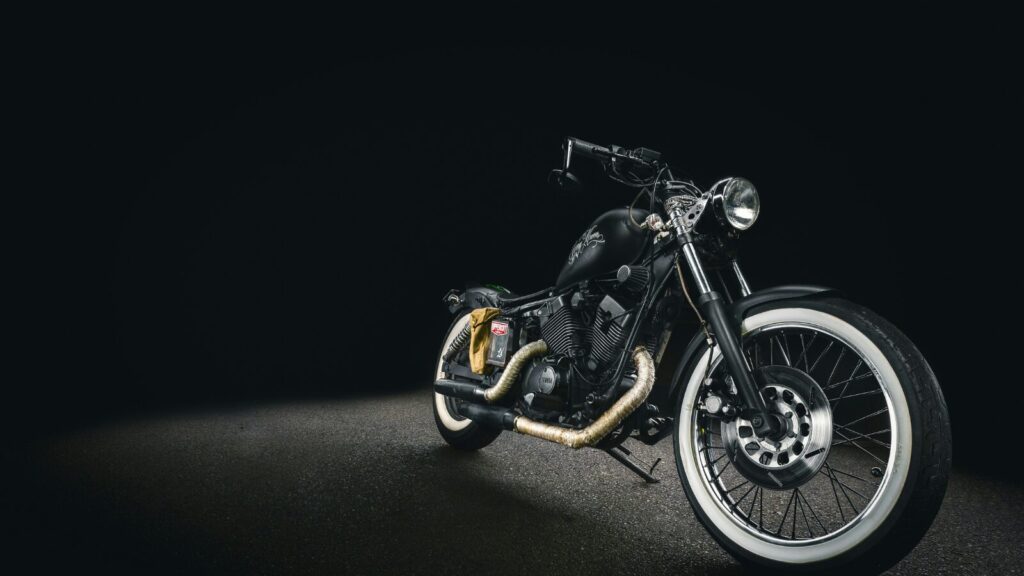
Jackets protect from impact and abrasion. fmbmotoapparel motorcycle gear guide from formotorbikes separates textile and leather options. Textile jackets add weather features and vents. Leather jackets add abrasion resistance and a classic look. Riders should confirm CE armor at shoulders, elbows, and back. The guide recommends Level 1 armor for urban riders and Level 2 armor for high-speed or heavy touring.
Material Choices, Ventilation, And Weather Considerations
Material choice affects comfort and protection. fmbmotoapparel motorcycle gear guide from formotorbikes advises Cordura and ballistic nylon for textiles and full-grain leather for abrasion. The guide shows how removable liners handle cold and waterproof membranes handle rain. Riders should check vent placement for airflow in warm climates. The guide recommends layered jackets for mixed climates and simple waterproof shells for wet commutes.
Gloves, Pants, And Boots: Sizing, Construction, And Safety Standards
Gloves, pants, and boots form a full protection set. fmbmotoapparel motorcycle gear guide from formotorbikes explains fit and reinforcement needs. Gloves should fit snugly and protect knuckles and palms. The guide recommends leather or reinforced textile with wrist closure. Pants should include knee and hip armor or pockets for armor. The guide advises abrasion-resistant panels on high-wear areas.
The guide lists CE ratings for gloves and armor. fmbmotoapparel motorcycle gear guide from formotorbikes recommends CE Level 2 knee armor for sport riders. Boots should cover the ankle and use reinforced toes and heels. The guide suggests boots with a non-slip sole and a secure closure. It warns against soft work boots that lack impact protection.
Layering Strategies For Commuting, Touring, And Sport Riding
Layering changes with ride type and weather. fmbmotoapparel motorcycle gear guide from formotorbikes outlines simple layers for different uses. Commuters should use a thin base layer, a breathable jacket, and a light waterproof shell. Touring riders should add insulating mid-layers and a heavier waterproof outer layer. Sport riders should focus on streamlined layers that avoid bulk and keep armor in place.
Riders should choose moisture-wicking base layers. fmbmotoapparel motorcycle gear guide from formotorbikes favors synthetic or merino materials for sweat control. The guide recommends removable liners for temperature control and packable rain shells for sudden weather. Riders should test zip and connection systems between jacket and pants to keep armor aligned and to limit wind lift.