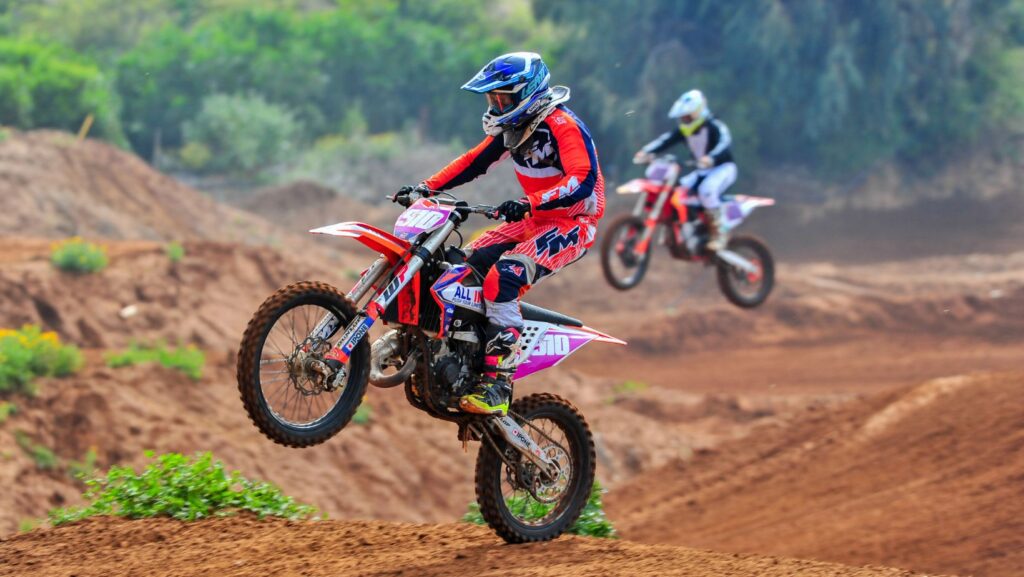
The phrase exhilarating activity adventure inherent risks formotorbikes describes why riders chase thrill and accept danger. A rider seeks speed, freedom, and skill tests. They balance desire and caution. This article explains why the activity draws people and how they can reduce harm. It uses clear steps and concrete examples. It aims to help riders make safer choices while they still enjoy the ride.
Key Takeaways
- The exhilarating activity adventure inherent risks formotorbikes draws riders seeking speed, freedom, and skill challenges despite known dangers.
- Environmental factors like terrain, weather, and visibility significantly affect motorbike safety and require careful planning and adjustment of riding style.
- Mechanical maintenance, rider skill, and human factors such as fatigue or peer pressure critically influence risk and must be managed proactively.
- Riders can reduce inherent risks by using proper protective gear, performing thorough pre-ride checks, and matching speed to skill and conditions.
- Practicing core riding skills, planning routes carefully, carrying emergency tools, and gradually increasing challenge levels enhance confidence and safety.
- Group riding protocols, clear communication, basic first aid knowledge, and regular bike maintenance are essential strategies to manage risks while enjoying motorbike adventures.
The Allure Of Motorbike Adventure: What Fuels The Thrill
Many riders repeat the phrase exhilarating activity adventure inherent risks formotorbikes when they explain their passion. The engine sound drives an emotional response. Speed gives an instant adrenaline spike. Open roads give a strong sense of freedom. Skill challenges demand focus and reward progress. The bike forces a rider to be present. Scenery and route variety add novelty and joy. Social bonds form around shared trips and repair stories. A rider often says the effort of mastering a route feels like a personal win. These clear factors explain why people choose adventure riding even though known hazards.
Common Inherent Risks Of Adventure Riding
Riders who accept exhilarating activity adventure inherent risks formotorbikes face predictable danger. The risks fall into groups. Each group needs direct attention and plain action. Riders must assess environment, machine, and human limits. The next two subsections list common hazards and show how they impair safety in clear terms.
Environmental, Terrain, And Weather Hazards
Road surfaces change quickly and they affect traction. Gravel, mud, sand, and wet asphalt reduce grip and increase stopping distance. Strong wind pushes a bike off line and it can unsettle a rider. Cold and heat change tire performance and rider fatigue. Night reduces visibility and hides obstacles. Remote routes delay medical help. A rider who plans expects these hazards and chooses speed and line accordingly. They also check forecasts, pick safer times, and avoid routes that exceed their current skill or machine capability.
Mechanical, Skill, And Human‑Factor Risks
A bike that gets poor maintenance can fail at any time. Brake wear, tire cuts, and chain slack present immediate danger. Rider skill gaps show up in tight turns and emergency stops. Fatigue and poor planning reduce alertness. Alcohol and drugs impair judgment and slow reaction. Group dynamics can push a rider to go faster than they should. A rider must inspect the bike before a ride. They must log service checks and replace worn parts. They must train regularly and avoid pressuring peers into unsafe behavior.
Practical Strategies To Reduce Risk And Ride With Confidence
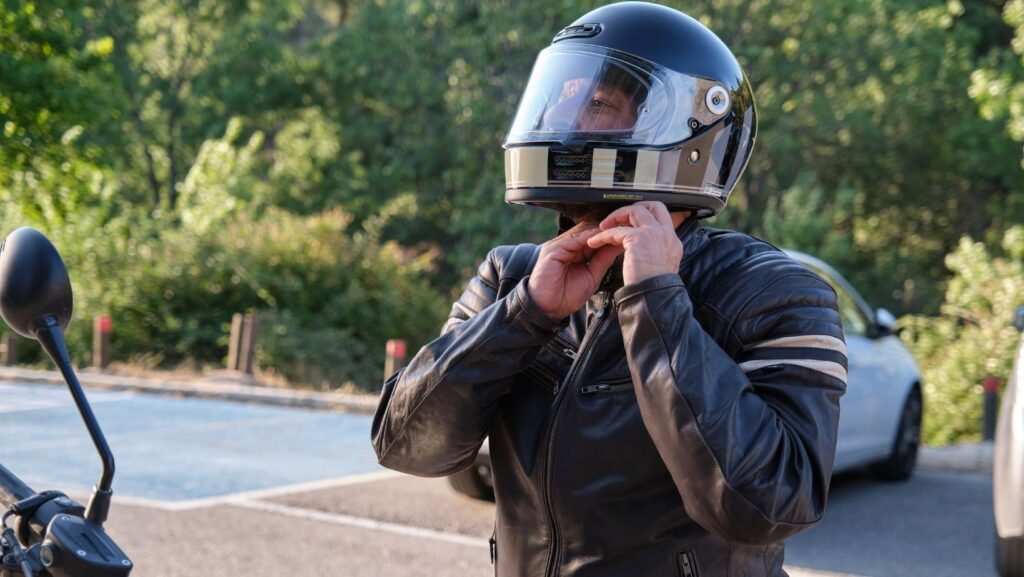
Riders who accept exhilarating activity adventure inherent risks formotorbikes can lower danger with clear steps. They can use layered protection. First, they choose proper protective gear. A full-face helmet, armored jacket, gloves, and boots reduce injury in a crash. Second, they perform a pre-ride checklist. They check tire pressure, brakes, lights, fluid levels, and fasteners. Third, they match speed to skill and conditions. Slow down on unknown surfaces and increase following distance. Fourth, they practice core skills. Brake drills, slow-speed balance, and emergency swerves build muscle memory. Fifth, they plan routes and timing. They pick daylight windows and known roads for early trips. Sixth, they carry basic tools, a puncture repair kit, and a charged phone with offline maps. Seventh, they take incremental steps when adding challenge. They raise difficulty in small stages and log each ride to track progress.
Riders also benefit from group rules. A group leader can set pace limits and rest stops. They can assign a sweep rider to help slower members. A rider should communicate clearly with signals and planned checkpoints. Riders should learn basic first aid. A quick tourniquet or pressure dressing can protect life until help arrives. Finally, riders should maintain the bike on a schedule. Regular oil changes, brake inspections, and tire checks lower the chance of sudden failure. These steps let riders keep high levels of enjoyment while they manage real risk.