motorcycle gear formotorbikes helps riders protect themselves on the road. The guide lists helmet types, clothing, armor, and accessories. It helps riders choose gear that meets safety ratings, fits well, and suits weather. The guide focuses on clear facts and practical choices for daily riders and touring riders. The reader will learn what each item does and why it matters.
Key Takeaways
- Selecting motorcycle gear for motorbikes prioritizes helmets with recognized safety ratings like DOT, ECE, or Snell to ensure head protection.
- Riders should choose protective clothing such as jackets, pants, gloves, and boots with CE-certified armor that balances comfort and safety.
- Layering gear appropriately with moisture-wicking base layers, insulating mid layers, and waterproof outer shells improves rider comfort in changing weather.
- Proper fit and placement of protective armor over joints are crucial for effective impact absorption, with Level 2 armor recommended for high-speed riding.
- Essential accessories like locks, tire gauges, and storage solutions enhance safety and convenience, while regular gear maintenance prolongs durability and function.
- Always purchase genuine motorcycle gear for motorbikes from authorized dealers to guarantee quality and safety standards.
Helmet Types, Safety Ratings, And How To Choose
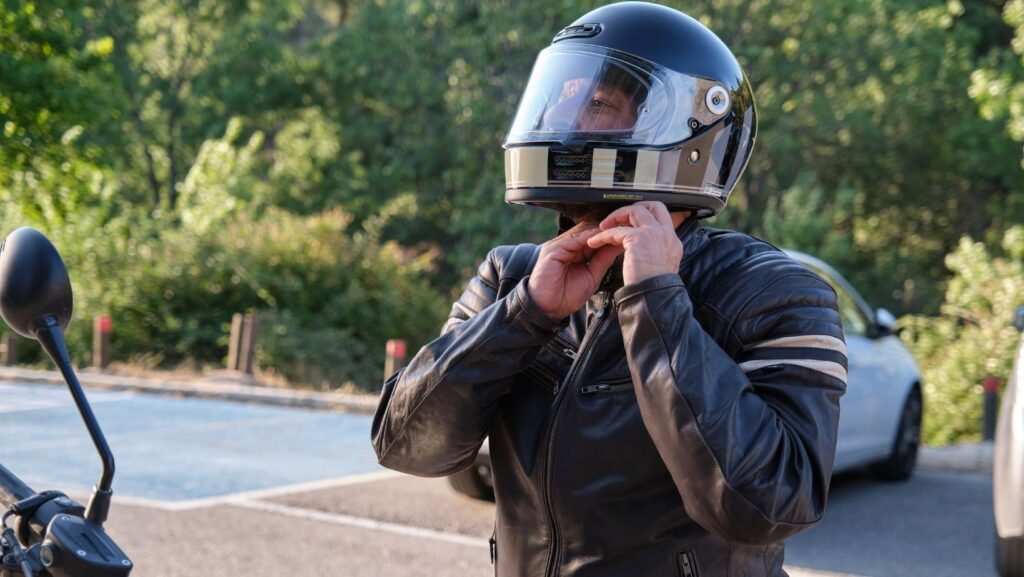
A helmet protects the head and reduces injury. Riders should pick a helmet that carries a recognized safety rating. DOT, ECE, and Snell remain common ratings. A rider checks the label for the rating before buying. Full-face helmets offer the most coverage. Modular helmets let a rider flip the chin bar up. Open-face helmets give more view but less protection. Off-road helmets suit dirt riders. A rider checks fit by placing the helmet on, fastening the chin strap, and trying small head movements. The helmet should sit snugly without pressure points. The rider replaces a helmet after a crash or after five years of use. The rider inspects helmets for cracks, loose padding, and worn straps. The guide emphasizes proper visor and ventilation choices. Clear visors work at night. Tinted visors reduce glare in sun. Anti-fog inserts help in cold weather. When a rider carries a passenger, the helmet must still fit and meet local laws. Riders should test helmets with Bluetooth or comm systems to confirm comfort and function. A rider records the purchase date and model to track service life. motorcycle gear formotorbikes often lists helmets as the first purchase for new riders. The rider avoids counterfeit helmets and buys from authorized dealers to ensure genuine safety ratings.
What To Wear: Jackets, Pants, Gloves, And Boots
A rider picks clothing that protects skin and cushions impact. Jackets come in textile, leather, and mesh. Textile jackets often include waterproof liners. Leather jackets resist abrasion and last long. Mesh jackets help cooling in hot weather. Pants include denim with armor, textile, and leather options. A rider checks for reinforced seams and heavy stitching at seams. Gloves protect hands from cuts and weather and improve control. Short gauntlet gloves work for city rides. Long gauntlet gloves seal over jacket cuffs and keep debris out. Boots protect ankles and toes and support the foot on the peg. A rider looks for oil-resistant soles and ankle support. Motorcycle gear formotorbikes lists CE-certified armor as a key spec for jackets, pants, and gloves. A rider balances protection, comfort, and legal requirements. The rider also considers abrasion resistance and impact protection. A rider buys gear that fits over base layers and under outer layers without bunching. If a rider plans long trips, they choose gear with ventilation zips, removable liners, and secure pockets. The rider avoids loose clothing that could catch on controls or the bike.
Weather, Visibility, And Layering Tips
A rider adapts layers to temperature and precipitation. A base layer wicks sweat. A mid layer provides insulation. An outer shell blocks wind and rain. The rider adds or removes layers as conditions change. High-visibility colors and reflective strips increase detection by other drivers. A rider picks a bright jacket or adds reflective tape to helmets and bags. Waterproof shells keep the rider dry. Breathable membranes let sweat escape. In cold weather, heated liners or battery heaters raise comfort. The rider tests layer combinations before a long trip. When a rider packs light, they bring a compact waterproof shell and a thin insulating layer. motorcycle gear formotorbikes recommends checking weather forecasts and carrying at least one extra layer for unexpected cold.
Protective Armor, Materials, And Proper Fit
Armor absorbs impact and reduces force on bones. Armor pieces include back protectors, shoulder pads, elbow pads, hip protectors, and knee sliders. CE ratings indicate armor performance levels. Level 1 absorbs lower forces. Level 2 absorbs higher forces and uses denser materials. A rider places armor where bones and joints need support. A rider ensures armor sits over joints when in riding position. Soft armor uses foam and perforated materials. Hard armor uses plates for concentrated protection. Materials like high-density foam, aramid fibers, and TPU offer different trade-offs. Aramid fibers resist cuts and abrasion. TPU adds rigidity to plates. Proper fit matters more than brand. A rider tries on gear in a riding stance to confirm coverage over hips, knees, shoulders, and back. The rider adjusts straps and pockets to keep armor in place. For high-speed riding, the rider steps up to Level 2 armor. For commuting, the rider may choose lighter armor but still CE certified. motorcycle gear formotorbikes often highlights fit checks and armor placement as top priorities when selecting gear.
Essential Accessories, Storage, And Gear Maintenance
Accessories improve safety and convenience. A rider chooses a good lock, a tire pressure gauge, and a first-aid kit. A rider carries spare fuses, a multi-tool, and a compact pump. Storage options include tank bags, saddlebags, and top cases. Hard cases protect contents and lock to the bike. Soft luggage saves weight and compresses for storage. A rider secures gear to prevent movement while riding. For maintenance, the rider cleans gear after salty rides and dries wet liners before storage. Leather needs a cleaner and conditioner to prevent drying and cracking. Textile gear needs gentle soap and air drying to preserve membranes. A rider inspects seams, zippers, and stitching each season. The rider replaces worn straps and damaged armor immediately. A rider stores helmets on shelves, out of sunlight, and away from solvents. motorcycle gear formotorbikes recommends registering warranties and keeping receipts for repairs or replacements.