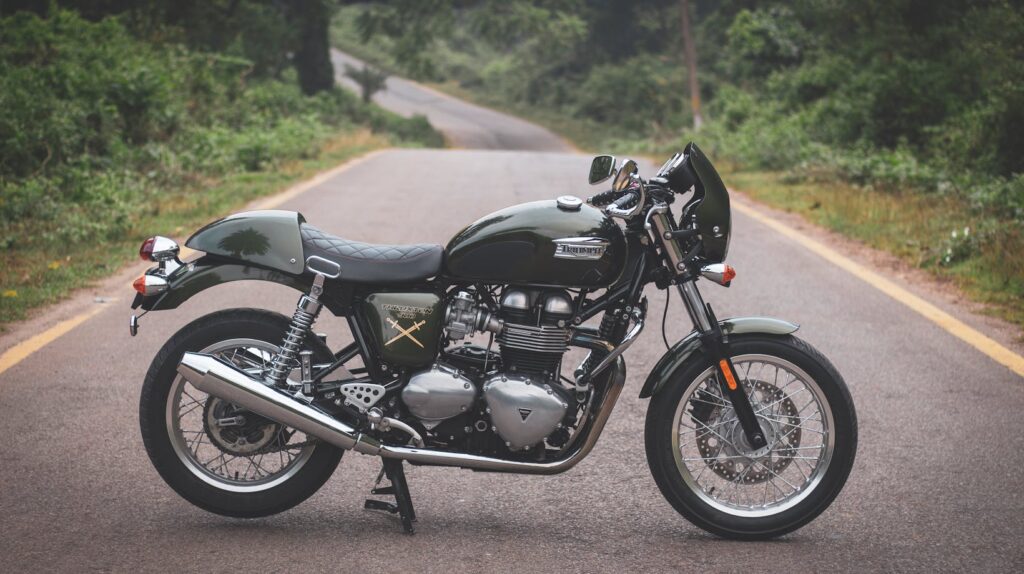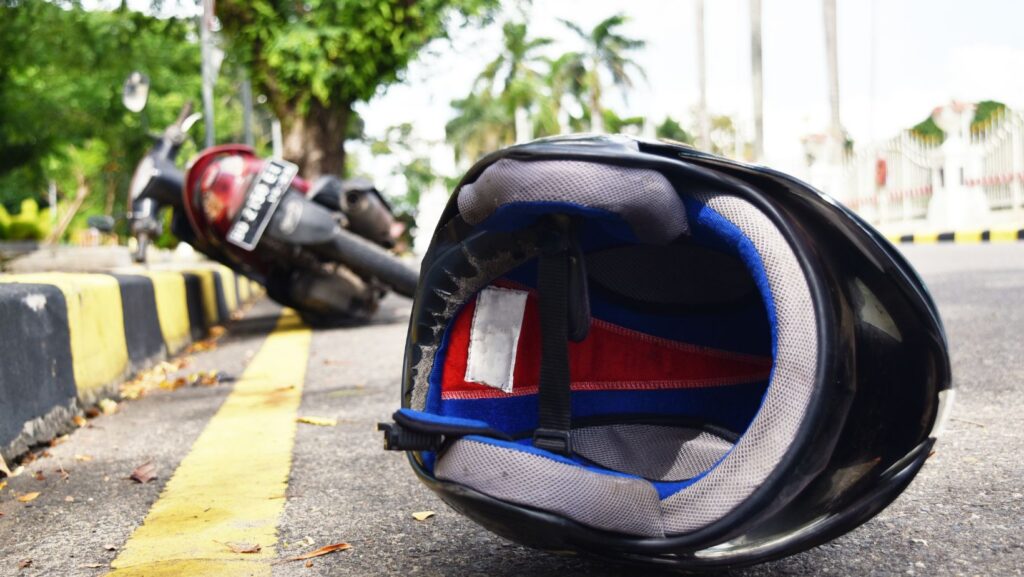
Formotor bikes com helps riders pick, customize, and maintain motorbikes for daily use. This guide gives clear buying steps, simple maintenance tasks, and practical custom ideas. It gives homeowners direct actions they can do at home. It focuses on safety, comfort, and value.
Key Takeaways
- Formotorbikes are ideal for urban riders looking for compact, fuel-efficient motorbikes that save time and lower ownership costs.
- Choosing the right formotorbike involves assessing daily routes, parking space, passenger needs, and testing engine fit and performance.
- Understanding engine types, torque, power, and safety features like ABS and traction control helps buyers select a motorbike suited to their lifestyle.
- Regular DIY maintenance such as checking brakes, tyres, oil, and chain improves safety and maintains resale value for formotorbikes.
- Adding practical customizations like ABS, secure storage, and comfortable seats enhances safety, comfort, and resale potential without compromising broad appeal.
Why Choose A Formotorbike? Who It’s Best For And Key Advantages
formotorbikes offers compact, efficient vehicles that suit tight parking and heavy traffic. A commuter saves time and fuel when they choose a smaller motorbike. A homeowner with limited garage space pays less for storage and insurance when they choose a nimble model. Urban riders value ease of parking and low running costs. Weekend riders value the same bikes for short trips and local tours. The article on common workshop tools helps readers set up a basic garage for regular checks with reliable advice from Popular Mechanics. formotorbikes suits riders who want practical transport and lower ownership costs.
How To Pick The Right Formotorbike For Your Lifestyle
formotorbikes buyers should list daily routes, parking limits, and passenger needs. They should rank priorities: fuel economy, storage, or top speed. Buyers should test-ride models that match those priorities. They should check seat height and control reach in the shop. They should confirm local licensing rules before purchase. This section breaks choice into two main considerations: engine and fit.
Engine Types And Performance Metrics To Compare
formotorbikes come with single-cylinder, twin, and liquid-cooled engines. Buyers should compare engine displacement, torque, and peak power. They should note acceleration numbers for city merges and highway passing. They should check braking specs and the presence of ABS. They should confirm traction control if they expect wet-road use. Buyers should also check weight and power-to-weight ratio. Readers can follow step-by-step DIY guides when they inspect these specs using maker tutorials on Instructables. A clear spec sheet helps buyers compare real-world suitability.
Essential Maintenance And Simple DIY Upkeep For Homeowners
formotorbikes owners should follow a clear maintenance schedule. They should check brakes, tyres, oil, and chain before rides. They should confirm tyre pressure and tread depth weekly in active months. They should change oil at manufacturer intervals. They should keep a small tool kit and torque wrench at home. Homeowners can set up a basic maintenance bay using affordable tools and benches described in Popular Mechanics. Regular records of service keep the bike safer and raise resale value.
Practical Customizations That Improve Comfort, Safety, And Resale Value
formotorbikes owners should add practical upgrades that buyers value later. Owners should prioritize ABS, traction control, and bright headlights for safety. They should add secure storage and a lockable top case for daily errands. They should choose seats with better padding to reduce fatigue. They should avoid extreme cosmetic mods that limit broad appeal. For design ideas that keep clean lines and resale appeal, owners can reference modern product looks on Design Milk. Practical upgrades usually return value at resale while improving daily use.