
Every terrain has its own personality.
Sand is playful but moody. Mud is unpredictable. Rocks ask you to slow down and pay attention. The more you ride, the more you realize each surface wants to be approached a little differently, and that’s actually half the fun.
Whether you own your own rig or you’re exploring SXS rentals to find the right fit, learning to read the landscape is a skill that grows with every ride. Here’s a friendly walk-through of what each terrain really asks of you, so your next adventure stays smooth, safe, and genuinely fun.
Sand
Sand looks soft and easy. It isn’t. The trick with sand is commitment. Remember that momentum is what keeps you moving. Going slow and cautious is actually the riskier choice because you’ll bog down.
A few essentials:
-
Air your tires down to around 10-15 psi (lower pressure helps them float over the surface instead of digging in).
-
Keep your weight centered.
-
And never crest a dune at an angle, always go straight up and over.
A dune edge you can’t see past, called a “razorback,” can drop off sharply on the other side, and cresting sideways is how rollovers happen.
Rocks
Rocks ask for the opposite of sand: slow and deliberate. You’re picking lines, choosing the exact path your tires will take, rock by rock, and using low range (the gear setting that gives you more pulling power at slower speeds) to crawl over obstacles.
Keep your thumbs on the outside of the steering wheel, not wrapped around it. If a front tire catches a rock wrong, the wheel can snap fast, and a thumb wrapped inside can break.
If you’re riding with someone, let them hop out and spot you through tricky sections. It’s how experienced riders keep their rigs off the recovery truck.
Mud
Mud is deceptive. A puddle that looks six inches deep might be two feet. Ground that looks solid at the edge might be the softest part.
Rule one: If you didn’t watch someone else ride through it first, walk it before you drive it. Probe the depth with a stick. Check for hidden rocks or submerged logs. Mud also affects brakes; once you come out, ride them gently for a minute to dry them out.
If you get stuck, don’t floor it. Spinning tires just dig you deeper. Rock back and forth slowly, use a winch if you have one, or get out and push.
Hills and steep grades
Going up is usually easier than coming down. On the way up, keep a steady throttle and go straight. No switching lines mid-climb. If you lose momentum, don’t try to turn around on the hill. Back straight down in the same line you came up.
Coming down, use engine braking (low gear, feet off the throttle, letting the engine slow you down instead of riding the brake pedal). Riding the brake down a steep hill is how you end up sliding sideways, and sideways on a slope is where rollovers happen.
Desert and open country
Wide open desert feels like the safest terrain because there’s so much space. That’s the catch. Open desert hides washes (dry stream beds that drop off suddenly), cactus patches that’ll shred a tire, and rock gardens that appear without warning. The faster you go, the further ahead your eyes should be looking.
It’s also the kind of terrain that’s worth trying in a rental before committing to your own rig. Extreme Arizona rent SXS machines built for this landscape, so you can learn how your vehicle handles desert conditions without the pressure of figuring it out on a brand-new purchase.
Gear matters as much as the machine.
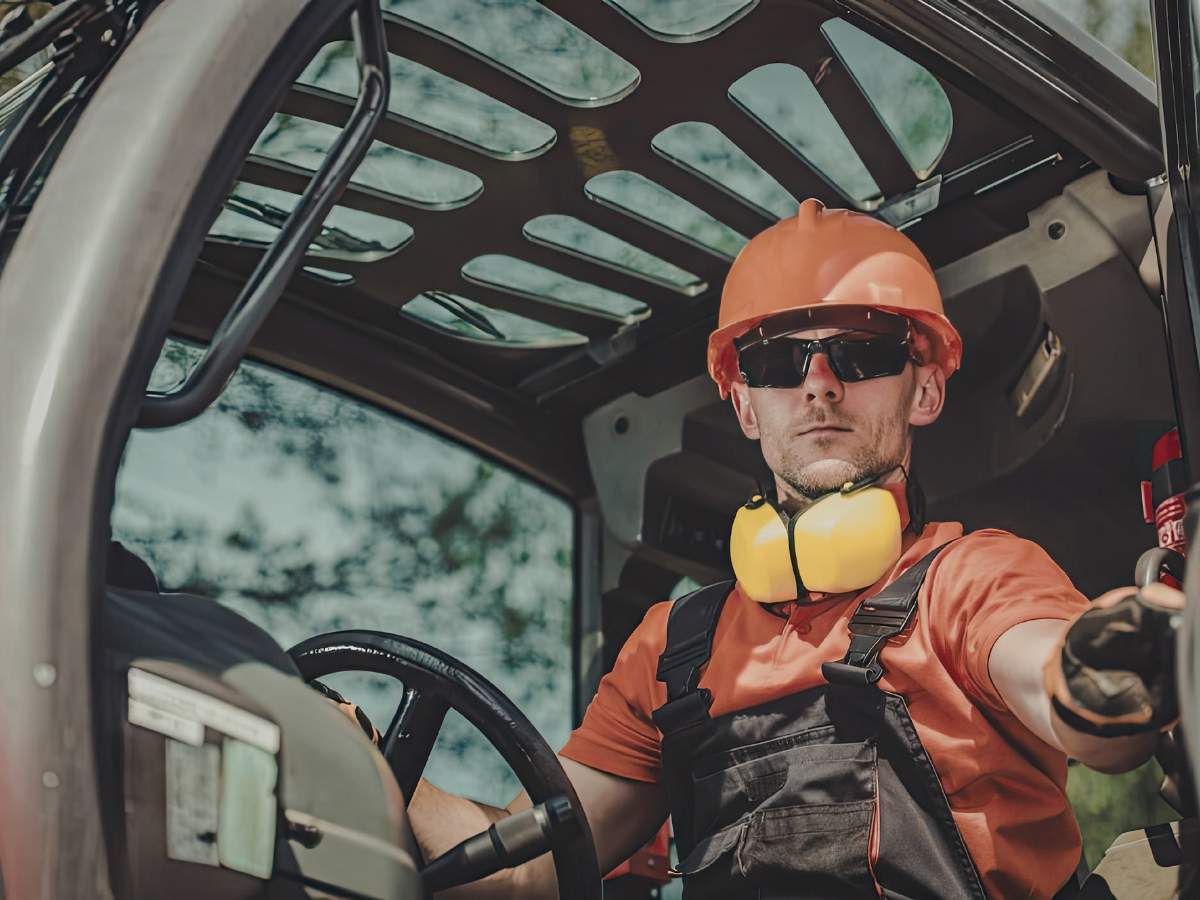
Image from Canva
This one gets overlooked. Helmet, goggles, jacket, gloves, over-the-ankle boots, and a seatbelt or harness aren’t optional.
Most serious SXS injuries aren’t from dramatic crashes. They’re from arms out during a tip-over, eye injuries from debris, or ankles broken trying to catch a roll with a foot. Gear up every ride, especially the easy ones.
The real tip
Ride the terrain in front of you, not the one you wish was in front of you. The riders who’ve been doing this for decades are the ones who read what the ground is telling them and adjust. That’s a skill that takes miles to build, but every ride adds to it.
Keep the rubber side down out there.


