
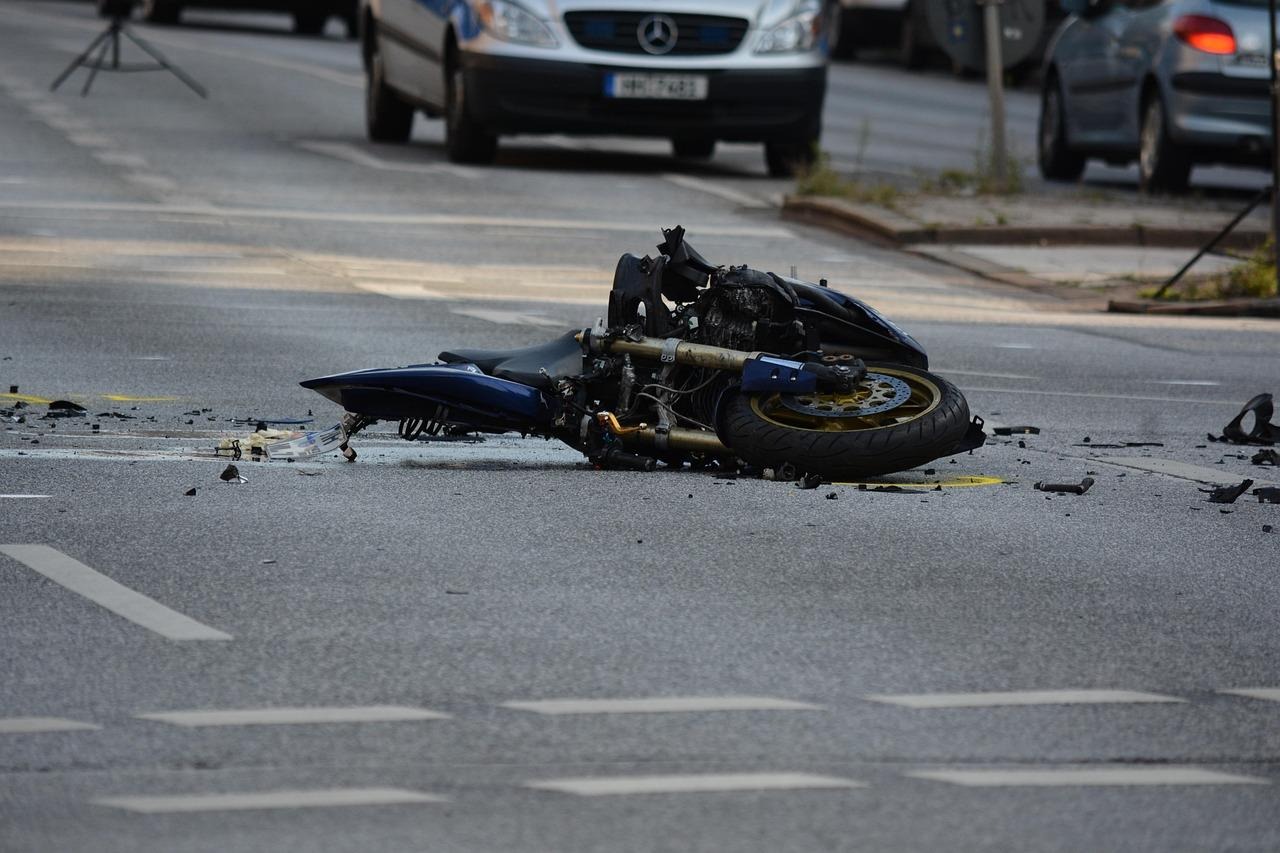
Motorcycle riding is popular in Jacksonville because of its warm climate and long stretches of open road. Many riders enjoy the sense of freedom that comes with traveling on two wheels. However, this freedom also comes with serious risks, especially on busy city streets and highways.
Recent motorcycle accident statistics show that Jacksonville continues to report a high number of motorcycle crashes each year, many resulting in severe injuries or fatalities.
Understanding what causes these crashes is an important step toward improving safety for riders and drivers alike. Motorcycle accidents rarely happen for just one reason. Instead, they are often the result of several factors happening at the same time. Below are the most common contributors to motorcycle crashes in Jacksonville.
Driver Inattention and Failure to Notice Motorcycles
One of the leading causes of motorcycle crashes is driver inattention. Motorcycles are smaller and less visible than cars, making them easier to overlook in traffic. Many drivers fail to see a motorcycle when turning at intersections, pulling out from side streets, or merging into traffic.
Left-turn accidents are especially common. A driver may misjudge the speed of an approaching motorcycle or fail to notice it entirely. Even a brief distraction, such as checking a phone or adjusting the radio, can have devastating consequences for a rider.
Speeding and Aggressive Driving
Speed plays a major role in motorcycle crashes. When vehicles travel at high speeds, drivers and riders have less time to react to sudden changes on the road. Speeding also increases the force of impact during a crash, which often leads to more serious injuries for motorcyclists.
Aggressive behaviors like tailgating, weaving between lanes, or racing through traffic further increase the danger. Jacksonville’s wide roads and highways can encourage speeding, but higher speeds significantly raise the risk of losing control or colliding with another vehicle.
Unsafe Lane Changes and Blind Spots
Unsafe lane changes are another common factor in motorcycle crashes. Motorcycles can easily disappear into a vehicle’s blind spot. Drivers who fail to check blind spots or signal before changing lanes may strike a motorcycle traveling beside them.
This issue becomes even more dangerous in heavy traffic, where vehicles frequently change lanes. A sudden lane shift can force a motorcyclist to brake hard or swerve, sometimes leading to a crash even without direct contact.
Road Conditions and Environmental Hazards
Road conditions have a much greater impact on motorcycles than on cars. Potholes, uneven pavement, loose gravel, and debris can cause a rider to lose balance or control. Jacksonville’s frequent road construction and seasonal rainstorms make these hazards more common.
Wet roads reduce traction, and painted road markings can become slippery when it rains. What might be a minor inconvenience for a car can be a serious threat to a motorcycle rider.
Impaired Driving
Alcohol and drug impairment continue to be a serious issue in motorcycle crashes. Impaired drivers may have slower reaction times, poor judgment, and reduced awareness of their surroundings. This puts everyone on the road at risk.
Impaired motorcyclists also face higher crash risks, as riding requires balance, coordination, and quick decision-making. Even small amounts of alcohol can affect a rider’s ability to control their motorcycle safely.
Rider Experience and Risky Behaviors
Some motorcycle crashes are linked to rider behavior and experience level. New or inexperienced riders may struggle with emergency maneuvers, sudden braking, or navigating traffic. Lack of proper training can make it harder to react safely in unexpected situations.
Risky behaviors such as excessive speeding, performing stunts, or riding without proper safety gear also contribute to crash severity. Helmets and protective clothing do not prevent accidents, but they can significantly reduce the risk of serious injury.
Traffic Volume and Urban Congestion
Jacksonville’s growing population means more vehicles on the road. Heavy traffic increases the chances of driver errors, sudden stops, and dangerous interactions between cars and motorcycles. Congested intersections and high-speed highways are especially hazardous for riders.
The more traffic there is, the more alert everyone needs to be. Unfortunately, not all drivers remain attentive, which increases crash risks for motorcyclists.
Summary
- Speeding and aggressive driving behaviors
- Unsafe lane changes and blind-spot issues
- Poor road conditions and weather hazards
- Alcohol or drug impairment
- Rider inexperience and risky riding habits
- Heavy traffic and urban congestion


