
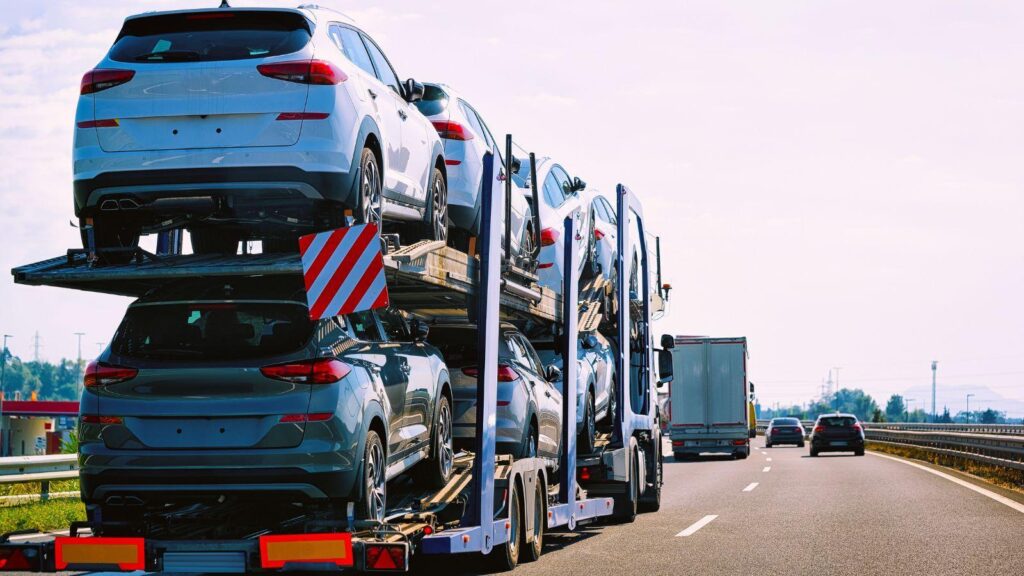
Texas generates more auto and motorcycle transport volume than almost any other state in the country. The reasons are straightforward: it is the second-largest state by area, one of the fastest-growing by population, and home to a massive riding community spread across Dallas, Houston, Austin, San Antonio, and everything in between. Whether you picked up a used Harley at an auction in Fort Worth, bought a sport bike from a private seller in Houston, or are relocating from the Austin tech corridor to California, understanding how vehicle transport works on Texas routes saves you time, money, and a lot of frustration.
Why Texas Is One of the Busiest Auto Transport States
The sheer size of Texas creates transport demand from multiple directions simultaneously. Carriers run northeast toward New York and the coastal cities, northwest toward California, east along the Gulf Coast toward Florida, and north toward Chicago and the Midwest. The result is a dense, competitive carrier network that operates year-round on most major corridors – which generally works in your favor as a shipper.
Texas also has an unusually high concentration of motorcycle enthusiasts. The Hill Country routes around Austin and Fredericksburg, the Gulf Coast runs out of Corpus Christi, and the wide-open west Texas highways draw riders from across the country. When those riders relocate, buy bikes online, or ship their motorcycle to a rally in another state, they need reliable transport options.
Motorcycle Transport From Texas – What’s Different
Shipping a motorcycle is not the same as shipping a car. A standard auto hauler can carry eight to ten vehicles at once. A motorcycle takes up a fraction of that space but requires more careful handling – manual loading, specialized wheel chocks, and proper tie-down technique to prevent the bike from shifting during transit.
There are three main transport options for motorcycles leaving Texas:
Open transport is the most affordable option. Your bike rides on an open trailer alongside other motorcycles or vehicles. For a standard cruiser, sport bike, or dirt bike in good condition, open transport is perfectly adequate. The main exposure is road dust and weather – on most Texas routes this is a non-issue for a bike you ride regularly.
Enclosed transport is the right call for anything with custom paint, significant modifications, or high collector value. Your motorcycle travels in a sealed trailer, protected from weather, debris, and UV exposure. Expect to pay 40–60% more than open rates.
Crated transport is the maximum-protection option. The bike is drained of fuel, the battery is disconnected, and it is secured inside a wooden crate and shipped as commercial freight via LTL (Less Than Truckload) carriers. Best suited for vintage restorations, show bikes, or international shipping where a fully enclosed motorcycle-specific trailer is not available.
|
Transport Type |
Avg. Texas Departure Cost |
Protection Level |
Best For |
|
Open |
$300–$700 |
Basic |
Daily riders, standard bikes |
|
Enclosed |
$500–$1,100 |
High |
Custom builds, luxury, sport bikes |
|
Crated |
$700–$1,400 |
Maximum |
Vintage, show quality, overseas |
Car Transport From Texas – 2026 Rate Overview
For those shipping a car rather than a motorcycle, Texas is one of the most cost-effective states to ship from due to high carrier density on major corridors.
|
Route |
Avg. Cost (Open, Sedan) |
Transit Time |
|
Texas → California |
$825–$1,175 |
3–6 days |
|
Texas → Florida |
$675–$950 |
2–4 days |
|
Texas → New York |
$950–$1,300 |
4–7 days |
|
Texas → Illinois |
$700–$1,100 |
3–5 days |
|
California → Texas |
$1,025–$1,350 |
3–6 days |
|
Northeast → Texas |
$950–$1,300 |
4–7 days |
Add $100–$250 for SUVs, trucks, and oversized vehicles. Add 50–70% for enclosed transport.
Before contacting any broker, run your specific origin and destination zip codes through an auto transport calculator to get a realistic market rate for your route. That number becomes your anchor – if a broker quotes dramatically below it, something is off.
Texas Pickup City – Why It Matters More Than You Think
Where you are located within Texas has a direct impact on how quickly a carrier gets assigned and what you pay.
|
Texas Origin |
Carrier Density |
Typical Pickup Wait |
|
Dallas / Fort Worth |
Very High |
1–4 days |
|
Houston |
Very High |
1–4 days |
|
San Antonio |
High |
2–5 days |
|
Austin |
High |
2–5 days |
|
El Paso |
Moderate |
3–7 days |
|
Amarillo / Lubbock |
Lower |
4–8 days |
|
West Texas rural |
Low |
5–10 days |
If you are shipping from El Paso or anywhere in west Texas, add at least 5 days to your expected pickup window. Carriers run I-10 constantly, but rural locations off the main interstate corridors require more planning.
What Drives the Price Up or Down
Understanding the pricing variables lets you make decisions that reduce your bill without changing the fundamental service.
Factors that increase cost:
- Larger or heavier vehicles – full-size trucks and SUVs add $100–$250 over sedan baseline
- Enclosed or crated transport
- Expedited pickup – needing a truck within 24–48 hours adds $100–$350
- Inoperable vehicle – winch loading adds $100–$250
- Remote pickup location in west Texas
Factors that reduce cost:
- Flexible pickup window of 5–10 days – carriers prefer flexibility and price accordingly
- Off-peak timing – late winter for northbound routes, fall for westbound
- Terminal drop-off instead of door-to-door pickup – saves $50–$150
- Collecting four to five quotes – the spread on identical routes can reach $300
Finding a Legitimate Carrier on Texas Routes
The Texas transport market has plenty of professional operators, but the industry’s low barrier to entry means bad actors exist. A few verification steps eliminate the worst-case scenarios before you pay anything.
Formotorcycle transport Texas and car shipping, comparing multiple verified carriers simultaneously gives you the clearest picture of what the market actually charges for your specific route right now.
Special Considerations for Texas Shipments
Summer heat. Texas summers regularly hit 100–110°F across most of the state. This does not affect modern vehicles in transit – they are moving at highway speed with natural airflow. For non-running motorcycles stored at Texas terminals in peak summer, arrange prompt pickup to avoid prolonged heat exposure to tires and rubber components.
Hurricane season (June–November). The Gulf Coast from Beaumont to Corpus Christi experiences tropical weather during hurricane season. During active storm advisories, carriers will delay pickups and deliveries in coastal areas. If your move involves Houston, Galveston, or Corpus Christi between June and November, build extra buffer time into your timeline.
Large vehicle prevalence. Texas has an extremely high rate of full-size trucks, lifted vehicles, and oversized configurations. If your vehicle has been lifted, has dual rear wheels, or features extended roof racks, confirm dimensions with your carrier before booking. Oversized configurations may require specialized equipment.
Rally season shipping. Texas riders frequently ship bikes to Sturgis, Daytona Bike Week, and other major national rallies. Book rally-season transport at least three to four weeks in advance – carrier availability on popular corridors fills fast during peak rally months.
Pre-Shipment Checklist for Texas Departures
Whether you are shipping a motorcycle or a car, preparation at pickup eliminates most post-delivery disputes.
|
Task |
When |
|
Photograph all surfaces in good light |
1–2 days before pickup |
|
Remove toll tags (TxTag, EZTag) from windshield |
Day before pickup |
|
Fuel level to 1/4 tank |
Day before pickup |
|
Remove all personal items from interior / saddlebags |
Day before pickup |
|
Disconnect motorcycle battery or hit kill switch |
Day of pickup |
|
Remove motorcycle mirrors, GPS, loose accessories |
Day before pickup |
|
Disable alarm system |
Day before pickup |
|
Review and sign Bill of Lading with driver |
At pickup |
|
Inspect vehicle before signing delivery BOL |
At delivery |
The TxTag and EZTag removal is worth emphasizing – if either transponder stays on the vehicle, it registers charges at every toll plaza from Texas to the destination state. On a route from Houston to Atlanta, that adds up fast.
Final Thoughts
Texas is one of the easiest states in the country to ship from or to. Dense carrier traffic on I-10, I-20, I-35, and I-45 keeps pricing competitive and dispatch times short from the major metros. The variables that require attention are your specific origin within the state, the time of year, and whether your vehicle – car or motorcycle – warrants enclosed transport for its value and condition. Get multiple quotes, verify credentials before paying anything, and handle the Bill of Lading carefully at both ends of the shipment.: