
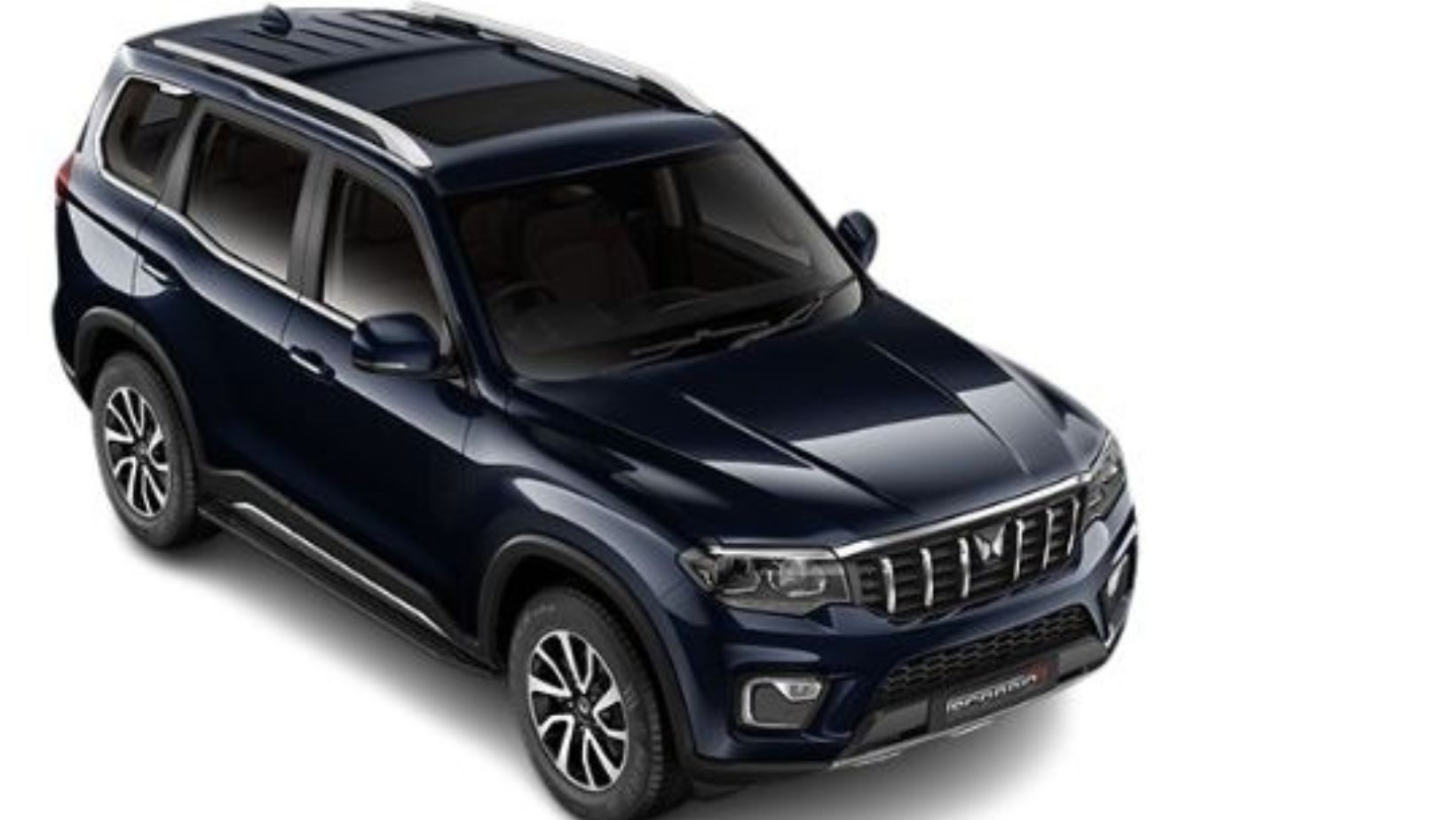
Utility-focused SUVs once dominated India’s automotive landscape. Designed primarily for durability and load-bearing capability, these vehicles were valued for their ability to perform consistently across rough roads and mixed terrains. Over time, however, the SUV segment has diversified, with many models shifting towards comfort-oriented and lifestyle-driven positioning. The Mahindra Scorpio N represents a modern interpretation of the utility-focused SUV, illustrating how this category has evolved rather than disappeared.
Understanding this evolution provides insight into how buyer priorities have changed—and how some vehicles continue to bridge traditional strengths with contemporary expectations.
From Pure Utility to Multi-Role Capability
Earlier utility SUVs were often characterised by rugged construction, minimal interior features, and straightforward mechanical systems. Their primary purpose was functional—transporting people and goods reliably under demanding conditions.
Today, buyers expect more from utility-focused vehicles. While durability remains important, modern SUVs must also deliver:
- Acceptable ride comfort for daily commuting
- Safety systems aligned with current standards
- Technology that supports navigation and connectivity
- Improved refinement without sacrificing strength
The Mahindra Scorpio N reflects this shift by retaining body-on-frame construction while incorporating comfort and digital features typically associated with urban SUVs.
The Continued Relevance of Ladder-Frame Construction
The Scorpio N is built on a body-on-frame platform, a design traditionally associated with utility and off-road vehicles. This architecture offers structural strength and load-bearing resilience, making it suitable for varied road conditions and demanding usage.
However, modern body-on-frame SUVs differ from earlier generations. Enhancements in chassis engineering and suspension tuning aim to reduce the harshness once associated with ladder-frame vehicles. The Scorpio N integrates updated suspension components and structural improvements to provide greater stability and ride control compared to earlier utility-focused SUVs.
This blend of robustness and refinement highlights how the segment has matured.
Power and Torque in a Modern Context
Utility SUVs have historically relied on torque-rich engines to handle load and uneven terrain. The Scorpio N continues this tradition with petrol and diesel engine options designed to provide strong low and mid-range torque.
What differentiates modern iterations is the addition of transmission choices and electronic assistance. Automatic gearboxes and drive modes expand usability beyond rural and semi-urban contexts, allowing the vehicle to function comfortably in city environments as well.
In this way, the Scorpio N reflects how utility-focused SUVs now serve broader usage patterns without abandoning their foundational characteristics.
Safety Expectations Have Shifted
One of the most significant changes in the evolution of utility SUVs is the growing emphasis on safety. Earlier models often prioritised structural durability over electronic safety systems.
Today’s buyers expect a combination of both. The Scorpio N incorporates multiple airbags, electronic stability systems, and advanced driver assistance features in higher variants. This integration illustrates how safety has become an integral component of utility vehicles rather than a secondary consideration.
For buyers, this means they no longer have to choose between toughness and protection.
Interior Comfort and Technology Integration
Another area of evolution lies in interior design. Traditional utility SUVs were functional but sparse. Modern buyers, however, expect comfortable seating, climate control, infotainment systems, and connected technology even in rugged vehicles.
The Scorpio N demonstrates this transition by offering features such as a large infotainment display, connected vehicle functions, and improved cabin materials. These additions do not redefine it as a lifestyle SUV but ensure it remains competitive in a segment where expectations have broadened.
Utility-focused SUVs are now expected to feel complete rather than basic.
How Buyers Evaluate Utility SUVs Today
The evaluation process for utility-focused SUVs has become more structured and research-driven. Buyers now compare durability, capability, and safety alongside comfort and ownership costs.
On platforms such as ACKO Drive, which allow users to buy cars online while also providing expert reviews and side-by-side comparisons, vehicles like the Scorpio N are assessed not only for their rugged credentials but also for their long-term ownership suitability. This digital-first research approach reflects how buyers balance tradition with modern practicality.
The Broader Implications for the SUV Segment
The evolution of utility-focused SUVs suggests that the market is not abandoning rugged vehicles but refining them. Rather than replacing ladder-frame SUVs with crossovers, manufacturers are adapting them to meet contemporary expectations.
Vehicles like the Scorpio N demonstrate that:
- Durability remains relevant
- Body-on-frame platforms still serve distinct needs
- Buyers expect safety and comfort alongside capability
This coexistence of traditional and modern design philosophies reflects the diversity of usage patterns across India.
Conclusion
The Mahindra Scorpio N represents the evolution of the utility-focused SUV rather than its decline. By combining ladder-frame strength with improved comfort, safety, and technology, it bridges the gap between traditional ruggedness and modern usability.
As the SUV market continues to diversify, vehicles that adapt without losing their core identity are likely to remain relevant. The Scorpio N illustrates how utility-focused SUVs have matured—retaining their purpose while responding to the expectations of today’s buyers.


