

Speed has always been part of the appeal of riding a motorcycle, but when riders push beyond safe limits, the consequences can be severe. Speeding reduces reaction time, increases stopping distance, and amplifies the force of impact during a crash. It also limits a rider’s ability to navigate curves, avoid hazards, and maintain control in unpredictable traffic environments. For these reasons, speeding remains one of the leading contributors to serious motorcycle accidents across the United States. Understanding how speed affects rider safety is essential for both experienced motorcyclists and those new to the road.
Why Speeding Is Especially Dangerous for Motorcyclists
Unlike drivers in enclosed vehicles, riders do not have the protection of doors, airbags, or reinforced frames. The body absorbs most of the impact during a crash, which is why high-speed motorcycle collisions are so frequently catastrophic. Even protective gear, while essential, cannot counteract the intense forces created by excessive speed.
Reduced Reaction Time
At higher speeds, riders have less time to identify hazards and make quick decisions. A vehicle braking abruptly, a pedestrian stepping into the road, or debris appearing around a bend requires immediate action. When traveling faster than conditions allow, a rider may not be able to react in time. Investigators often find that riders involved in high-speed crashes saw the danger only seconds before impact, leaving no room to correct their course.
Increased Stopping Distance
Stopping distance grows exponentially with speed. A motorcycle traveling at 30 mph may come to a full stop within a reasonable distance when braking properly, but at 60 mph, the distance more than doubles. This creates serious challenges when navigating urban streets, heavy traffic, or highways with unpredictable flow. Even skilled riders struggle to brake effectively when traveling too fast for road conditions, especially if the surface is uneven or wet.
How Speed Impacts Motorcycle Stability
Speed affects a motorcycle differently than it affects a passenger vehicle. Two-wheeled machines require balance, precise control, and awareness of physics. As speed increases, the bike’s handling characteristics change. Small movements become amplified, and a rider’s margin for error shrinks.
Difficulty Maneuvering Through Curves
Curves demand careful speed management. When a motorcycle enters a curve too quickly, the rider may misjudge the lean angle needed to stay on course. Exceeding the critical speed for a curve often triggers a loss of traction or causes the bike to drift wide into oncoming traffic or off the road. Many single-vehicle crashes occur when riders miscalculate turns and cannot regain control in time.
Higher Risk of Losing Traction
Excessive speed increases the force placed on tires during acceleration, braking, and cornering. When tire grip cannot keep up with those forces, skids and slides become more likely. Even slight imperfections in the road—such as sand, gravel, or uneven pavement—can destabilize a fast-moving bike. Riders who speed often underestimate how quickly traction can disappear when conditions shift unexpectedly.
The Role of Speed in Collision Severity
Speeding not only increases the likelihood of a crash but also amplifies its severity. Faster collisions produce greater impact forces, resulting in more serious injuries.
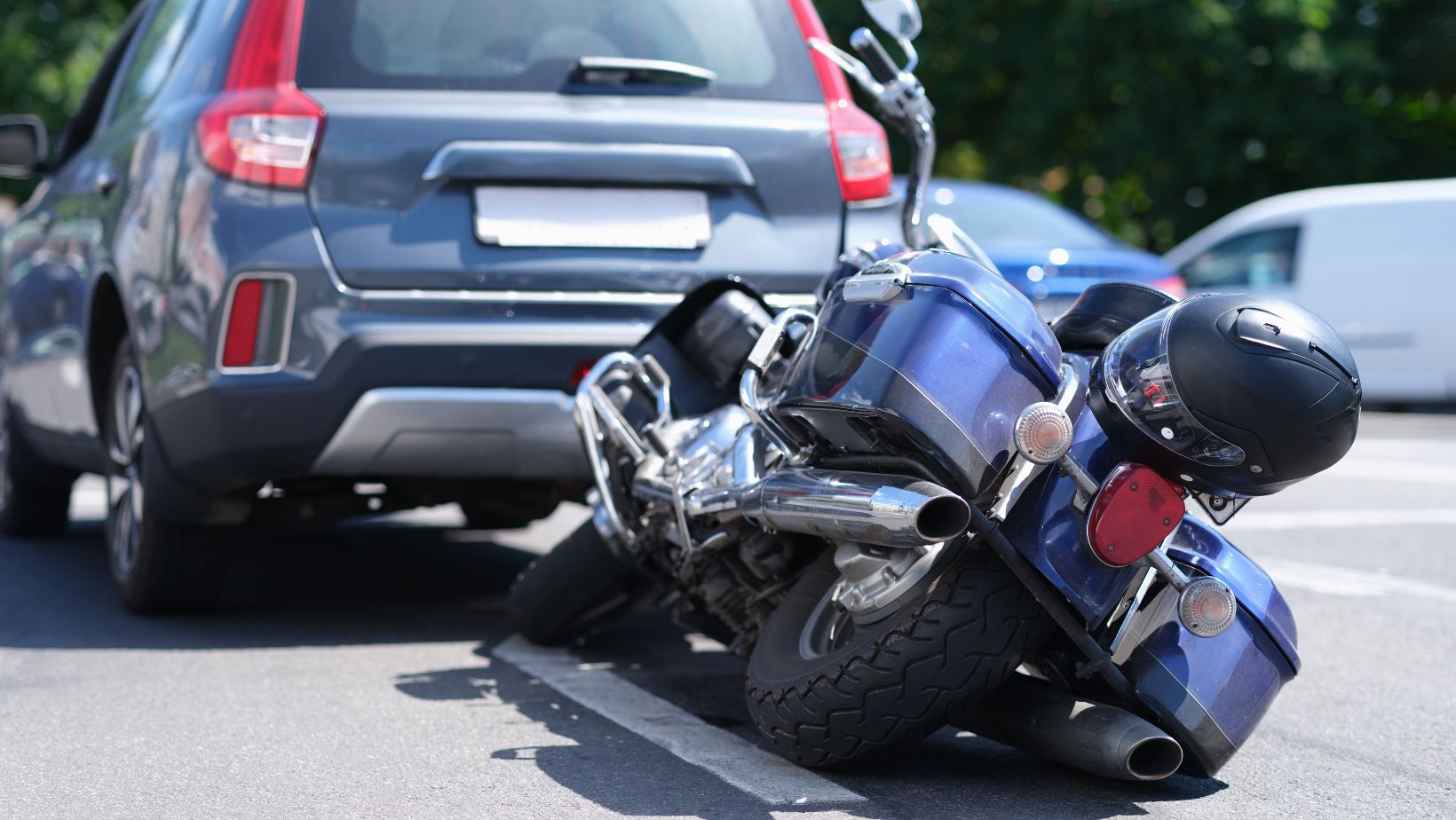
Emergency responders routinely observe that even well-equipped riders are vulnerable to fractures, internal injuries, and head trauma in high-speed crashes.
Limited Protection for the Rider
Motorcycles do not have crumple zones or protective barriers. When a high-speed impact occurs, the rider often absorbs the full force. The lack of external protection makes speeding particularly dangerous, which is why families of injured riders often work with a Chicago motorcycle accident lawyer who understands the long-term medical and financial implications of these collisions.
Greater Likelihood of Multiple-Vehicle Crashes
Speeding increases the chances of becoming involved in multi-vehicle accidents. Because speeding riders require more time and distance to react, they are more likely to collide with vehicles that stop suddenly, turn unexpectedly, or change lanes. Multi-vehicle crashes tend to be more severe, especially when larger vehicles are involved.
Environmental and Road Factors That Magnify Speed Risks
Speeding becomes even more dangerous when combined with environmental conditions. Weather, road design, and visibility can turn a manageable situation into a hazardous one.
Weather Conditions
Rain, snow, fog, and strong winds significantly affect tire grip and visibility. A rider who continues at high speed during poor weather risks hydroplaning, skidding, or losing control. Wet pavement drastically reduces traction, and motorcycle tires—while engineered for performance—cannot compensate for unsafe speeds on slick surfaces.
Limited Visibility
Speeding reduces a rider’s ability to recognize hazards in low light, heavy traffic, or obstructed-road environments. Night riding requires slower speeds due to limited depth perception and shorter headlight reach. Riders who exceed safe speeds at night often fail to spot hazards until it is too late.
Speeding and Rider Behavior
Speeding can stem from overconfidence, peer influence, emotional stress, or simply misunderstanding the risks. Some riders view speed as part of the thrill, while others misjudge how quickly road conditions can change. Training courses emphasize that safe riding depends on knowing when to moderate speed, not just how to operate the bike.
Emotional and Cognitive Factors
Riding at high speeds affects a rider’s mental processing. With less time to evaluate surroundings, the brain becomes overloaded. This may lead to delayed decisions or misjudgments. Riders who speed due to frustration, adrenaline, or distraction are more likely to make risky choices, resulting in preventable accidents.
Legal Implications of Speed-Related Motorcycle Accidents
Speeding not only increases the likelihood of injury—it also affects legal outcomes. Insurance companies may argue that excessive speed contributed to the crash, reducing potential compensation. Riders facing these challenges often seek assistance from a trusted motorcycle accident attorney who can help establish the full context of the crash and protect their claim.
Determining Fault and Liability
Police reports, witness statements, and accident reconstruction often play critical roles in determining fault. When speeding is involved, investigators look closely at whether the rider was going too fast for the conditions, even if they were within posted speed limits. Legal representation becomes important when there are questions about comparative negligence or when multiple parties may share responsibility.
Long-Term Consequences for Injured Riders
Speed-related crashes frequently involve serious injuries requiring extensive medical care. Hospitalization, surgeries, therapy, and long-term disability can follow. These injuries affect earning capacity and quality of life, making fair compensation especially important. Navigating insurance disputes or settlement negotiations without guidance can be overwhelming, which is why many riders turn to legal support.
Strategies to Reduce Speed-Related Motorcycle Accidents
Preventing accidents requires a combination of rider education, awareness, and responsible decision-making. Riders should stay alert to road conditions, practice advanced braking techniques, and avoid pushing beyond their comfort zone. Training programs help riders develop defensive strategies and understand how speed interacts with motorcycle physics.
Building Better Riding Habits
Consistent practice and situational awareness help riders maintain control at appropriate speeds. Understanding how to safely exit curves, respond to hazards, and anticipate traffic behavior creates a safer riding environment. Adopting safe speed habits not only protects the rider but also contributes to safer roads for everyone.


