
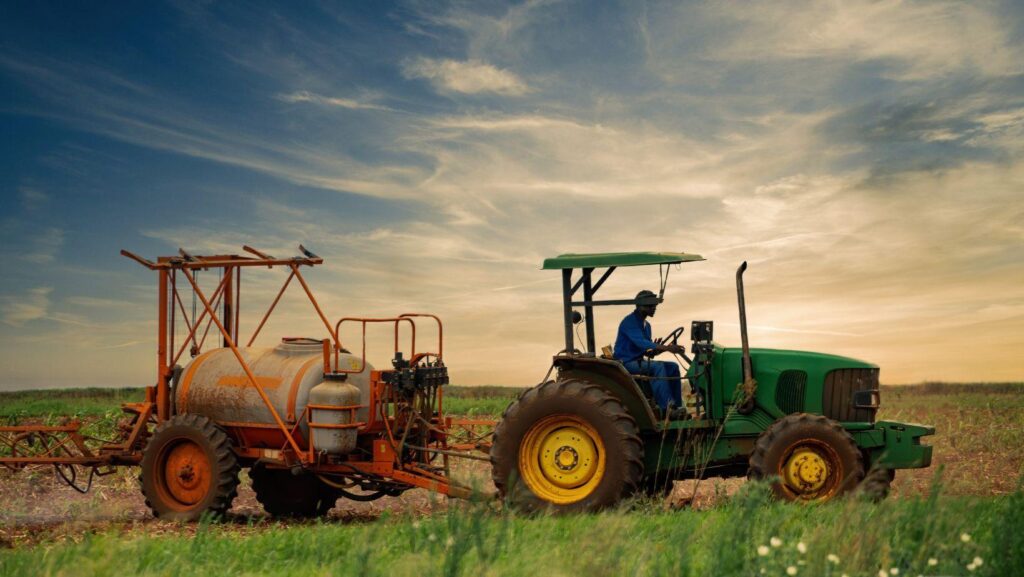
Modern farming depends on uptime. When a tractor won’t start during planting, or a baler goes down in the middle of hay season, the problem is rarely just mechanical. It becomes a timing issue, a labor issue, and ultimately a profitability issue. Good equipment care, then, isn’t only about keeping machines clean and greased. It’s about building a system around maintenance so small problems don’t turn into expensive disruptions.
That system starts with resources. Not flashy technology or unnecessary extras, but the practical tools and references that help farmers make sound decisions quickly. Whether you run a small mixed operation or manage a larger fleet across multiple fields, a few core resources can make equipment care far more consistent and far less reactive.
Start With the Basics: Information, Records, and Routine
Too often, maintenance issues come down to missing information. A filter gets replaced with the wrong specification. A belt is tensioned improperly. Hydraulic fluid gets mixed because no one checked the recommended type. These aren’t dramatic failures, but they’re exactly the kind of avoidable mistakes that shorten equipment life.
Reliable service documentation
Every farm should have immediate access to model-specific service information for its key machines. That includes operator manuals, parts references, maintenance schedules, and repair procedures. It sounds obvious, yet many operations still rely on memory, handwritten notes from the previous owner, or whatever can be found online in a hurry.
That approach works until it doesn’t. As machinery becomes more specialized, the margin for guesswork gets smaller. Clear documentation helps with everything from torque specs to troubleshooting electrical systems, and it reduces the risk of unnecessary repairs.
A maintenance log that people actually use
A maintenance log doesn’t need to be sophisticated. It just needs to be current. For each machine, record service dates, engine hours, replaced parts, fluid changes, recurring issues, and seasonal inspections. Over time, those records reveal patterns. You may notice a particular combine bearing tends to fail before harvest, or that a loader’s hydraulic hose needs replacement on a predictable cycle.
This is also valuable when more than one person operates or services equipment. Good records create continuity, especially on farms where work is shared across family members, employees, or outside mechanics.
Keep the Right Technical Resources Within Reach
Once the basics are in place, the next step is making technical information easy to access when you need it most: in the shop, at the field edge, or during a tight weather window.
Manuals and specifications on demand
A common frustration in equipment care is losing time looking for information that should be easy to find. Instead of hunting through filing cabinets or piecing together advice from forums, many farmers now keep digital references for their main machines. Being able to quickly access OEM manuals for agricultural machinery can make routine service more accurate and emergency troubleshooting much faster, especially when working with older or less common models.
That matters more than ever because farm equipment is not getting simpler. Even machines that seem mechanically straightforward often include more sensors, electronics, and model-specific service procedures than they did a decade ago. Accurate documentation is no longer a nice-to-have; it’s part of basic risk management.
Diagnostic tools suited to your fleet
Not every farm needs advanced dealer-level diagnostics, but every farm benefits from a few well-chosen tools. A quality multimeter, grease gun, battery tester, torque wrench, and hydraulic pressure gauge can solve more problems than people think. For operations running newer equipment, a scan tool or brand-compatible diagnostic interface may also be worth the investment.
The key is to match tools to the machines you actually run. A drawer full of generic tools is less useful than a smaller set chosen around your most common maintenance tasks.
Build a Support Network Before Something Breaks
Equipment care is easier when help is already lined up. The worst time to figure out who can source a hard-to-find part or make an urgent in-field repair is after a breakdown has already stopped work.
Trusted parts and service contacts
Every farmer should keep a short list of dependable contacts, including:
- a primary parts supplier
- a backup supplier for urgent or uncommon items
- a local mechanic or service technician
- a tire service contact
- a machine dealer familiar with your main brands
- a machine shop for fabrication or repair work
This kind of network reduces downtime because decisions happen faster. Instead of starting from scratch, you already know who to call, what they stock, and how quickly they can respond.
Peer knowledge still matters
There’s also real value in talking with neighboring farmers, equipment operators, and local technicians. They often know which aftermarket parts hold up, which seasonal failures are common in certain models, and which repairs are worth doing proactively. Practical field knowledge can’t replace manuals or measurements, but it often adds context that formal documentation doesn’t provide.
Don’t Overlook Storage, Cleanliness, and Inspection
Some of the most important equipment-care resources aren’t technical at all. They’re environmental.
Covered storage and clean work areas
If machinery sits exposed to the elements year-round, wear accelerates. Sun damages hoses and seats. Moisture affects wiring, bearings, and fuel systems. Rodents get into cab insulation and electrical harnesses. Covered storage won’t eliminate maintenance issues, but it prevents many of the slow, costly ones.
The same goes for the workspace itself. A clean, organized service area makes it easier to spot leaks, keep track of parts, and complete jobs properly. When maintenance feels chaotic, it’s more likely to be postponed or rushed.
Seasonal inspection checklists
Inspection is one of the simplest and most overlooked resources in equipment care. Before planting, before harvest, and before winter storage, each machine should go through a structured check. Look at tires, belts, chains, bearings, fluids, wiring, lights, and safety equipment. Test the machine under load if possible. Catching a weak battery in the shed is far better than discovering it on a cold morning when labor and weather are already working against you.
The Best Resource Is a Preventive Mindset
At its core, equipment care is about reducing uncertainty. The right resources don’t just help you fix what’s broken; they help you spot problems earlier, service machines more accurately, and make better use of your time.
That’s what separates preventive maintenance from constant firefighting. Farmers who care for equipment well usually aren’t doing anything glamorous. They have the right information, the right records, the right tools, and the right people around them. Then they use those resources consistently.
And in agriculture, consistency is often what keeps a manageable season from becoming a stressful one.