

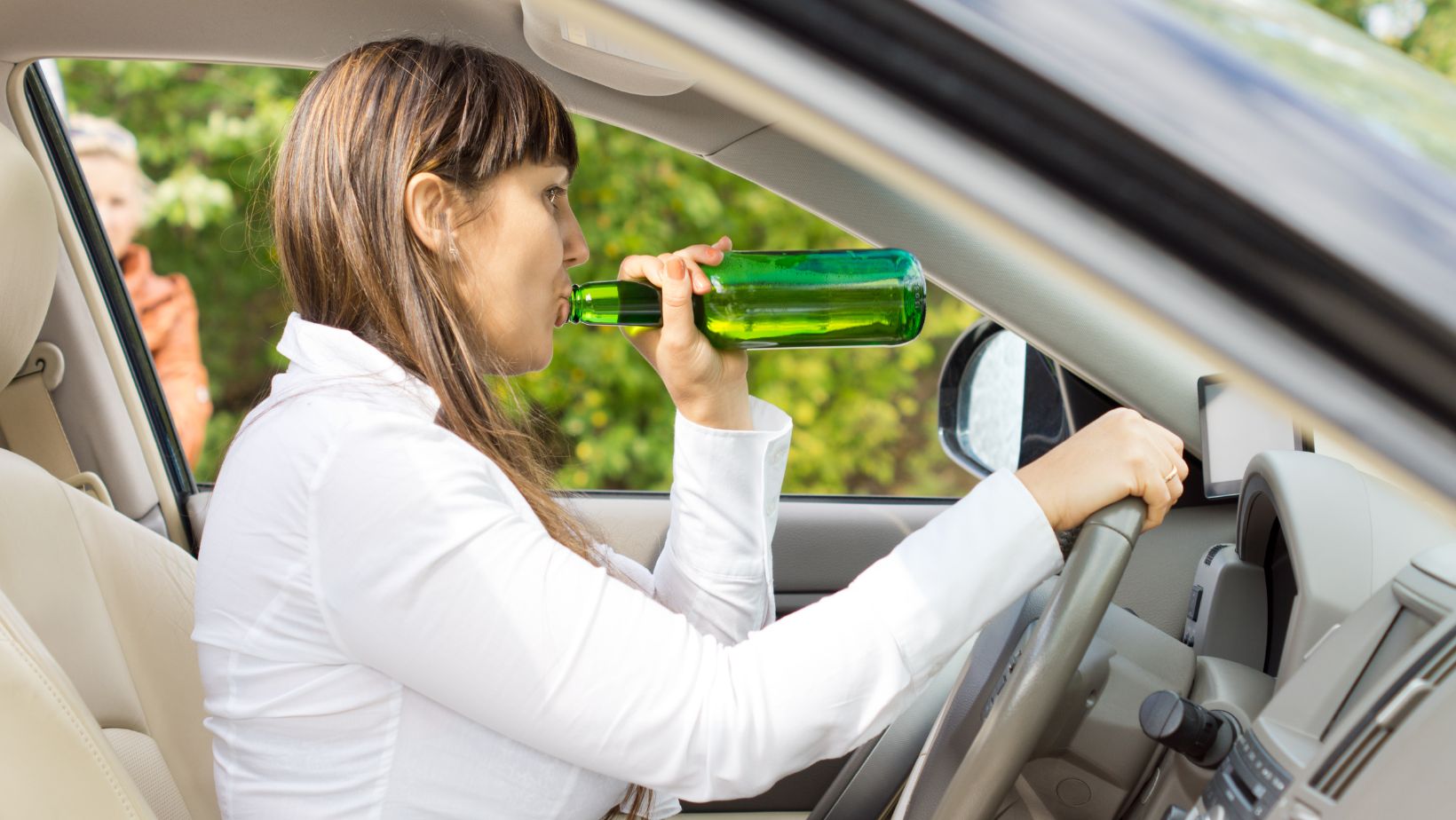
A person dies from drunk driving in the United States every 39 minutes. Alcohol-impaired driving crashes accounted for 13,384 deaths in 2021, which was 31% of total traffic fatalities. These avoidable tragedies create lasting effects that reach deeply into families, communities, and the entire society.
Inside This Guide
- Understanding the Scale of Drunk Driving
- Key Prevention Strategies That Work
- The Role of Technology and Innovation
- Community-Based Solutions
- Legal Consequences and Enforcement
- Resources for Those Affected
Understanding the Scale of Drunk Driving
America faces a severe drunk driving crisis as statistics reveal its catastrophic effects. Recent statistics reveal that young adults aged 21-34 experience the greatest risk because they represent 27% of drivers involved in fatal crashes. Male drivers face a fourfold greater risk of alcohol-impaired fatal crashes when compared to female drivers.
The most disturbing statistic is that drivers with a BAC of 0.15 g/dL or more caused 67% of alcohol-impaired driving deaths in 2021 which exceeds the legal limit by almost double. The data reveals an urgent requirement for efficient prevention strategies alongside adequate support systems. When you or someone you know faces the consequences of a drunk driving incident you can seek legal representation from attorneys who specialize in drunk driving cases to discover your legal options and rights.
Key Prevention Strategies That Work
Preventing drunk driving demands multiple strategies including educational efforts alongside law enforcement and active community participation. The following methods have demonstrated significant effectiveness in preventing drunk driving incidents.
Ride-Sharing Services and Alternative Transportation
Ride-sharing services have transformed our methods for stopping drunk driving incidents. Research indicates that ride-sharing services have achieved a 6.1% decrease in alcohol-related traffic fatalities and a 4% decline in total traffic deaths. Choosing alternative transportation methods has saved thousands of lives through this basic decision.
Designated Driver Programs
Among grassroots initiatives for drunk driving prevention, designated driver programs stand out as the most effective solution. These programs work by:
- Encouraging advance planning for safe transportation
- Creating social responsibility within friend groups
- Offering incentives at participating establishments
- Education efforts to promote understanding about the necessity of driving without alcohol impairment
Enhanced Law Enforcement Efforts
Drunk driving prevention strongly depends on multiple law enforcement activities.
- Regular sobriety checkpoints in high-risk areas
- Increased patrols during peak drinking hours
- Swift and consistent enforcement of DUI laws
- Public education and awareness campaigns
The Role of Technology in Prevention
Modern technology serves as a powerful tool in combatting drunk driving. Modern vehicle systems have the capability to identify signs of driver impairment and initiate preventive measures. Several leading technological solutions show great promise for addressing this issue.
Ignition Interlock Devices
Drivers must successfully complete a breath test through these advanced devices before they can start their vehicle. Ignition interlock devices have demonstrated significant success in stopping repeat offenses among DUI offenders and they currently function as compulsory requirements in numerous regions.
Driver Monitoring Systems
Advanced artificial intelligence systems combined with sensor technology now allow detection of impaired driving behavior through various indicators.
- Erratic steering patterns
- Inconsistent speed control
- Lane departure incidents
- Delayed reaction times
The systems alert drivers or activate protective measures when signs of impairment are detected.
Mobile Applications
Smartphone applications play an essential role in preventing drunk driving through different features.

- Mobile applications calculate blood alcohol content by analyzing the amount of alcohol consumed.
- Providing one-click access to ride-sharing services
- These apps let friends monitor each other’s safe arrival home.
- Locating nearby public transportation options
Community-Based Solutions
Active participation and support from the community are essential elements needed to create sustainable changes. Community-based prevention programs which succeed utilize a combination of multiple methods.
Education and Awareness
Local organizations serve as essential partners in educating the public about the dangers of drunk driving.
- School-based prevention programs
- Workplace safety initiatives
- Public awareness campaigns
- Victim impact panels
Safe Ride Programs
Communities across various regions have established effective safe ride programs that:
- Operate during peak drinking hours
- Partner with local businesses and establishments
- Provide free or low-cost transportation options
- The training of volunteers and staff should focus on proper passenger management techniques for safety.
The effectiveness of these programs increases during holidays and special events when drunk driving incidents become more common.
Legal Consequences and Enforcement
Knowledge of drunk driving legal consequences functions as an effective preventive measure. Law enforcement agencies together with legal systems throughout the country have enacted more rigorous measures to fight this issue.
Penalties and Consequences
First-time DUI offenders typically face:
- License suspension or revocation
- Substantial fines and court costs
- Mandatory alcohol education programs
- Possible jail time
- Increased insurance premiums
Repeat offenders face even harsher penalties, including:
- Extended license revocation periods
- Mandatory installation of ignition interlock devices
- Felony charges with significant prison time
- Vehicle confiscation
- Permanent criminal record
Enhanced Enforcement Strategies
Law enforcement agencies now utilize advanced techniques to detect and capture drivers who operate vehicles while under the influence of alcohol or drugs.
- Advanced roadside testing equipment
- Strategic checkpoint placement using data analytics
- Specialized training for officers in impairment detection
- Coordinated multi-agency enforcement efforts
The combination of targeted enforcement strategies with immediate and predictable penalties effectively lowers repeat offenses and prevents potential drunk drivers from driving under the influence.
Support and Resources
Many organizations and resources exist to help those impacted by drunk driving through support services and guidance. People dealing with drunk driving consequences can find help through legal aid services as well as emotional support groups.
Support Organizations
Several national organizations provide comprehensive support services:
- Victim advocacy and counseling
- Support groups for survivors and families
- Educational programs and prevention resources
- Emergency assistance and crisis intervention
- Legal guidance and referrals
Prevention Resources
Various prevention tools and programs are available for communities to access.
- Educational materials and curriculum guides
- Public awareness campaign materials
- Training programs for businesses and organizations
- Data and research for policy development
- Implementation guides for prevention programs
Recovery and Rehabilitation
People experiencing alcohol dependency can access multiple treatment programs.
- Inpatient and outpatient treatment programs, including options available through a luxury rehab setting
- Counseling and therapy services
- Support groups and peer mentoring
- Medication-assisted treatment options
- Aftercare and relapse prevention programs
Planning for the Future
Continuously adapting our approach and maintaining dedication is vital for combating drunk driving. Our approach to effective prevention strategies must evolve alongside technological advancements.
Embrace Innovation
Future developments in prevention may include:
- Advanced vehicle safety systems
- Real-time impairment detection technology
- Improved mobile applications for prevention
- Enhanced data analytics for enforcement
- Integration of artificial intelligence in prevention strategies
Strengthen Community Engagement
Successful prevention requires sustained community effort through:
- Partnerships between public and private sectors
- Coordination among law enforcement agencies
- Engagement with local businesses and organizations
- Support for grassroots prevention initiatives
- Regular evaluation and improvement of programs
Taking Action Against Drunk Driving
The fight to stop drunk driving needs active participation from all people in society. No matter if you are an individual citizen or someone who leads within a community or business setting you can take specific actions to create change.
Individual Actions
Each person has the ability to help prevent drunk driving through their actions.
- Planning ahead for transportation when drinking
- Volunteering with local prevention organizations
- Supporting and promoting designated driver programs
- Intervene when you notice someone trying to drive while impaired.
- Get your friends and family to utilize ride-sharing services for safer transportation.
Business Leadership
Businesses serve as essential partners in prevention by:
- Training staff in responsible beverage service
- Implementing safe ride programs for employees
- Partnering with transportation services
- Supporting local prevention initiatives
- Creating workplace policies that address impaired driving
Putting It All Together
Each person must participate in stopping drunk driving. While the statistics show the difficult obstacle we face the answer to solving it remains accessible to us. Following this guide’s strategies will enable us to make significant changes.
- Leveraging technology and innovative solutions
- Supporting community-based prevention programs
- Enforcing strict legal consequences
- Providing comprehensive support resources
- Taking individual and business responsibility
Every drunk driving incident that is prevented results in lives being saved and families staying safe from tragedy. By committing ourselves to these prevention strategies and maintaining our dedication we will build safer roads and stronger communities for all people.