
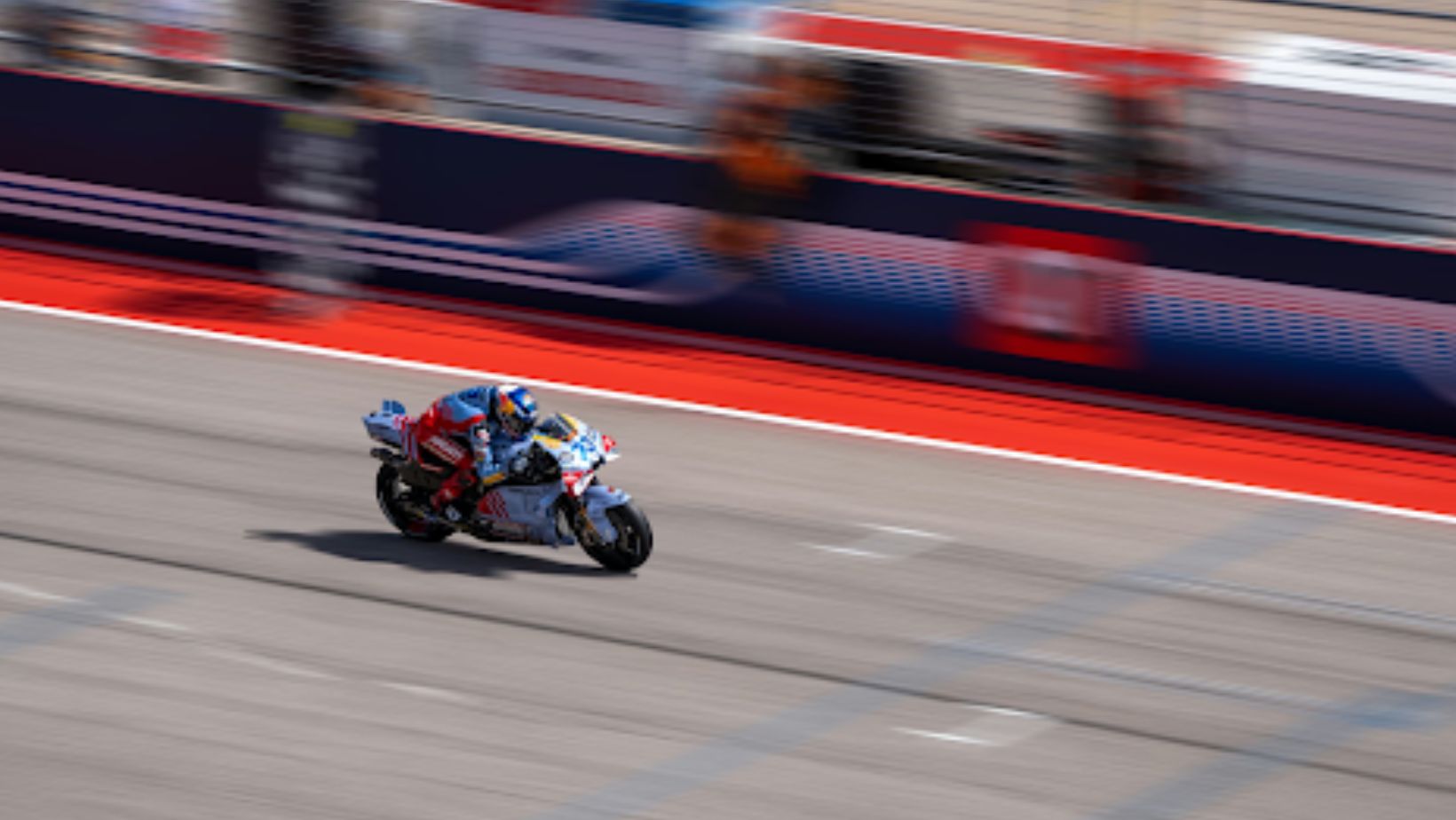
While motorsport looks chaotic, it runs on math. Every weekend drops thousands of data points: sectors, tires, weather, radio chatter, physics in motion. Fans who spot the patterns stop seeing randomness and start enjoying more.
Canadian fans often sit right in that sweet spot between “I just enjoy the show” and “I want to understand why this stint matters.” The sport now comes bundled with timing apps, radio clips, onboard data, fantasy leagues, and plenty of adjacent digital entertainment that lives around the race. For anyone who wants a neutral reference point on the gaming side of that ecosystem, check rg.org/en-ca/casinos as a simple informational directory without turning race talk into a sales pitch.
The core skill is simple: separate signal from spectacle. Once you do that, strategy swings start to look like something you can read, not something you just react to.
The Hidden Scoreboard: Where Races Are Actually Won
A race is not one continuous contest of speed. It’s a chain of mini-games where the rules change depending on tire life, fuel load, track position, and temperature. The result is that the “fastest” car is not always the “most advantaged” car at every phase.
Start with tire behaviour. In most top series, tires are designed to degrade, and performance falls off in a curve rather than a straight line. That means lap time deltas often tell you more than raw lap time, especially when two drivers are on different tire ages. If one driver’s pace drop is gentle while another falls off a cliff, the strategy options diverge immediately.
Track position is the second hidden scoreboard. Clean air can be worth more than a small pace advantage, while dirty air and turbulence can chew tires and raise temperatures. On circuits where passing is hard, the race is often decided by who avoids traffic at the right moment, not who has the absolute quickest lap.
The practical takeaway is that race “momentum” is often visible a few laps before it becomes obvious on TV. If you track who is gaining or bleeding tenths consistently, the upcoming strategic fork usually announces itself early.
Qualifying Is A Clue, Not A Conclusion
Qualifying is a speed contest with a hidden layer. A front-row time can mask long-run fragility, while a modest position can signal tire-friendly genius. Pattern-seekers use it to ask better questions, not declare winners.
A useful habit is to compare three things: single-lap pace, long-run pace, and overtaking difficulty at that venue. If a circuit punishes following closely, a front-row start is amplified. If the track allows passing and tire wear is high, the advantage of starting first can shrink quickly.
Another clue sits in the gaps. When the field is tightly bunched, small changes in conditions can shuffle outcomes, especially if wind direction or track temperature shifts. When the gaps are large, it usually signals a more stable hierarchy, where strategy has to be sharper to flip the order.
This is why qualifying narratives can mislead casual viewers. Motorsport rewards fans who ask, “What does that lap time cost?” rather than “How fast was it?”
The Strategy Swing Toolkit: Cues To Watch In Live Racing
Most strategic turning points fall into repeatable categories. You do not need a team’s pit wall to recognize them, but you do need a checklist that’s grounded in how races unfold.
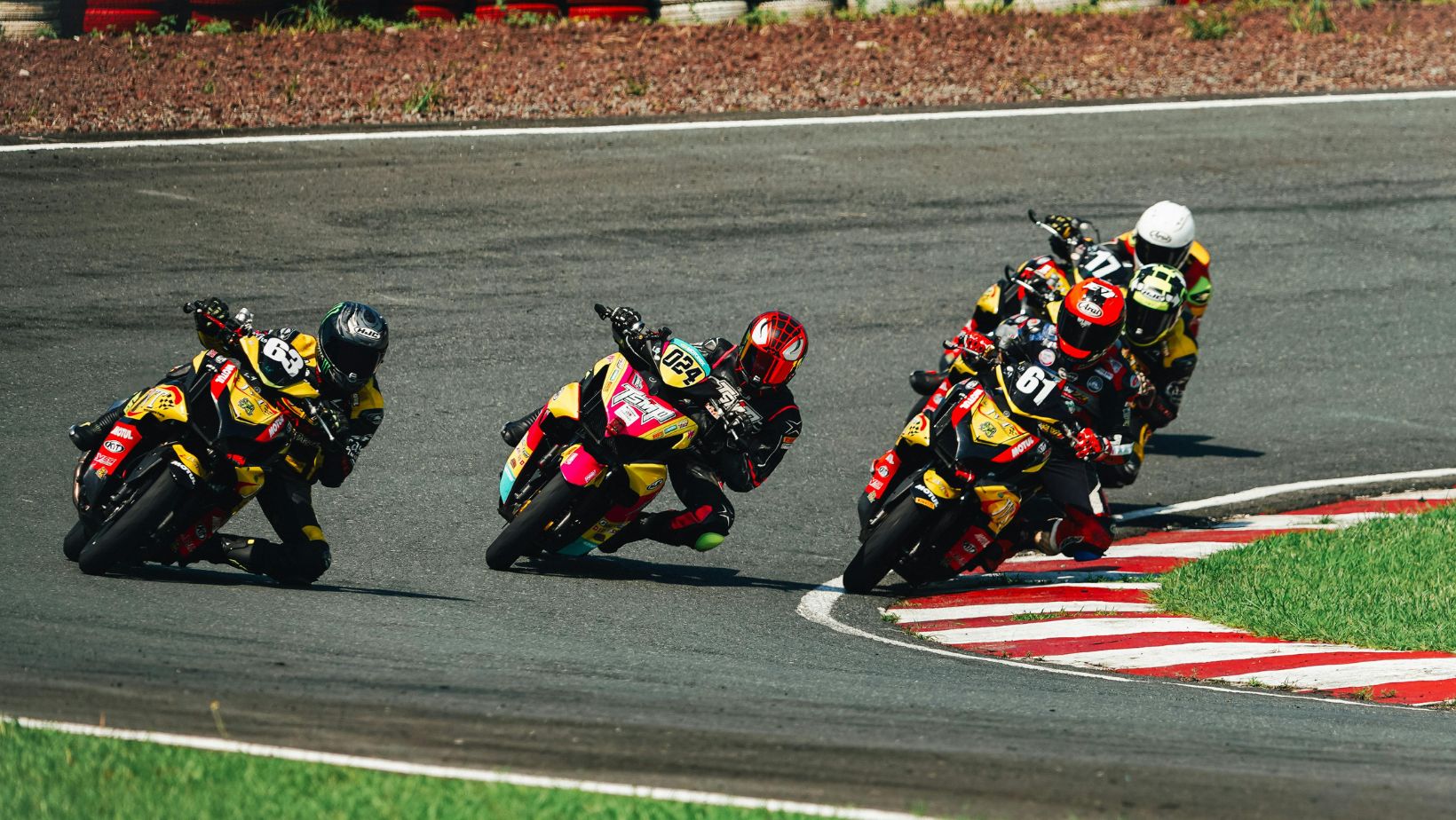
Here are the cues that most often signal a swing is coming:
- Safety car or full-course caution timing: A neutralization can turn a slow stop into a cheap stop, or trap a driver who just pitted. The key is who had already committed to a pit window.
- Weather transitions: Be it a temperature drop or a sudden light rain, they can flip tire performance in minutes. Watch for sudden pace convergence across cars that were previously separated.
- Traffic creation: When leaders catch backmarkers or mid-pack trains form, pit timing becomes a traffic management problem. A driver can “win” time without going faster by exiting into clean air.
- Undercut and overcut signals: If a car pits early and immediately posts a much quicker lap, the undercut is live. If a car stays out and keeps pace on older tires, the overcut is credible.
- Energy or fuel management phases: In series with hybrid systems or strict fuel targets, drivers can look slow while building the ability to attack later. The trick is noticing when the “saving” phase ends.
Each cue works because it changes the value of time. When time becomes cheaper or more expensive, the best plan changes with it. That’s why pattern-spotting is less about prediction and more about recognizing when the rules of the moment have shifted.
Keeping It Grounded: Probability Thinking Without Turning Sport Into Sales
Motorsport is a sport of uncertainty, and that uncertainty is why it’s compelling. A smart way to engage with it is to use probability thinking as a fan tool: assign rough likelihoods in your head, then update them when new information arrives. If a driver’s tire wear looks unusually strong, your “chance to win” estimate moves. If a caution arrives at the wrong time, it moves again.
That mental model is useful beyond any single behaviour. It helps you avoid the most common viewing trap: overreacting to one lap, one radio message, or one highlight. The best pattern-spotters are calm because they are always working with ranges, not certainties.
Know the lines too. Gambling oversight in Canada lives province by province, and rules shift at the border. If the conversation turns to betting, keep it grounded: it’s about rules and protection, not just another layer of game-day buzz.
In dry terms, the goal is to keep motorsport as motorsport: a strategy game played at extreme speed. The moment you start reading it that way, you will notice that the most dramatic “surprises” are often the predictable result of a few repeating patterns.
What To Practice On Your Next Race Weekend
If you want a simple routine, pick one driver or team and track only three things for them: stint length, relative pace trend, and where they rejoin after stops. Do that for one weekend and you will understand more than you would from ten highlight reels.
Then expand to a second driver on an opposite strategy. The contrast is where the learning happens, because you will see how the same track conditions reward different choices. Over time, you will start spotting the swing before the broadcast calls it.
That is the quiet reward of motorsport fandom. The sport looks faster when you stop chasing every moment and start reading the structure underneath.


