
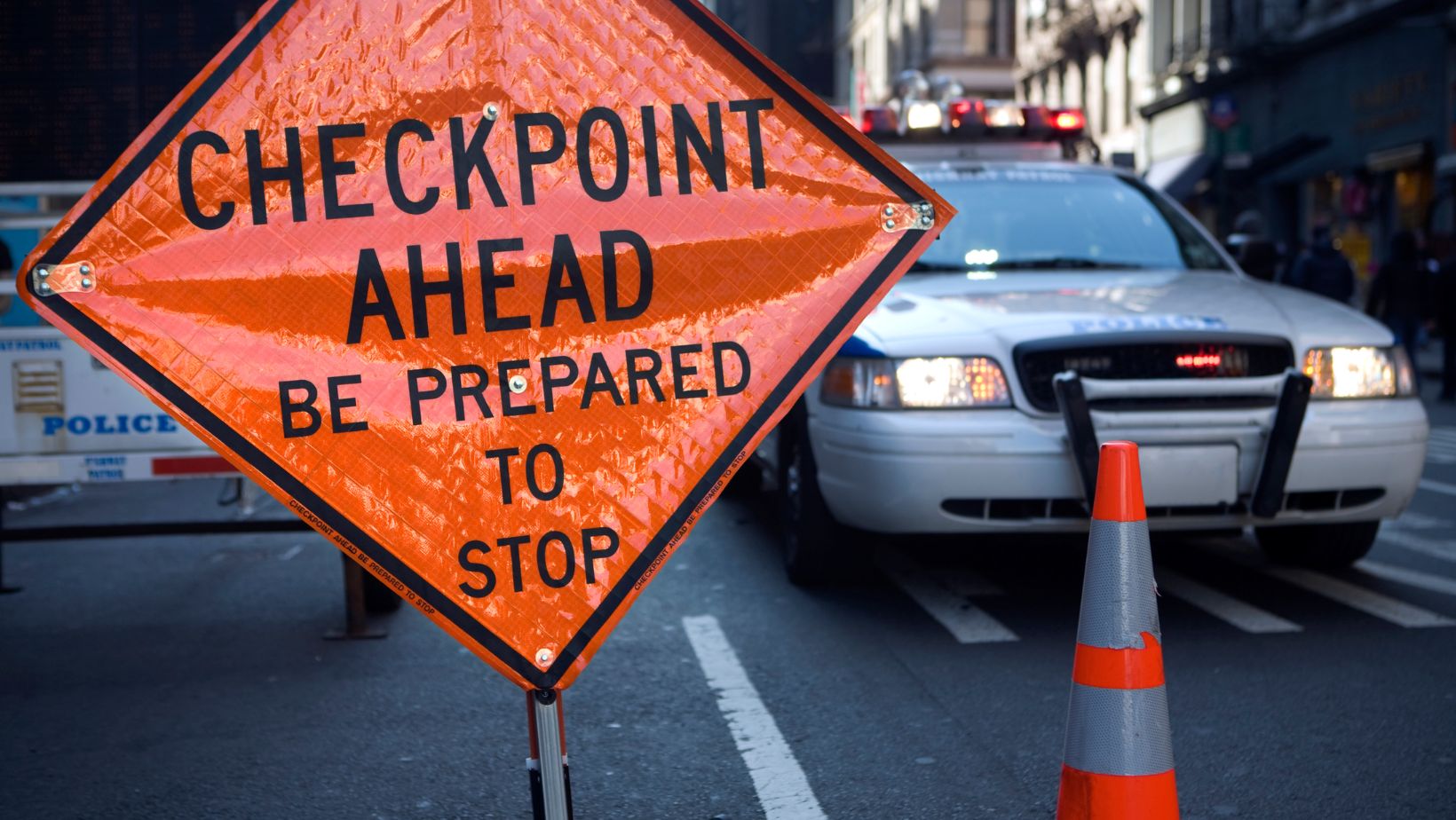
Motorcyclists deal with road conditions and risks that drivers in cars never have to think about, and that difference becomes even more noticeable when approaching a DUI checkpoint. Riding up on a bike means you’re fully visible, easier for officers to observe, and more vulnerable to uneven pavement or sudden stops. Many riders feel singled out or exposed in these moments, which naturally leads to questions about how the law treats motorcycle riders at checkpoints. Are these stops legal? Do officers have limits when interacting with motorcyclists? And what rights do you keep when you’re the one in the saddle?
These questions matter not only for safety, but also for understanding how law enforcement must follow constitutional rules during every checkpoint encounter.
The Legal Foundation of DUI Checkpoints
DUI checkpoints sit in an unusual corner of constitutional law. Under the Fourth Amendment, officers normally need reasonable suspicion to pull you over. A checkpoint allows stops without that standard, which is why they’ve been challenged repeatedly in court.
Why DUI Checkpoints Are Allowed
In 1990, the U.S. Supreme Court ruled that DUI checkpoints are constitutional as long as officers follow strict procedures that keep the stop brief and minimally intrusive. The Court decided that the public safety interest of preventing impaired driving outweighs the limited intrusion on individual drivers.
Because of that ruling, most states allow sobriety checkpoints, while a few prohibit them under state law. Motorcyclists are treated the same as any other driver. If a checkpoint is legal, it applies to everyone on the road.
Do Motorcyclists Have to Stop?
Yes. If officers direct you into the checkpoint lane, you are legally required to stop. The law doesn’t make exceptions for motorcycles.
If you want to understand the duty to stop at a DUI checkpoint in more detail, this guide provides a clear explanation.
Can You Legally Avoid a Checkpoint?
You can avoid a checkpoint as long as you do so safely and without breaking traffic laws. Officers cannot stop you simply for turning away. They can stop you if your turn is illegal or unsafe.
Riders should be especially aware of this, since sudden turns or unstable movements on a motorcycle are easier for officers to spot.
Constitutional Limits on Checkpoint Stops
Police must follow specific rules to keep DUI checkpoints lawful. These rules limit how officers conduct the stop and protect your rights as a motorist.
Neutral, Pre-Approved Plan
Officers must follow a predetermined pattern when selecting vehicles. They cannot choose who to stop based on personal discretion. This prevents profiling.
Minimal Duration
A checkpoint stop must be brief unless the officer notices signs of impairment. Riders are often waved through faster because officers can see you clearly without needing you to roll down a window.
Clear Public Safety Purpose
The checkpoint must focus on identifying impaired drivers. Officers cannot use it as a general search for unrelated violations.
Advance Notice and Visibility
Most states require officers to provide public notice and clearly mark the area with cones, signs, and uniforms. Sudden, unmarked roadblocks are not constitutional.
No Unnecessary Intrusion
Officers may ask simple questions, observe your behavior, and request your license and registration. They cannot search your motorcycle or personal belongings without probable cause or consent.
How Checkpoints Differ for Motorcyclists
While the legal standards apply equally, the experience of going through a checkpoint on a motorcycle is different.
Greater Officer Visibility
Because you’re exposed on a motorcycle, officers can easily observe your balance, coordination, facial expressions, and hand movements. This often makes the interaction shorter, but it also means small signs of nervousness may appear more noticeable.
Balance and Safety Considerations
Motorcycles require stable footing. If the checkpoint area has uneven pavement, loose gravel, or a steep incline, you can politely request a safer spot to stop.
Helmet and Gear Adjustments
Sometimes clear communication requires lifting a visor or removing an earbud. Always make these movements slowly so officers can see what you’re doing.
What Officers Look For at a Checkpoint
During a typical stop, officers watch for:
- Odor of alcohol
- Slurred or slow speech
- Difficulty balancing the motorcycle
- Problems retrieving documents
- Delayed reactions
- Visible open containers
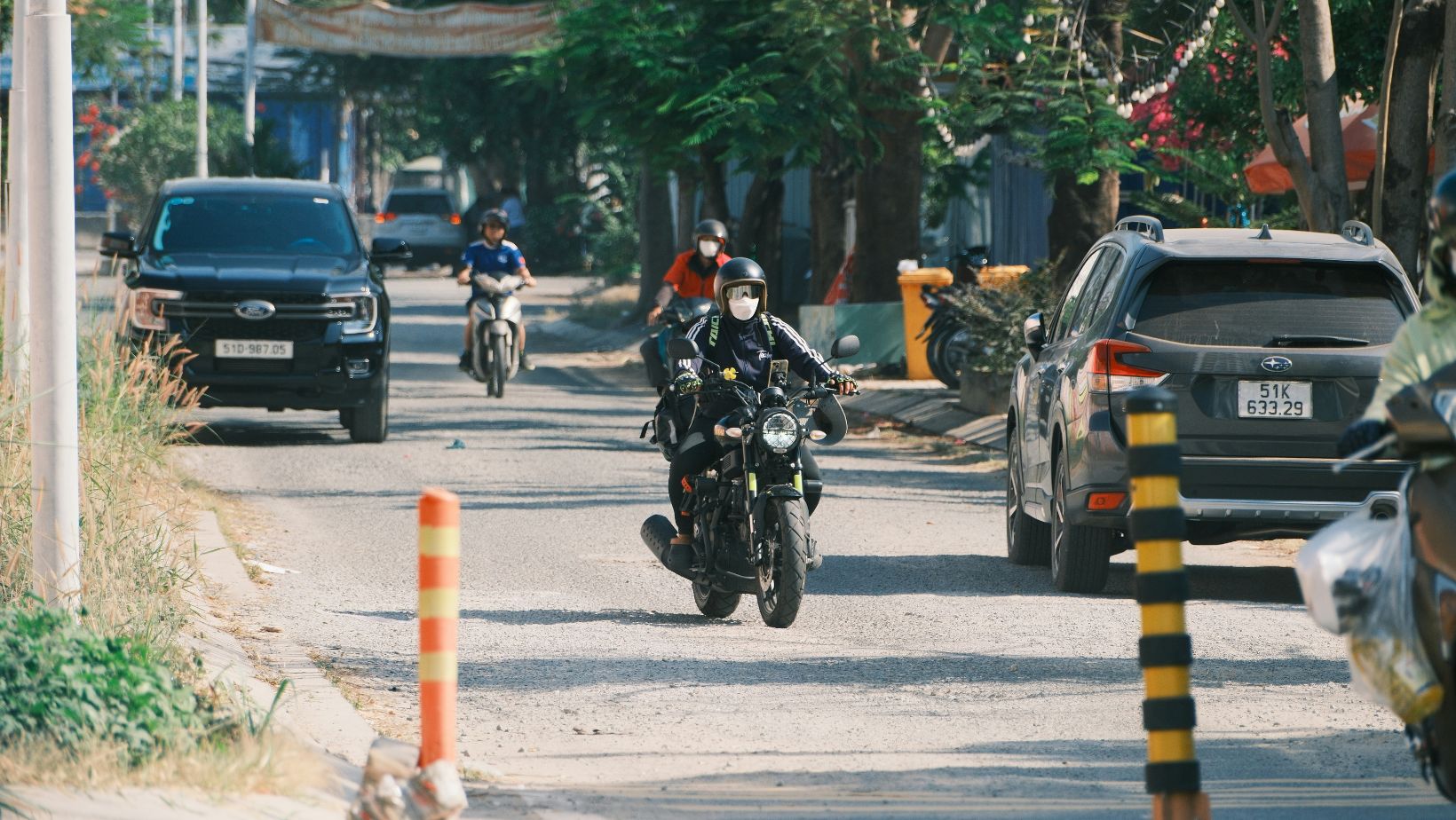
If none of these signs are present, riders are usually cleared within seconds.
What Happens If Officers Suspect Impairment
If an officer sees signs of impairment, they can direct you to a secondary screening area. There, you may be asked to step off the motorcycle, complete field sobriety tests, or provide a breath sample. Officers should choose a level, safe spot before asking a rider to dismount.
If the situation leads to an arrest, professional legal help becomes important. Many riders in Minnesota turn to a trusted Minneapolis DWI lawyer to understand their rights and possible defenses.
Your Rights at a DUI Checkpoint
Knowing your rights helps keep the interaction focused and predictable.
You Must Stop When Directed
Ignoring officers or attempting to ride through a checkpoint can result in immediate charges.
You Don’t Have to Answer Every Question
Beyond providing identification, you are not required to give detailed answers.
You Can Decline a Search
Police cannot search your bags, compartments, or person without consent or probable cause.
You Can Decline Field Sobriety Tests in Many States
Laws vary, but many states allow refusal of roadside tests. Chemical test refusal, however, often carries separate penalties.
Practical Tips for Motorcyclists
A calm, deliberate approach keeps the stop smooth:
Keep your hands visible on the handlebars while stopping.
Let the officer know before reaching for your documents.
Store your license and registration in an accessible pocket or tank bag.
Move slowly when adjusting gear.
Stay steady and balanced as you bring the bike to a stop.
These small steps help prevent confusion and usually shorten the interaction.


