
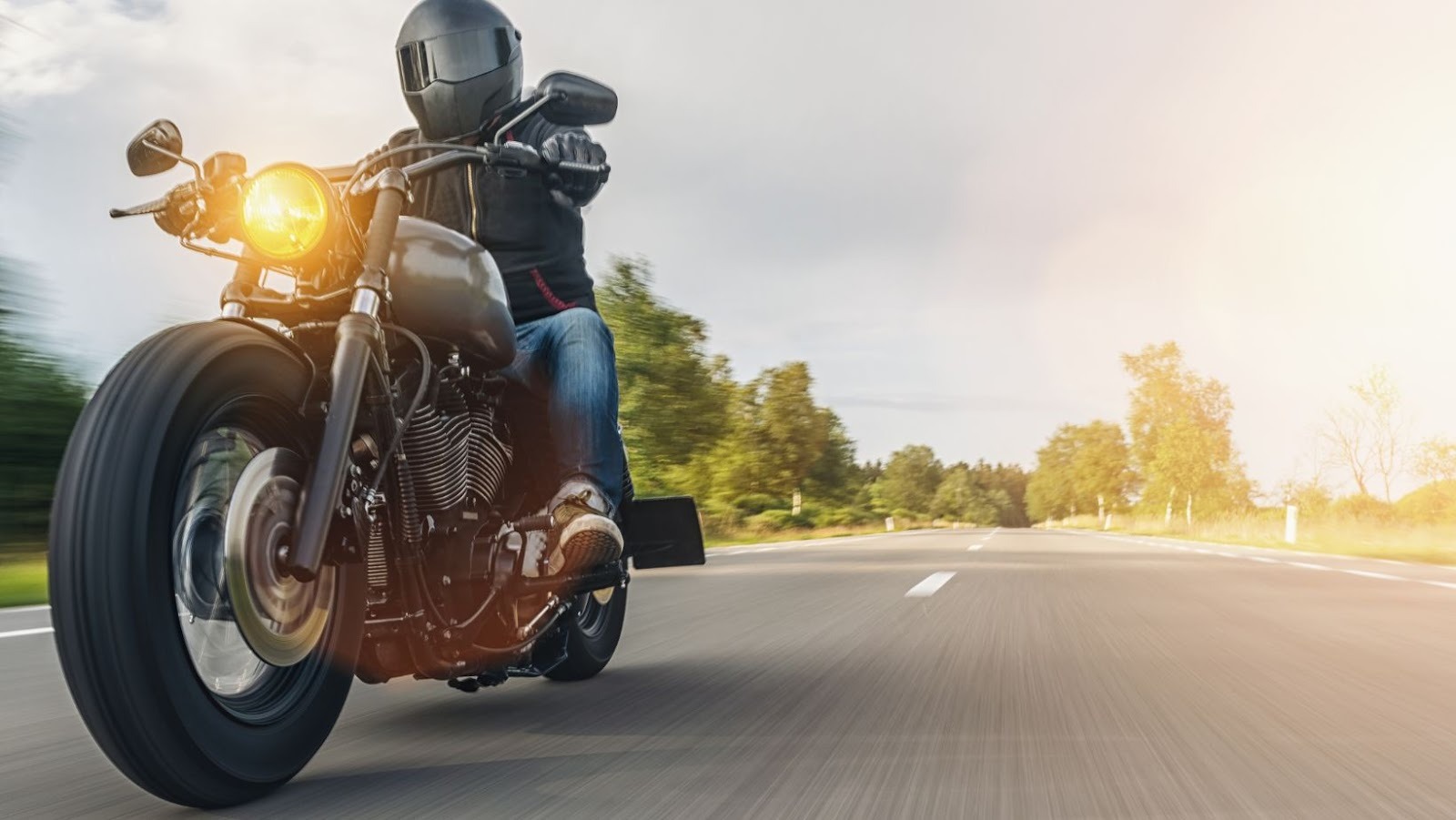
For riders, memory is survival. Every near miss teaches something, every sharp curve leaves a lesson that pavement enforces brutally. Not everyone listens to what the road is trying to say. Most riders learn through close calls and lucky escapes, collecting small moments of terror that should accumulate into wisdom but sometimes just accumulate into scars. The best riders aren’t the fearless ones. They’re the ones who took the road seriously before the road had to prove why.
Experience builds muscle memory in ways that classroom instruction never can. You learn the weight of your bike through dozens of emergency stops. You learn how much grip you actually have by finding the edge and backing off. You learn what your body can handle through failures at lower speeds before you test them where failure becomes permanent. This learning process happens fastest to the riders who treat each ride as information gathering rather than entertainment delivery.
When riders dismiss motorcycle safety tips in San Diego, they’re usually not dismissing practical advice. They’re dismissing the idea that their specific situation requires preparation and caution. That’s the thinking that separates riders who stay whole from riders who collect scars like merit badges. The road teaches its lessons whether you’re ready or not, and the tuition gets paid in regret, pain, or worse.
The Psychology of Overconfidence
The most dangerous intersection in San Diego isn’t on any map. It exists in the mind of every experienced rider, right at the point where confidence starts feeling like invulnerability. You’ve taken the same curve fifty times. You know exactly where the gravel sits. You know the visibility, the angle, the right speed. By the fifty-first time, your brain stops treating it as a hazard and starts treating it as routine. That’s when the road changes everything.
Familiarity breeds the specific kind of blindness that kills riders. The local route becomes autopilot, which means your brain stops predicting. You stop seeing the car that might pull out because it’s never pulled out before. You stop adjusting for weather because you rode this street in rain last week. You assume today is yesterday, and the road punishes assumptions with a brutality that’s hard to describe without having experienced it. The riders who know their local streets best are sometimes the ones most likely to crash on them.
This overconfidence compounds when a rider has been lucky. Luck feels like skill until luck runs out. A rider might have been speeding through a neighborhood for months without consequences, so speeding becomes normal. They’ve done risky lane changes without incident, so risky becomes neutral. They’ve taken curves faster than advisable repeatedly, so pushing the edge feels like just another ride. Every accident started with someone who thought this time would be like all the other times.
Reading the Road, Not Just Riding It
The street tells stories if you know how to read it. Pavement color changes indicate where water sits, where traction disappears. Dark patches in the sun are often gravel or debris that a car driver might barely notice but that can send a motorcycle sideways. Cracks in asphalt tell you where the road is settling and where you might catch an edge. The road is always communicating. Most riders are just too busy thinking about their destination to listen.
Surface shifts require constant tiny adjustments that separate good riders from ones who panic. When your front tire hits a transition from clean asphalt to rougher concrete, your instinct wants to overreact. The trained response is to stay smooth, trust your tire, and make minimal corrections. This requires reading the surface far enough ahead to anticipate rather than react. Blind corners demand the same predictive skill. You’ve never seen what’s around the corner, but the road signs, the asphalt wear pattern, and the street itself usually telegraph what’s coming if you know how to interpret it.
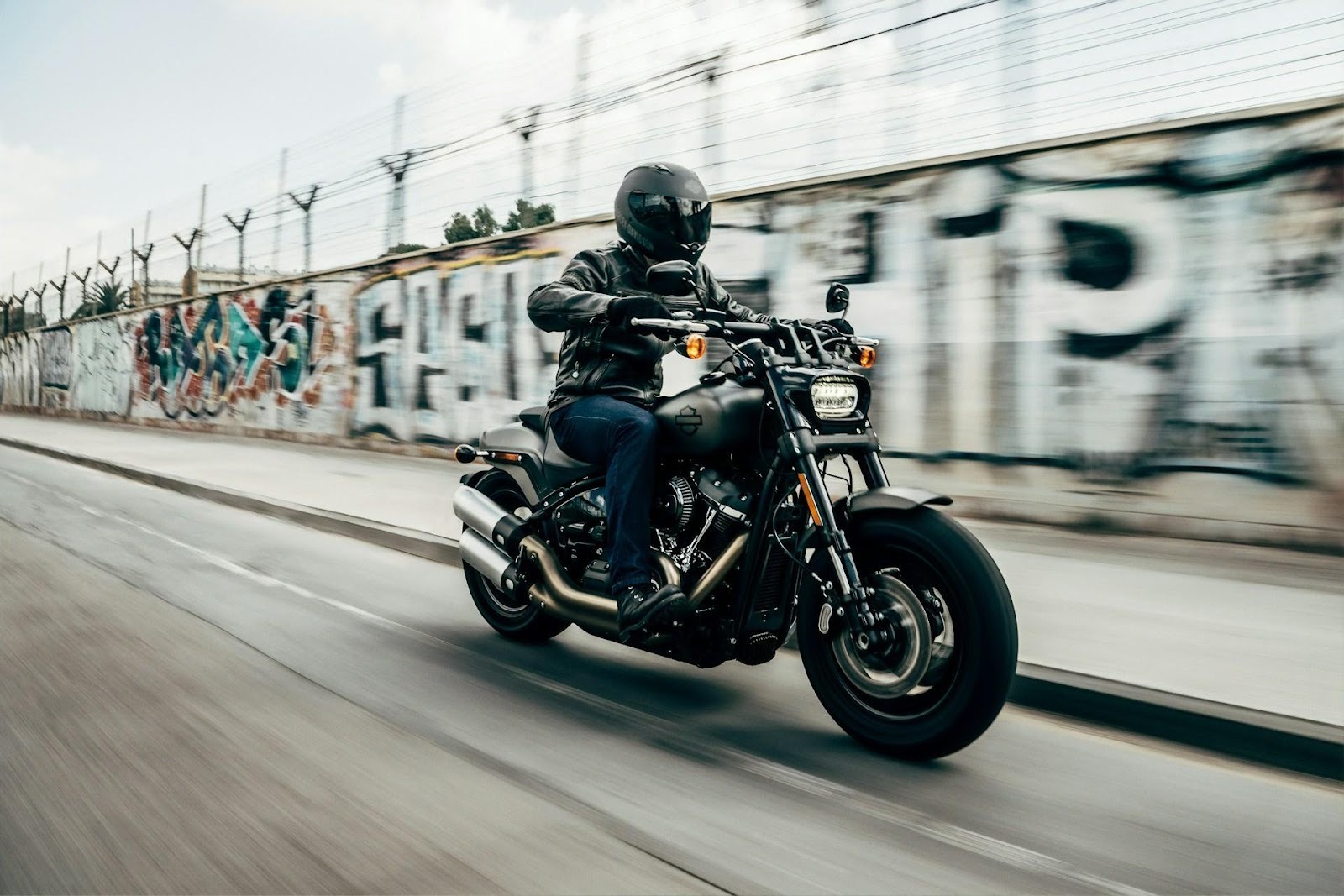
Situational awareness on a motorcycle isn’t just about watching cars. It’s about understanding the entire ecosystem around you. Where are the pedestrians likely to move? Which parked cars have brake lights that might suddenly illuminate? What’s the wind doing to your bike’s line? Are you riding in someone’s blind spot or ahead of where their peripheral vision reaches? Every element requires constant assessment, but it stops feeling like effort after you’ve built the habit. The riders who survive crashes are the ones who developed this awareness before they needed it.
The Gear That Buys Time
A helmet isn’t a statement or a requirement, it’s the only thing between your skull and pavement at thirty miles per hour. Most riders know this intellectually but don’t really believe it until they’ve slid down asphalt. Helmets work by spreading the impact force across a larger area and absorbing energy through foam that compresses. That compression is what keeps your brain from getting knocked around inside your skull. A good helmet might feel hot in San Diego traffic, but wearing a bad helmet or no helmet at all feels a lot worse in the hospital.
Gloves do something that sounds minor but proves critical in crashes. Your instinct when you’re sliding is to put your hands out to stop yourself. Pavement wins that fight with skin immediately. Gloves let your hands slide instead of shred. The friction between leather and asphalt is survivable. The friction between flesh and asphalt isn’t. Riders who wear gloves consistently tend to have usable hands after crashes. Riders who don’t tend to have hands that don’t work right anymore. This isn’t theory, it’s pattern recognition from emergency rooms across San Diego.
Armor on your joints and spine does exactly what it sounds like. It protects the parts of your body that hurt the most to break. Wrists, elbows, shoulders, knees, hips. These joints break first and heal worst when they slide against pavement. Armor doesn’t make you invincible, but it turns a crash that might have meant surgery and months of rehab into a crash that means soreness and stories. Every piece of gear buys seconds of protection, and in a collision, seconds are the only resource that matters.
Conclusion
The road has perfect memory. Every mistake gets catalogued in the concrete and communicated to the next rider who makes the same one. The only real question is whether you’ll learn from observation or whether you’ll need the pavement to teach you personally. Smart riders study other people’s crashes. They watch videos, read reports, and internalize lessons written in someone else’s injury. That’s how experience becomes wisdom without becoming a scar.
San Diego’s streets don’t care about how many rides you’ve completed. They don’t recognize expertise or reward consistency. They’re indifferent to your skill level and your intentions. What they do respond to is respect, preparation, and the kind of attention that never gets complacent. The riders who keep all their limbs intact are the ones who treated every ride like it mattered, because every ride does.
Your motorcycle is fast, which is thrilling right up until speed becomes the reason you can’t recover. Your tires grip amazingly well, until they don’t. Your reflexes are quick, until they’re not quick enough. The street doesn’t forgive mistakes because it doesn’t need to forgive anything. It just teaches the same lesson over and over, and the riders who stay safe are simply the ones who listened early enough to avoid being taught the hard way.


